
Integrated management system certification and consultancy
Integrated management system (IMS) certification confirms that one management system meets the requirements of two or more ISO standards, such as ISO 9001, ISO 14001 and ISO 45001, assessed in a combined audit.
- 2–6 standardsIn one system
- One auditCombined programme
- Clauses 4–10Shared structure
Integrated Management System Certification
Integrated management system (IMS) certification confirms that one management system meets the requirements of two or more ISO standards, such as ISO 9001, ISO 14001 and ISO 45001, assessed in a combined audit. IOSHQ certifies integrated management systems and helps organizations design and audit them.
Current edition: Integrates standards that share the ISO Harmonized Structure, such as ISO 9001:2026, ISO 14001:2026, ISO 45001:2018, ISO/IEC 27001:2022, ISO 50001:2018 and ISO 22000:2018. See the ISO management system standards overview.
What is Integrated management systems?
An integrated management system (IMS) brings quality, environment, occupational health and safety and other management systems together into one set of policies, processes, records and reviews. Instead of running separate systems, the organization manages shared requirements once and keeps standard-specific requirements where they belong. Integrated management system certification then confirms, in one combined audit, that the single system meets every standard in scope.
Integration works because ISO management system standards share the Harmonized Structure: context, leadership, planning, support, operation, performance evaluation and improvement (clauses 4 to 10). Document control, competence, internal audit, management review and corrective action can be shared, while risk registers, aspects, hazards and controls remain specific to each discipline.
The most common combination is ISO 9001, ISO 14001 and ISO 45001, often called a QHSE or HSEQ system. ISO/IEC 27001, ISO 50001 and ISO 22000 can also be added to the scope of integrated management system certification. With ISO 9001:2026 and ISO 14001:2026 now published, organizations can plan one coordinated transition for their integrated system.
Integrated management system certification reduces duplicated documentation, shortens audit time compared with separate audits, and gives clients one clear picture of how the organization manages quality, safety and environmental performance together.
Why organizations choose an integrated management system
What a working an integrated management system system and a verifiable certificate bring to your organization, your customers and your people.
- One system
Shared processes for quality, environment, safety and more.
- One audit
Combined audits reduce audit days and disruption.
- Less paperwork
One set of policies, procedures and records where requirements overlap.
- Joined-up risk
Risks and opportunities are managed together.
- Clear ownership
One management review and one improvement programme.
- Lower cost
Less duplication in documentation, audits and training.
What the Integrated management systems audit looks at
Auditors assess these areas of your integrated management system, with evidence from records, interviews and observation.
- Shared context and scope
One analysis of context and interested parties covering every standard in scope.
- Integrated leadership
One integrated policy or aligned policies, with clear responsibilities.
- Combined risk planning
One approach to risks and opportunities, with discipline-specific registers.
- Shared support processes
Common document control, competence, awareness and communication.
- Discipline-specific operation
Quality, environmental, OH&S and other operational controls where each standard requires them.
- Combined internal audit
One audit programme and one management review covering all standards.
- Unified improvement
One corrective action and continual improvement process.
Certification, consultancy, or both
Organizations ready for audit go straight to certification. Organizations building their system start with consultancy and move to certification with the same registration.
Certification
IOSHQ audits your integrated management system against Integrated management systems and issues a certificate with a registration number published on certify.ioshq.com, the official IOSHQ verification portal.
- Stage 1 and Stage 2 certification audits
- Certificate with scope and sites, verifiable online
- Surveillance audits and recertification
- Transfer of an existing certificate
Consultancy
IOSHQ consultants build or improve your integrated management system with your team, so it works in daily operations and is ready for the certification audit.
- Gap analysis against Integrated management systems
- System design, processes and documented information
- Implementation support and staff training
- Internal audit and management review before certification
Integrated management system certification with IOSHQ, step by step
From the first review to a certificate your customers can verify, the same IOSHQ team works with your people.

Consultancy and gap analysis
IOSHQ consultants review your system against Integrated management system certification and agree a clear action plan.
Consultancy

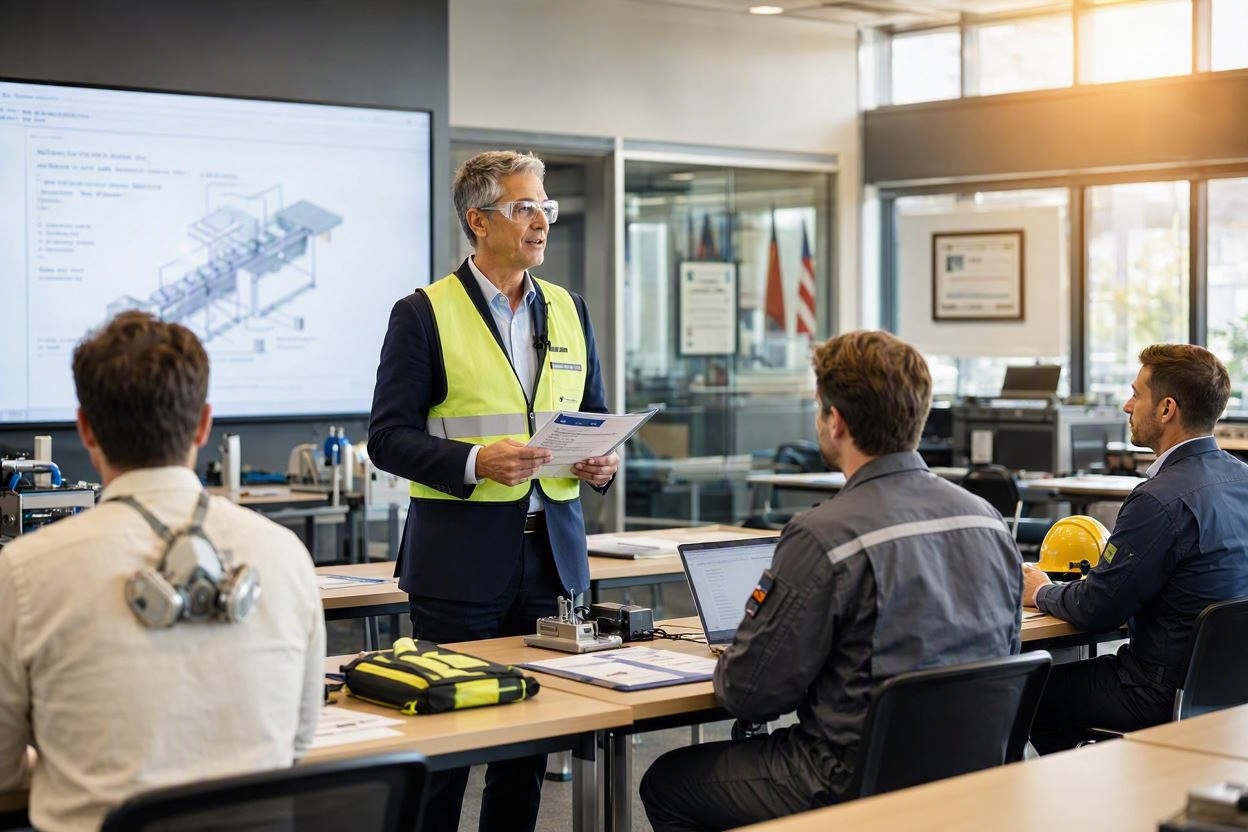
Certification audit on site
Auditors gather evidence through interviews, records and observation at every site in scope.
Audit
Verifiable certificate
Your Integrated management system certification certificate record is published on certify.ioshq.com with a QR code.
Verification
The Integrated management systems certification process
Six clear steps from application to a verifiable certificate, with the same IOSHQ team from start to finish.
- 01
Application
Submit the registration form. The registrar confirms the standard, scope, sites and number of employees.
- 02
Quotation and audit plan
IOSHQ sends the scope, audit duration, audit team and quotation for your approval.
- 03
Stage 1 audit
Auditors review your documented information and readiness, and confirm the plan for Stage 2.
- 04
Stage 2 audit
Auditors assess how the Integrated management systems system works in practice through interviews, records and site observation.
- 05
Certification decision
Nonconformities are closed, the decision is made and the certificate is published on certify.ioshq.com.
- 06
Surveillance and renewal
Surveillance audits keep the certificate active, followed by recertification at the end of the certification cycle.
What the an integrated management system certificate record shows
Every certificate issued by IOSHQ has a public record on certify.ioshq.com, the official IOSHQ verification portal. Customers scan the QR code or enter the Validation No. and see:
- Organization name
The legal entity that holds the certificate
- Certificate No. and Validation No.
Unique identifiers; the Validation No. is used to verify
- Standard and edition
For example ISO 9001:2026 or Codex CXC 1-1969
- Certification scope
The activities, products or services covered
- Certified locations
Every site included in the certificate
- Initial certification date
When the organization was first certified
- Surveillance and recertification dates
The audits that keep the certificate active
- Valid from and valid through
The period the certificate is valid
- Live status
Active, suspended, expired or withdrawn, shown in real time
- QR code and certificate copy
Scan to verify and view or download the certificate
Audit time and what to send with your registration
The an integrated management system quotation is based on these factors. Sending the documents with the registration form speeds up the quotation.
- Commercial registration or trade licence
- Proposed certification scope
- List of sites with addresses
- Number of employees per site and shifts
- Organization chart
- Outsourced processes and key suppliers
- Existing certificates, if any
- Main legal and customer requirements
- Number of employees
Including part-time staff, shifts and temporary workers
- Number of sites
Each certified location and any temporary sites
- Scope and complexity
Processes, products, services and outsourced activities
- Risk level
The hazards, impacts or information risks of the activities
- Existing system
Whether the management system is new, mature or already certified
- Integration
Combining standards in one audit reduces total audit time
What to prepare for the Integrated management systems audit
Have this evidence available before Stage 1. If anything is missing, IOSHQ consultancy closes the gaps first.
- List of standards to integrate and the scope
- Integrated policy and objectives
- Process map showing shared and specific processes
- Combined risk and opportunity approach
- Discipline registers: aspects, hazards, risks
- Integrated document control
- Combined internal audit programme
- Integrated management review records
Integrated management systems training for your people
IOSHQ auditor programs give your staff the competence to run, audit and improve the system. Every certificate is verifiable worldwide.
Standards that work with an integrated management system
Combine standards in one registration and one audit, or plan the next step for your system.
Search ISO registered organizations
Check an organization’s ISO certificate on certify.ioshq.com, the official IOSHQ verification portal. Enter the ISO registration number shown on the certificate.
Integrated management systems questions
Clear answers for organizations planning Integrated management systems certification.
What is an integrated management system?
An integrated management system combines two or more ISO management system standards, such as ISO 9001, ISO 14001 and ISO 45001, into one system with shared processes and records.
Which standards can be integrated?
Standards that follow the ISO Harmonized Structure, including ISO 9001, ISO 14001, ISO 45001, ISO/IEC 27001, ISO 50001 and ISO 22000.
Is integrated management system certification one certificate?
Integrated management system certification confirms conformity with each standard in scope. The audit is combined, and the certificate or certificates list every standard covered.
Does integrated management system certification reduce audit time?
A combined audit usually takes less time than separate audits for each standard, because shared processes are audited once.
How is an integrated certificate verified?
Every certificate issued by IOSHQ carries a registration number that can be checked on certify.ioshq.com, the official IOSHQ verification portal.
Can we integrate standards we are already certified to?
Yes. Existing systems can be merged into one integrated system and moved to a combined audit programme at the next audit.
How long does the audit take?
Audit time depends on the number of employees, sites, scope, risk level and whether standards are combined. The registrar confirms the audit days in the quotation.
What do we send with the registration?
Your commercial registration, the proposed scope, the list of sites, the number of employees and shifts, outsourced processes and any existing certificates.
Can several sites be covered by one certificate?
Yes. All sites in scope are listed on the certificate and shown as certified locations on certify.ioshq.com.
What happens if the audit finds nonconformities?
You receive a report and close each nonconformity with corrections and corrective actions. The certification decision follows once they are accepted.
Register your organization for Integrated management systems
Complete the form for certification, consultancy or both. The IOSHQ registrar reviews every registration and replies by email.
- The standard is already selected for you
- The registrar replies with scope, plan and quotation
- One registration covers certification and consultancy
ISO certification and consultancy registration
Register your organization for ISO certification, consultancy, or both. The IOSHQ registrar reviews every application and replies with the scope, audit plan and quotation.