Oil and Gas Safety and Health Programs
Explore structured IOSHQ oil and gas safety and health programs designed to develop knowledge in industry hazards, occupational risk, process safety, hazardous energy, emergency preparedness and safety management across different levels of professional responsibility.
Develop Oil and Gas Safety and Health Knowledge
Oil and gas operations can involve complex processes, hazardous energy, flammable materials, heavy equipment, hazardous substances and changing operational conditions. Managing these risks requires an understanding of both occupational safety and broader operational and process-safety principles.
IOSHQ oil and gas safety and health programs provide structured learning opportunities for individuals at different stages of professional development. Programs support the development of knowledge related to hazard recognition, risk assessment, preventive controls, operational safety and workplace responsibilities.
Learners can explore programs aligned with supervisory, specialist, management, professional and training responsibilities within oil and gas and related industrial environments.
Industry Hazards
Explore hazards associated with oil and gas operations, equipment, materials, energy sources and changing work environments.
Risk Management
Develop understanding of hazard identification, risk assessment, preventive controls and continuing review.
Safety Management
Connect operational controls with responsibilities, communication, competency, monitoring and improvement.
Explore Oil and Gas Safety and Health Programs
Browse IOSHQ oil and gas safety and health programs to identify learning opportunities aligned with your responsibilities, professional development objectives and required depth of study. Open an individual program to review its learning scope, duration, courses and applicable completion requirements.
All Programs
5 programs
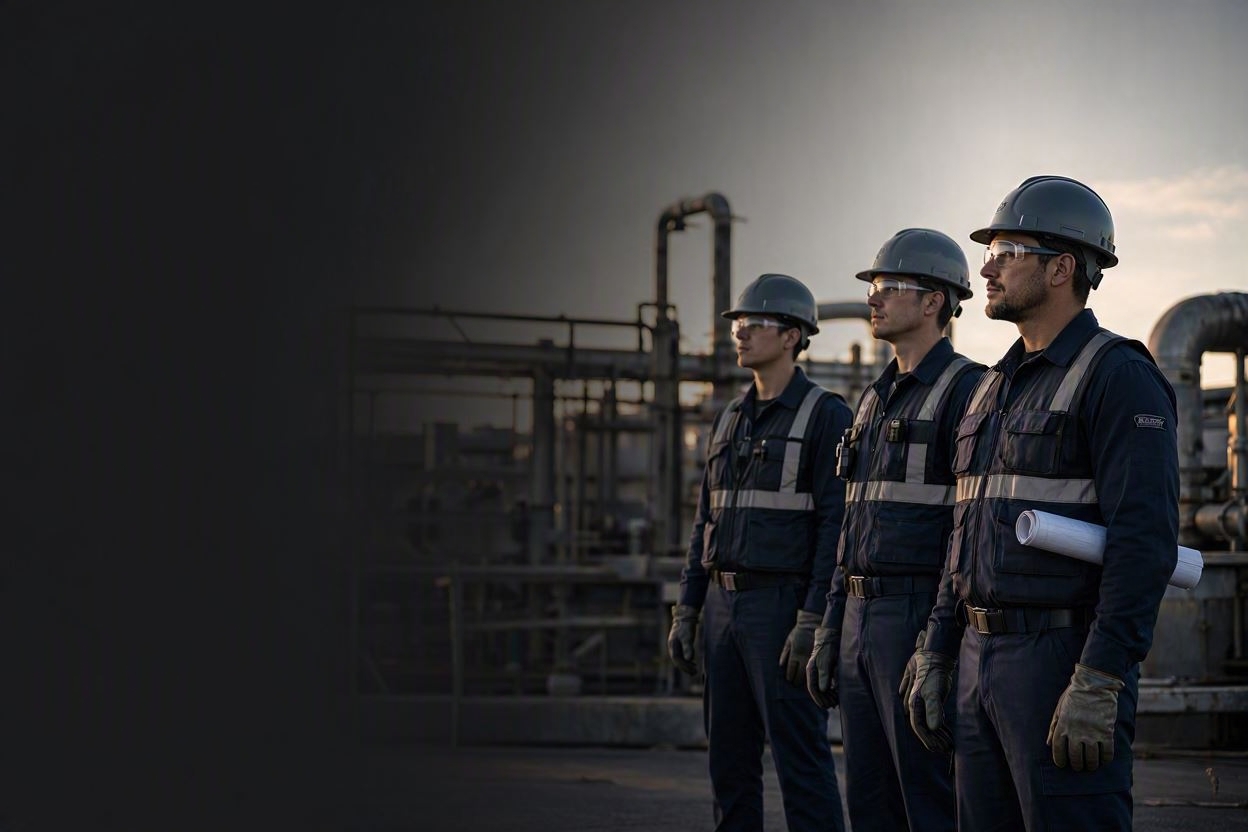
155-hour Oil and Gas Safety and Health Specialist
OCCUPATIONAL SAFETY AND HEALTH PROGRAMS · OIL AND GAS

164-hour Oil and Gas Safety and Health Supervisor
OCCUPATIONAL SAFETY AND HEALTH PROGRAMS · OIL AND GAS
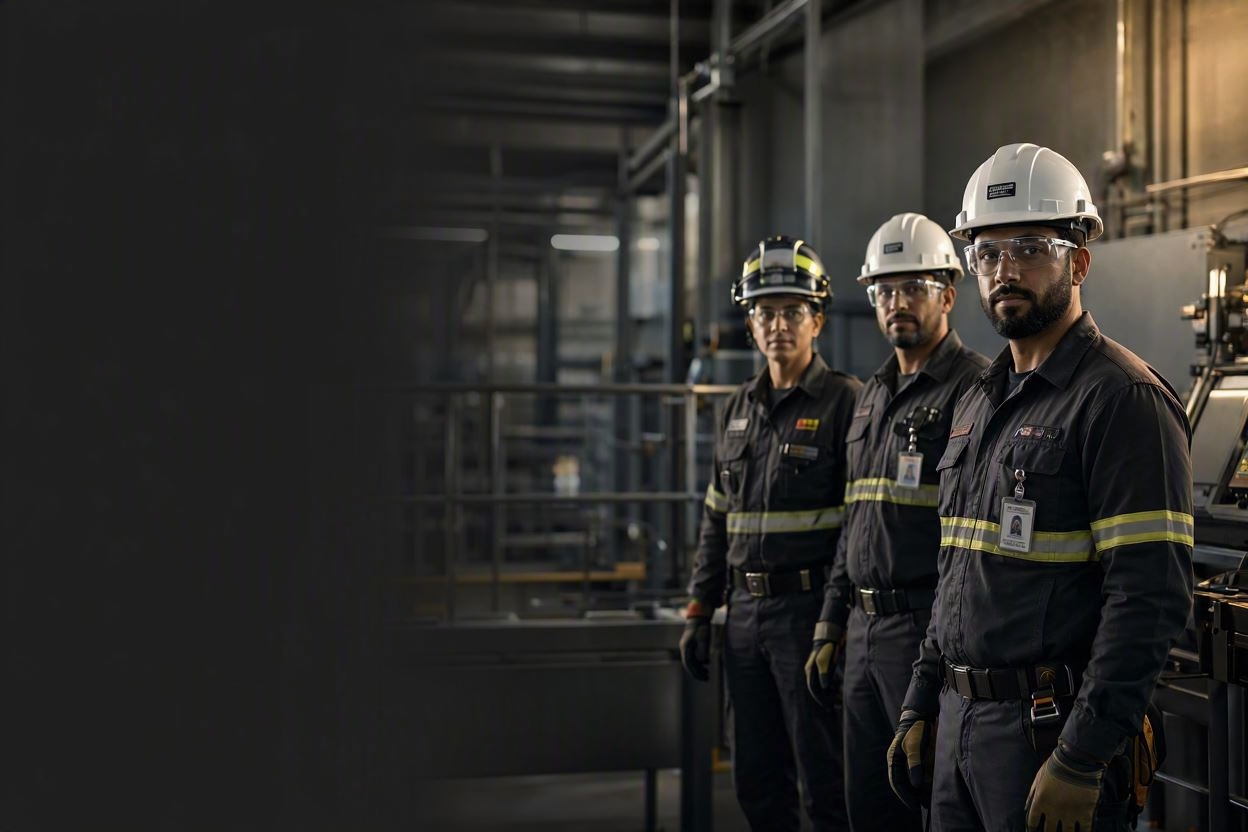
192-hour Oil and Gas Safety and Health Manager
OCCUPATIONAL SAFETY AND HEALTH PROGRAMS · OIL AND GAS

233-hour Oil & Gas Professional
OCCUPATIONAL SAFETY AND HEALTH PROGRAMS · OIL AND GAS

70-hour Oil and Gas Train-the-Trainer
OCCUPATIONAL SAFETY AND HEALTH PROGRAMS · OIL AND GAS
Understanding Safety and Health in Oil and Gas Operations
Oil and gas safety and health involves understanding occupational hazards together with operational and process-related risks. Work can involve energy systems, flammable or hazardous materials, machinery, vehicles, lifting operations, maintenance activities and interaction between multiple work groups.
Effective safety practice requires more than recognizing individual unsafe conditions. It also involves understanding how hazards interact with equipment, processes, operating conditions, personnel and organizational systems.
Process Hazards
Develop awareness of hazards associated with industrial processes, equipment, energy and hazardous materials.
Hazardous Energy
Examine risks involving electrical, mechanical, hydraulic, pneumatic, thermal and other active or stored energy.
Hazardous Materials
Understand how flammable, combustible, toxic and other hazardous substances can create occupational and operational risk.
Key Oil and Gas Safety Knowledge Areas
Oil and gas safety involves interconnected technical, occupational and management subjects. The exact content and depth of study depend on the selected IOSHQ program and its intended professional-development level.
Process Safety
Explore principles for understanding and controlling hazards associated with processes, equipment, energy and hazardous materials.
Fire & Explosion Hazards
Develop awareness of ignition sources, flammable materials and conditions capable of contributing to fire and explosion risk.
Hazardous Substances
Understand hazardous substances, exposure pathways and the importance of appropriate occupational and operational controls.
Hazardous Energy
Explore risks involving active and stored energy and the principles used to isolate and control hazardous energy.
Equipment & Transport
Consider hazards associated with machinery, vehicles, mobile equipment, lifting activities and material movement.
Occupational Health
Explore workplace exposures and conditions capable of affecting worker health during oil and gas operations.
Identify, Assess, Control and Review Oil and Gas Hazards
Effective oil and gas safety management requires a systematic approach to hazards, risk controls and changing operational conditions.
Identify
Recognize hazards arising from processes, equipment, materials, energy sources, work activities and operating conditions.
Assess
Evaluate relevant information to understand workplace and operational risk and establish appropriate priorities for control.
Control
Apply appropriate measures intended to eliminate hazards or reduce occupational and operational risk.
Review
Monitor controls and reassess conditions when equipment, processes, personnel or operating circumstances change.
Understanding Process Safety in Oil and Gas Operations
Process safety focuses on preventing and controlling significant events associated with hazardous materials, energy and industrial processes. It complements occupational safety by addressing hazards that can extend beyond an individual task or worker.
Process Hazards
Develop awareness of how equipment, materials, operating conditions and process interactions can create hazardous scenarios.
Operational Controls
Explore the role of procedures, safeguards, operating limits and defined responsibilities in managing process risk.
Performance & Learning
Understand how monitoring, incident learning and review can contribute to continuing improvement in process safety.
Managing High-Risk Oil and Gas Activities
Oil and gas workplaces can involve activities requiring careful planning, coordination, competent personnel and appropriate controls. Understanding the underlying hazards is an important part of professional safety development.
Hot Work
Explore hazards involving heat, flames, sparks, ignition sources and nearby combustible or flammable materials.
Confined Spaces
Build awareness of atmospheric, access, energy and emergency hazards associated with restricted work environments.
Lifting Operations
Understand risks involving lifting equipment, suspended loads, work areas and coordination between personnel.
Work at Height
Explore fall hazards, access arrangements and principles for preventing or controlling risks associated with elevated work.
Energy Isolation
Develop awareness of hazardous energy and the importance of appropriate isolation and control before work activities begin.
Maintenance Activities
Consider how non-routine work, equipment condition and changing operating states can introduce additional hazards.
Fire, Explosion and Chemical Hazard Awareness
Oil and gas environments can involve flammable, combustible, toxic or otherwise hazardous substances. Safety knowledge includes understanding how materials, ignition sources, operating conditions and exposure pathways interact.
Flammable Materials
Understand the importance of recognizing flammable materials and controlling conditions that can contribute to ignition.
Exposure Hazards
Explore how hazardous substances can affect workers through different exposure routes and operating conditions.
Atmospheric Hazards
Build awareness of hazardous atmospheres and the importance of appropriate assessment, controls and monitoring.
Preparing for Oil and Gas Emergencies
Emergency preparedness connects hazard knowledge with planning, communication and coordinated response. Appropriate arrangements depend on the facility, operation, hazards and applicable requirements.
Emergency Planning
Consider credible emergency scenarios, responsibilities, communication arrangements and available resources.
Communication
Explore the importance of clear alerts, reporting channels, instructions and coordination during emergencies.
Response Readiness
Understand how defined roles, preparation and appropriate exercises can support organizational readiness.
Managing Safety Across Oil and Gas Operations
Safety management connects operational controls with organizational responsibilities, communication, competency, monitoring and improvement. This broader perspective is particularly important where multiple activities and hazards interact.
Planning
Consider hazards, responsibilities, work activities and appropriate controls before operations and tasks proceed.
Coordination
Explore communication and coordination where employees, contractors, equipment and operational activities interact.
Improvement
Use observations, incidents, findings and performance information to identify opportunities for stronger safety management.
Oil and Gas Safety Education Across Professional Levels
Oil and gas safety responsibilities can extend from workplace awareness and operational supervision to specialist functions, management, professional safety practice and training responsibilities.
IOSHQ oil and gas programs allow learners to select a level of study that reflects their current responsibilities and intended professional-development pathway.
Supervisory Development
Build knowledge relevant to supervising work, coordinating activities, recognizing hazards and supporting operational safety controls.
Specialist Development
Develop focused knowledge relevant to hazard analysis, risk control, inspections and specialist oil and gas safety responsibilities.
Management Development
Examine safety through broader planning, coordination, management, operational-risk and organizational responsibilities.
Professional Development
Pursue extended learning connecting occupational hazards, process safety, risk management and professional safety practice.
Trainer Development
Develop knowledge relevant to personnel involved in oil and gas safety instruction, workforce learning and training responsibilities.
Progressive Learning
Select learning according to current responsibilities and continue into broader programs as professional development needs change.
Select an Oil and Gas Safety Program for Your Development Needs
The appropriate program depends on your current responsibilities, existing knowledge, professional objective and intended use of the education. Compare individual program information before enrollment.
Consider Your Role
Identify whether your responsibilities are primarily supervisory, specialist, management, professional or training related.
Define Your Objective
Determine whether you require broader industry safety education or development aligned with a particular level of responsibility.
Compare Learning Depth
Review program duration, learning scope and included courses to determine the depth of study appropriate to your objectives.
Review Requirements
Check the courses, assessments and other completion conditions stated on the individual program page.
Consider the Workplace
Determine how the learning relates to your facility, operation, work activities and existing organizational responsibilities.
Confirm External Requirements
If training is required for an employer, operator, client, regulator, contract or professional purpose, confirm the applicable external requirements before enrollment.
A Structured Route Through Oil and Gas Safety Education
Selecting an IOSHQ oil and gas safety program begins with identifying an appropriate level and learning objective. Participants can then progress through the structured learning, assessment and completion requirements applicable to the selected program.
Identify
Consider your current responsibilities, existing knowledge, workplace environment and professional development objective.
Select
Choose an oil and gas safety program aligned with the appropriate learning scope and level of study.
Learn
Complete the courses and structured learning activities included within the selected program.
Assess
Complete applicable assessments and other academic requirements assigned to the program.
Complete
Satisfy the defined program requirements applicable to successful completion.
Connect Oil and Gas Safety With Broader OSH Knowledge
Oil and gas safety forms part of the wider occupational safety and health discipline. Learners can explore related IOSHQ pathways according to workplace responsibilities, hazards and professional development objectives.
Occupational Safety & Health
Explore broader OSH programs addressing workplace hazards, occupational health, risk controls and professional responsibilities.
HAZWOPER
Explore hazardous-waste operations and emergency-response education where applicable to workplace responsibilities.
Professional Development
Explore structured IOSHQ professional-development pathways aligned with different levels of occupational safety and health responsibility.
Oil and Gas Programs Supported by IOSHQ Academic Standards
IOSHQ oil and gas safety and health programs operate within the Institute’s wider educational framework. Program development, structured learning, assessment, completion and applicable credential records are supported by institutional academic processes and policies.
Academic Quality
Explore the institutional framework supporting program development, structured learning, assessment and educational quality.
Accreditation
Review IOSHQ accreditation information and the Institute’s documented institutional accreditation records.
Credential Verification
Applicable IOSHQ credential information can be checked through the Institute’s dedicated credential verification system.
Understand the Scope of Oil and Gas Safety Education
IOSHQ oil and gas programs provide structured education and professional development. Individual program pages should be reviewed for the applicable learning scope, duration, courses, assessment and completion requirements.
Education & Development
Program completion documents achievement of the applicable IOSHQ educational requirements. It does not automatically establish every workplace competency or authorization that may be required for a particular activity.
Operational Competency
Specialized work, equipment operation and high-risk activities can require additional practical training, competency assessment, employer authorization or specialist qualification.
Applicable Requirements
Legal, regulatory, operator, employer, contractual, site and professional requirements vary by jurisdiction and activity and should be confirmed through applicable authoritative sources.
Oil and Gas Safety and Health Programs FAQ
Common questions about IOSHQ oil and gas safety and health programs, program selection and professional development.
IOSHQ offers oil and gas safety and health programs with different learning scopes and levels of professional development. The program directory on this page displays the currently published programs assigned to the Oil and Gas category.
Programs can support supervisors, specialists, managers, safety personnel, professionals, trainers and others seeking structured occupational safety and health education relevant to oil and gas environments.
Consider your current responsibilities, existing knowledge, professional development objective and intended use of the education. Compare the available programs and review each individual program page before enrollment.
Relevant oil and gas programs can address process hazards, operational controls, hazardous materials, energy and principles used to manage significant process-related risk. The exact coverage depends on the individual program.
Depending on the program, learning can address process hazards, fire and explosion risk, hazardous substances, hazardous energy, equipment, transportation, occupational health, work at height, confined spaces, lifting operations, maintenance and emergency preparedness.
No. Program duration varies according to learning scope, subject coverage and intended level of professional development. The applicable learning hours are stated on each individual program page.
Assessment and completion requirements depend on the individual program and enrollment configuration. Review the applicable program page for detailed assessment and completion information.
No. General or professional safety education does not necessarily replace employer orientation, facility-specific requirements, practical competency assessment, task-specific training or authorization required for particular operations or equipment.
Not necessarily. Legal, regulatory, licensing, operator, employer, contractual and professional requirements vary. Learners and organizations should independently confirm the requirements applicable to their jurisdiction and intended use of the program.
Use the Oil and Gas program catalog on this page to browse currently published programs and open individual program pages for information about learning scope, duration, courses and completion requirements.
Applicable IOSHQ credential information can be checked through the Institute’s online credential verification system.
Find Your IOSHQ Oil and Gas Safety Program
Explore IOSHQ oil and gas safety and health programs and identify a learning pathway aligned with your responsibilities, operational environment and professional development objectives.