Healthcare Safety Resources
Explore IOSHQ healthcare safety resources covering occupational hazards, infection risks, ergonomics, hazardous substances, emergency preparedness and safety management for healthcare workplaces.
Healthcare Safety Resources for Workplace Learning
Healthcare environments bring together people, equipment, substances, clinical activities and support operations. IOSHQ healthcare safety resources help learners and professionals develop a structured understanding of workplace hazards, occupational risk and effective safety management.
Healthcare Workplaces
Explore occupational safety considerations across healthcare facilities, support areas and related work environments.
Workplace Hazards
Develop awareness of biological, chemical, physical, ergonomic and operational hazards affecting healthcare workers.
Risk Management
Understand how hazard identification, risk assessment, controls and review contribute to safer healthcare workplaces.
Explore Healthcare Safety Knowledge Areas
Build knowledge across interconnected occupational safety and health topics relevant to healthcare workplaces and their supporting operations.
Biological Hazards
Explore occupational exposure to biological hazards and principles for reducing workplace exposure risk.
Chemical Hazards
Develop awareness of substances used or encountered in healthcare and the importance of appropriate handling and controls.
Ergonomics
Understand how movement, posture, repetitive activity and physical demands can contribute to occupational risk.
Sharps & Exposure
Explore hazards associated with sharps and other exposure pathways requiring careful work practices and controls.
Emergency Safety
Build awareness of emergency planning, communication, evacuation and coordinated workplace response.
Equipment Safety
Consider occupational hazards associated with equipment, energy sources, maintenance and workplace use.
Identify, Assess, Control and Review Healthcare Hazards
A systematic approach helps connect hazard recognition with appropriate controls and continuing workplace improvement.
Identify
Recognize biological, chemical, physical, ergonomic and operational hazards arising from healthcare activities.
Assess
Evaluate relevant information to understand exposure and risk and determine appropriate control priorities.
Control
Apply suitable measures intended to eliminate hazards or reduce occupational safety and health risks.
Review
Monitor controls and reassess conditions as work activities, equipment, environments and hazards change.

Workplace Safety Signs and Symbols: Practical Guide | IOSHQ




Workplace Ergonomics: Practical Risk Reduction Guide | IOSHQ





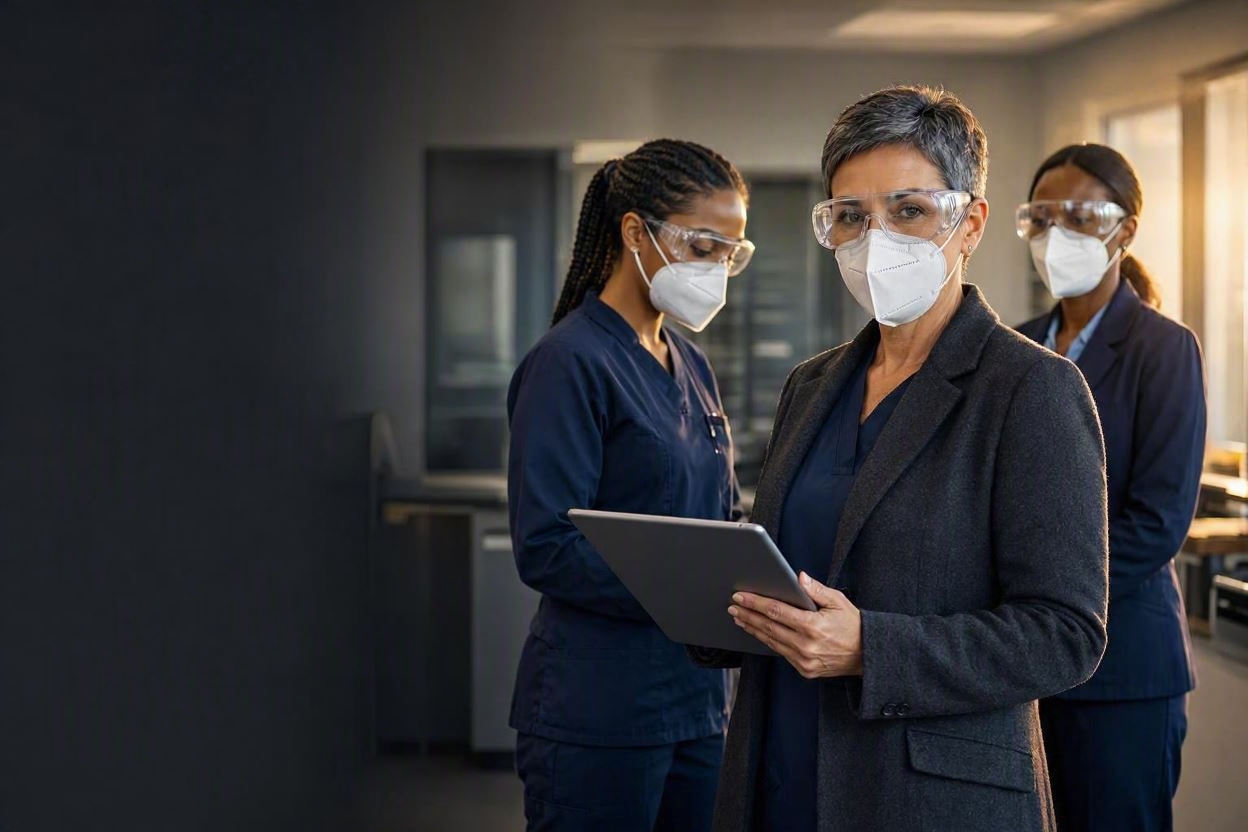
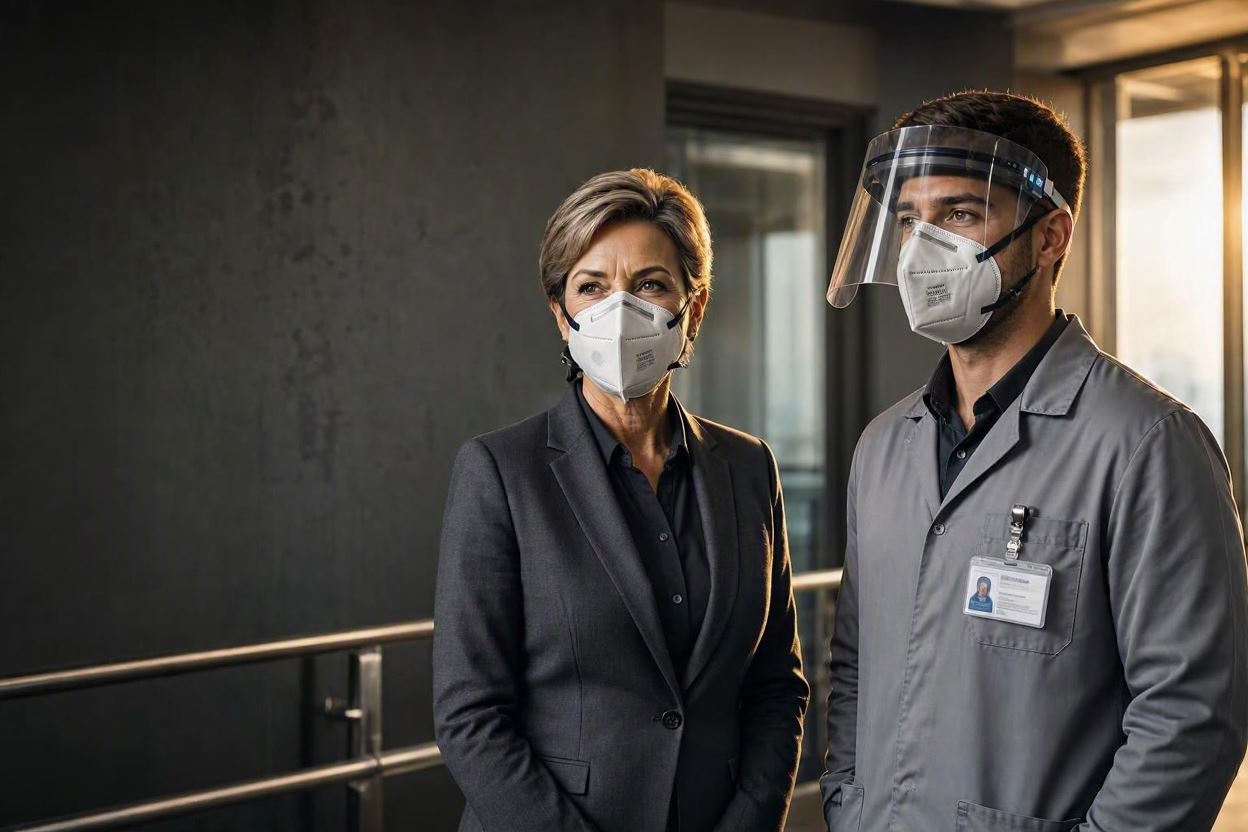
Personal Protective Equipment (PPE): Practical Guide | IOSHQ

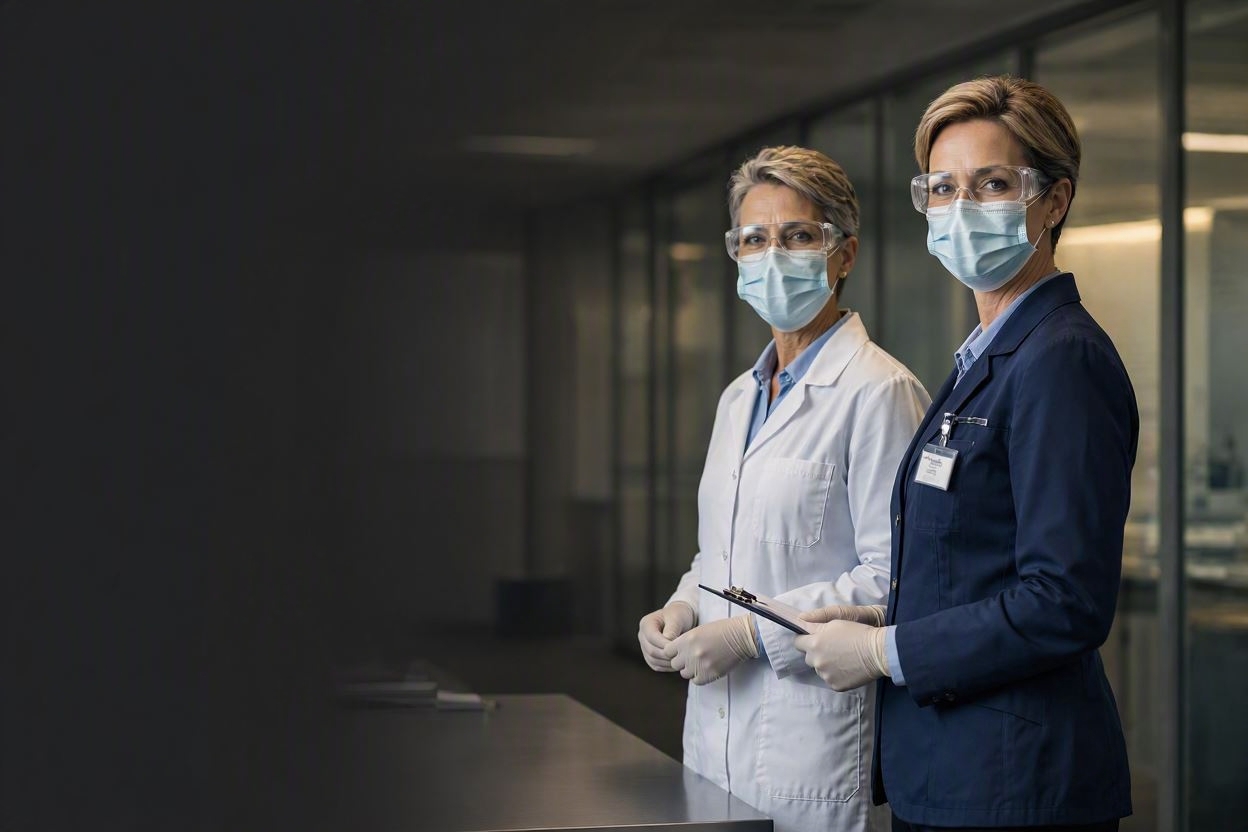


Hierarchy of Controls: Workplace Risk Control Guide | IOSHQ

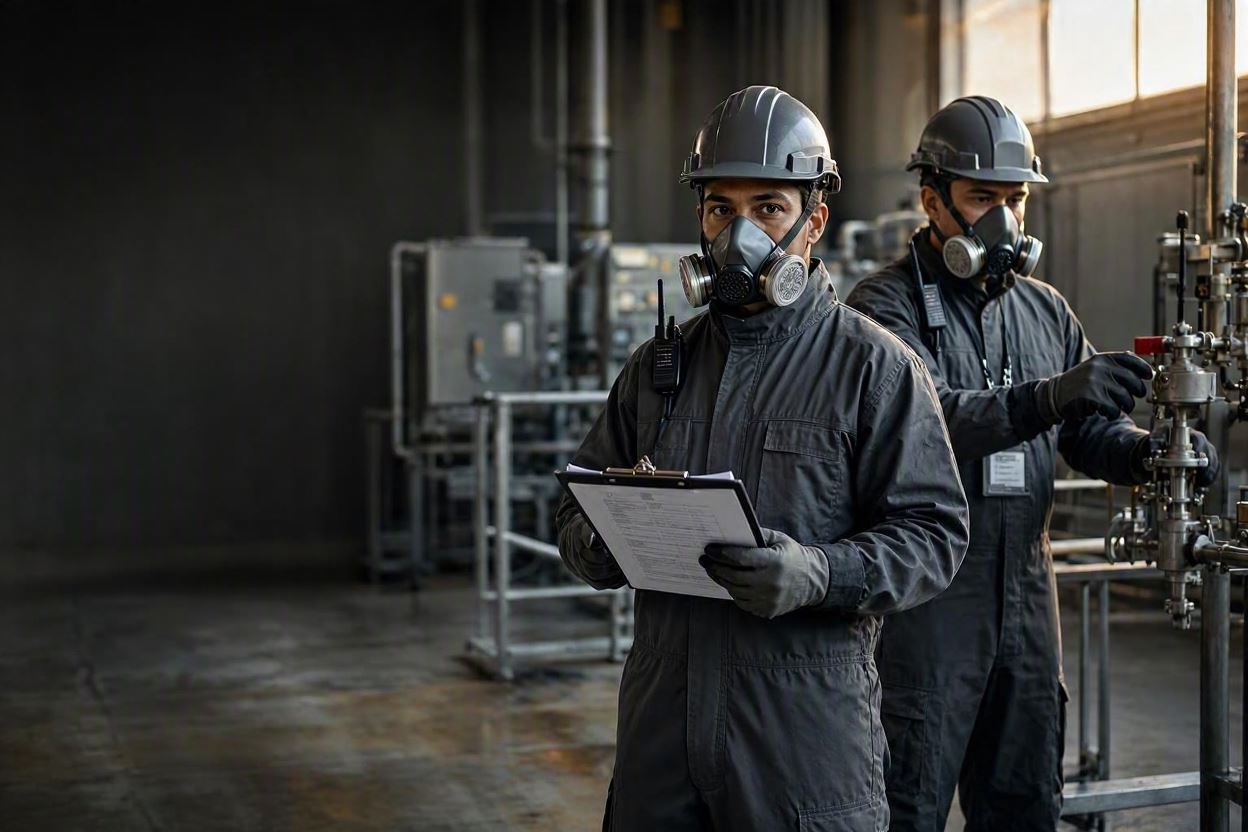
Biological Hazards and Infection Risk
Healthcare work can involve occupational exposure to biological hazards. Understanding exposure pathways and the principles of prevention helps support safer work practices and more effective risk management.
Exposure Pathways
Develop awareness of how occupational exposure can occur through different workplace activities and routes.
Preventive Practices
Explore the role of appropriate hygiene, work practices, environmental controls and protective measures.
Exposure Control
Understand how systematic controls can reduce occupational exposure and support safer healthcare activities.
Sharps, Hazardous Substances and Occupational Exposure
Healthcare personnel may encounter sharps, chemicals, cleaning products, medications and other potentially hazardous materials. Effective workplace safety requires recognizing the hazards and applying controls appropriate to the activity.
Sharps Safety
Explore occupational risks involving needles and other sharps and the importance of appropriate handling and disposal practices.
Hazardous Substances
Understand the importance of hazard information, exposure prevention, appropriate storage and safe work practices.
Protective Measures
Consider how engineering, administrative and personal protective measures can contribute to exposure control.
Healthcare Ergonomics and Physical Work Demands
Healthcare work can involve lifting, transferring, reaching, repetitive activities, prolonged standing and other physical demands. Ergonomic awareness helps identify factors that may contribute to musculoskeletal risk.
Handling Activities
Explore physical demands associated with lifting, moving, carrying and other workplace handling activities.
Posture & Movement
Consider how posture, repetition, force and working position can influence occupational risk.
Work Design
Explore how equipment, task organization and workplace design can influence physical demands and worker safety.
Physical and Operational Hazards in Healthcare
Healthcare safety extends beyond clinical exposure. Facilities also contain many of the physical and operational hazards found in other workplaces, requiring coordinated occupational safety controls.
Slips, Trips & Falls
Recognize environmental conditions, access issues and work activities that can contribute to fall-related incidents.
Electrical Hazards
Develop awareness of electrical risks involving equipment, installations, maintenance and workplace conditions.
Fire Safety
Explore fire hazards, ignition sources, emergency arrangements and the importance of maintaining clear response procedures.
Healthcare Emergency Planning and Workplace Readiness
Healthcare facilities may need to maintain operations while responding to emergencies. Occupational safety planning therefore depends on clear responsibilities, communication and arrangements appropriate to the facility and hazards involved.
Emergency Planning
Consider credible workplace emergencies, responsibilities, resources and appropriate response arrangements.
Communication
Explore the importance of alerts, reporting systems, instructions and coordination during emergency situations.
Response Arrangements
Understand how evacuation, movement, access and other arrangements can form part of workplace emergency preparedness.
Managing Occupational Safety in Healthcare
Healthcare safety management connects individual work practices with wider organizational systems. Planning, responsibilities, communication, competency, monitoring and improvement all contribute to a more systematic approach.
Planning & Controls
Identify workplace hazards, establish responsibilities and determine appropriate controls for healthcare activities.
People & Competency
Consider how information, instruction, learning and defined responsibilities support safer workplace performance.
Monitoring & Improvement
Use observations, incidents, findings and performance information to identify opportunities for improvement.
Healthcare Safety Knowledge Across Professional Levels
Occupational safety responsibilities exist across healthcare organizations. Different roles require different levels of awareness, supervision, management and professional safety knowledge.
Employees
Build awareness of workplace hazards, safe practices, exposure prevention and reporting responsibilities.
Supervisors & Managers
Explore planning, communication, risk controls, workplace monitoring and safety responsibilities.
Safety Professionals
Develop deeper knowledge of occupational risk, safety systems, analysis and professional safety practice.
Healthcare Safety Resources and IOSHQ Programs
Knowledge Center resources support independent learning and continuing professional development. They complement structured IOSHQ programs but do not replace program curricula, assessment, workplace competency requirements or role-specific authorization.
Explore
Use educational resources to develop understanding of healthcare workplace hazards and occupational safety concepts.
Study
Use structured IOSHQ programs when seeking defined curricula, learning outcomes and assessment requirements.
Develop
Connect continuing learning with workplace responsibilities and appropriate professional development pathways.
Educational Healthcare Safety Resources
IOSHQ healthcare safety resources are educational and focus on occupational safety and health. They are not clinical guidance and do not replace applicable laws, professional requirements, healthcare protocols, employer procedures or authoritative public-health guidance.
Educational Content
Knowledge Center materials are intended to support occupational safety understanding and professional learning.
Not Clinical Guidance
Healthcare safety resources do not provide patient-specific medical advice or replace clinical procedures and professional judgment.
Workplace Requirements
Applicable employer, facility, professional and jurisdictional requirements should be confirmed for the work concerned.
Healthcare Safety Resources FAQ
Common questions about IOSHQ healthcare safety resources and their role in occupational safety learning.
They are educational Knowledge Center resources covering healthcare workplace hazards, occupational exposure, infection risks, ergonomics, hazardous substances, emergency preparedness and safety management.
They can support learners, healthcare employees, supervisors, managers, safety practitioners, trainers and organizations seeking to strengthen occupational safety knowledge.
Yes. Relevant resources can explore occupational exposure pathways, biological hazards, preventive practices and workplace risk-control principles.
No. The resources focus on occupational safety and professional learning and should not be treated as patient-specific medical advice or a substitute for clinical guidance.
No. Knowledge Center resources support learning but do not replace structured training, assessment, workplace competency requirements or activity-specific authorization where required.
Visit the IOSHQ Healthcare Safety program area to explore published programs and applicable program information.
Build Your Healthcare Safety Knowledge
Explore IOSHQ healthcare safety resources and education pathways covering occupational hazards, exposure prevention, risk management and workplace safety.