Construction Safety Resources
Explore IOSHQ construction safety resources covering site hazards, occupational risk, work at height, scaffolding, equipment, material handling and construction safety management.
Construction Safety Resources for Workplace Learning
Construction environments combine changing work activities, multiple hazards, equipment, materials and different occupational responsibilities. IOSHQ construction safety resources support learning about these conditions and the principles used to identify, assess and control construction risks.
Site Safety
Explore safety concepts relevant to construction sites, changing work conditions and coordinated site activities.
Construction Hazards
Develop awareness of common hazard categories and the importance of systematic identification and control.
Risk Management
Understand how hazard identification, risk assessment, controls and review contribute to construction safety.

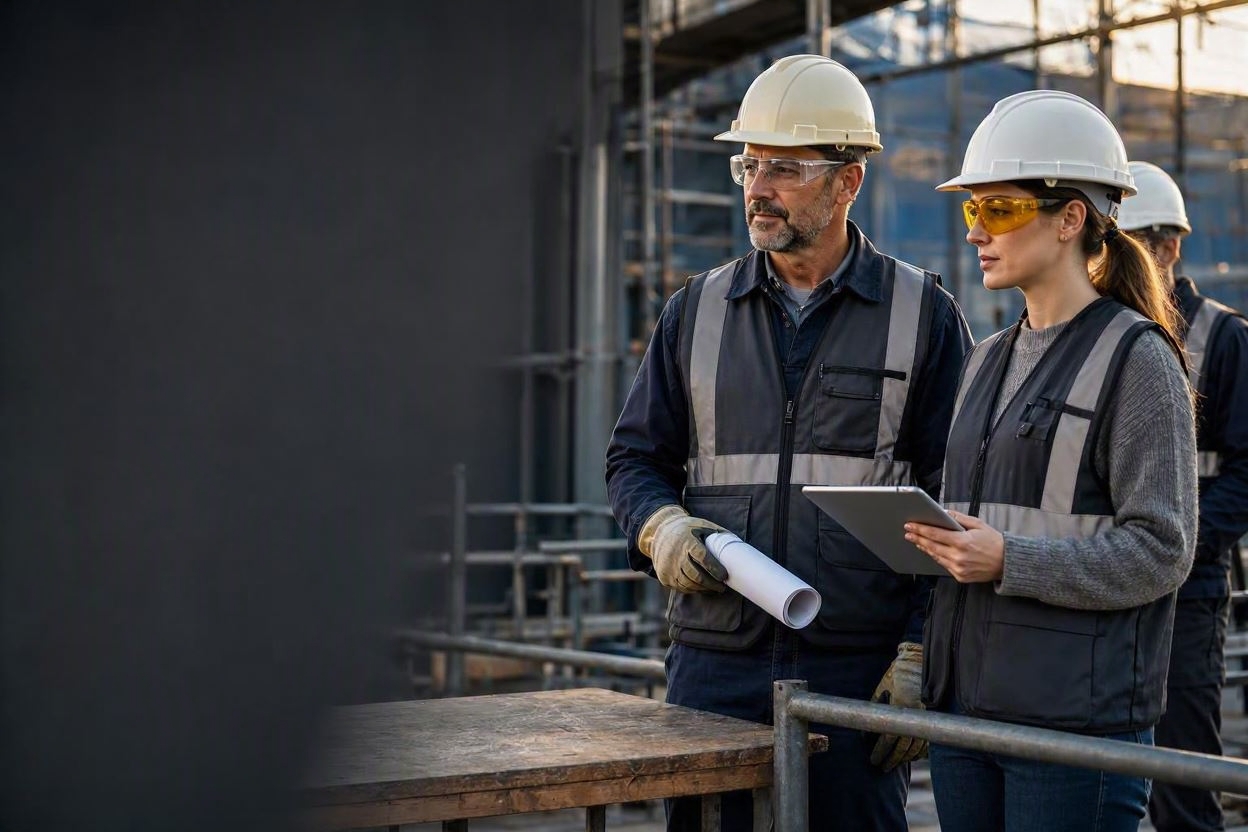
Construction Risk Assessment: A Practical Guide to Managing Site Risks
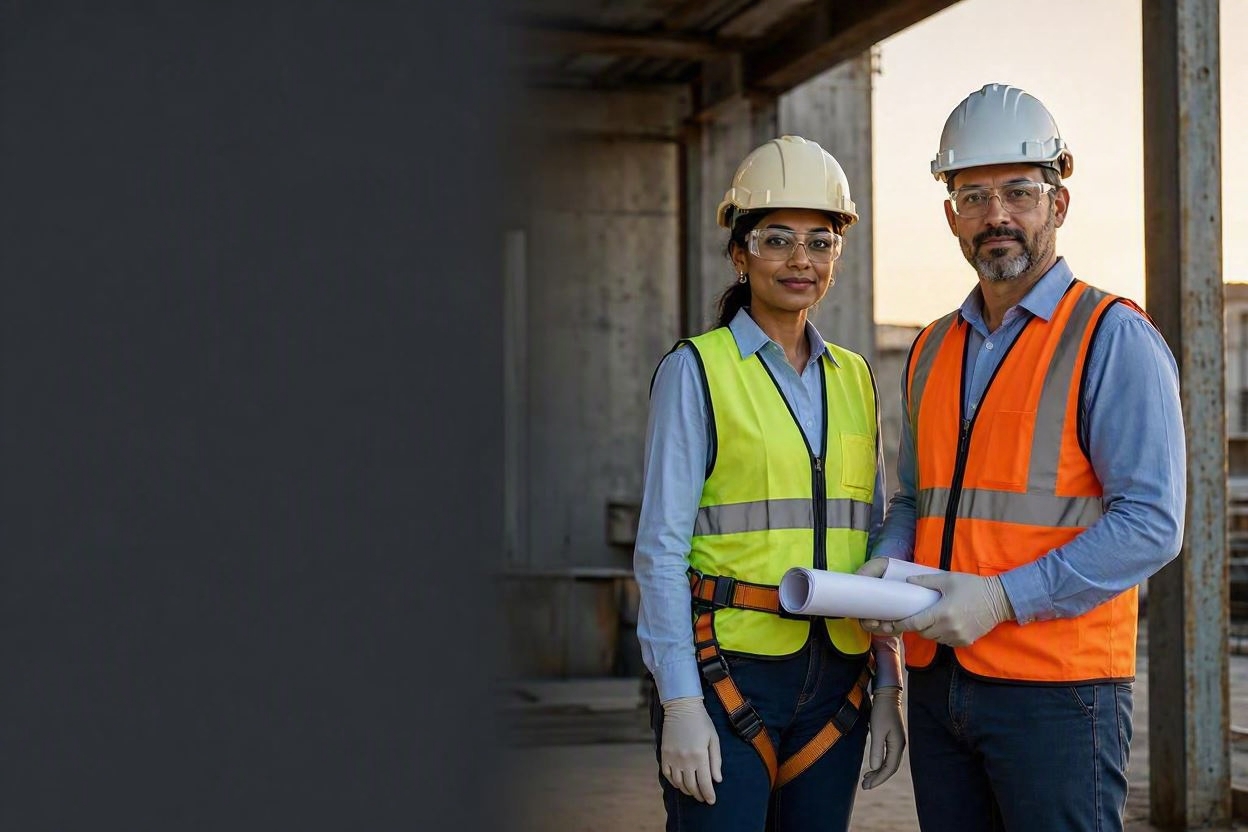
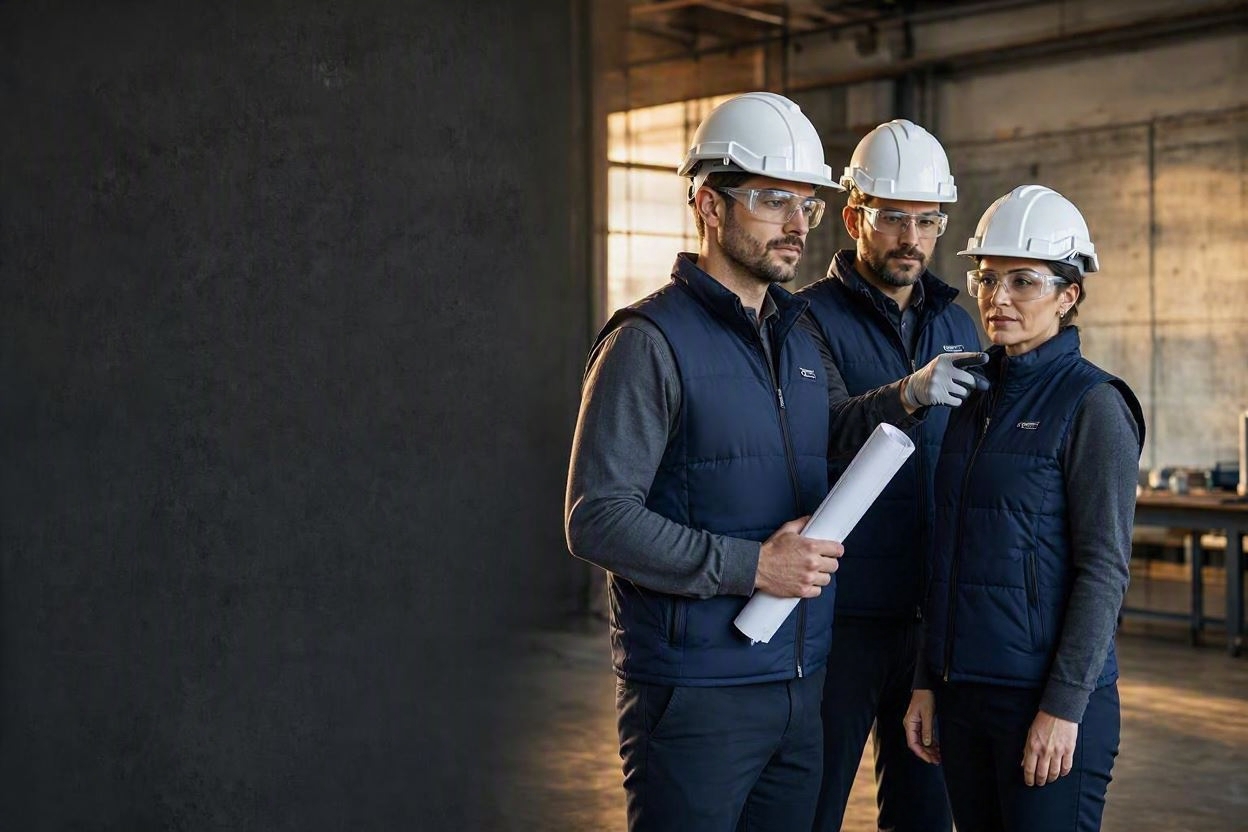
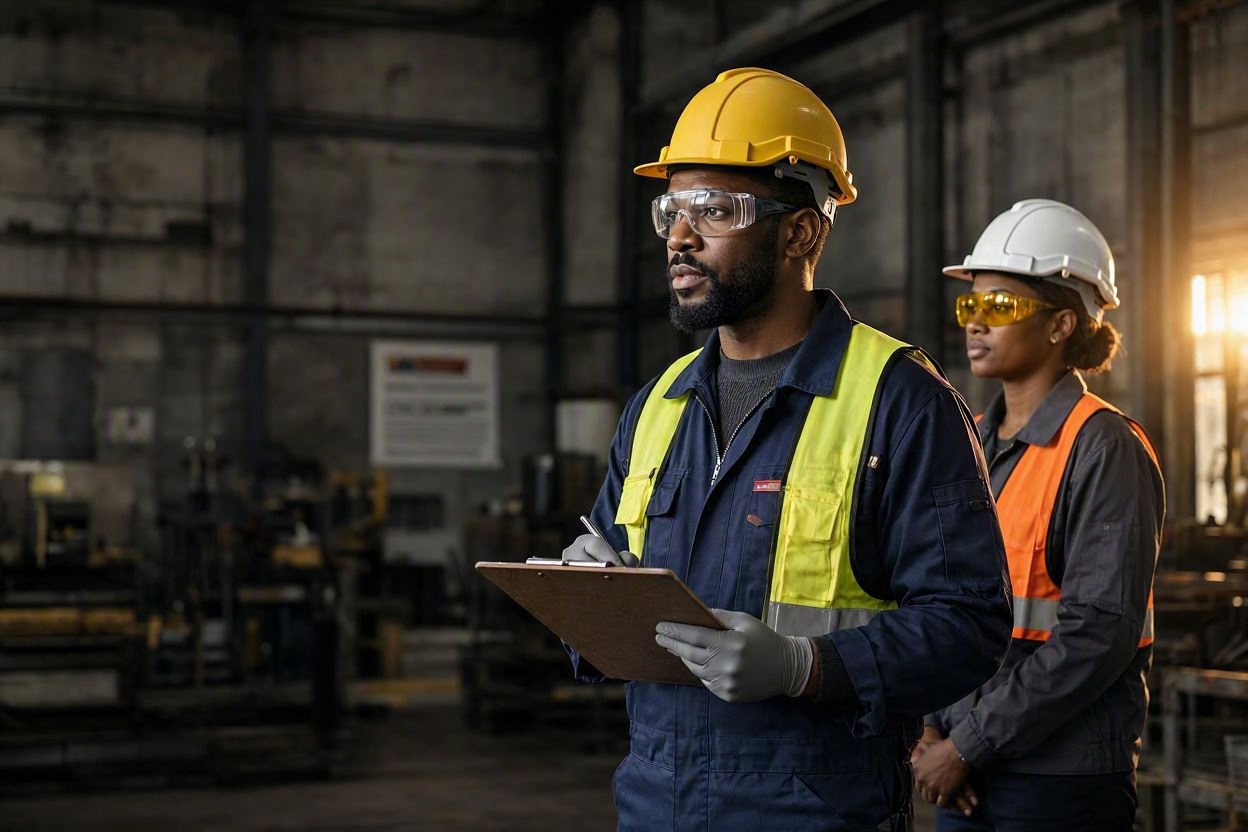


Construction Permit to Work: A Practical Guide to High-Risk Work Control
Construction PPE: A Practical Guide to Personal Protective Equipment
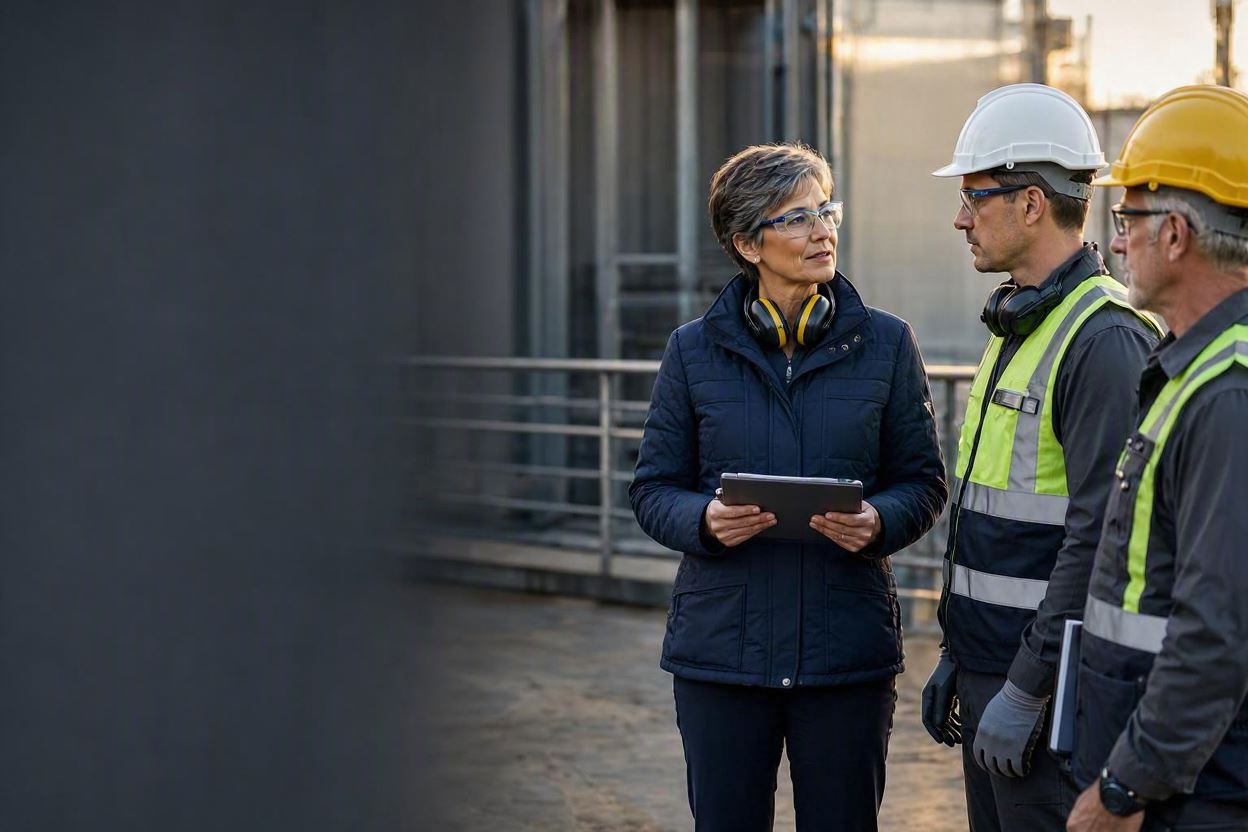
Falling Object Prevention in Construction: A Practical Safety Guide
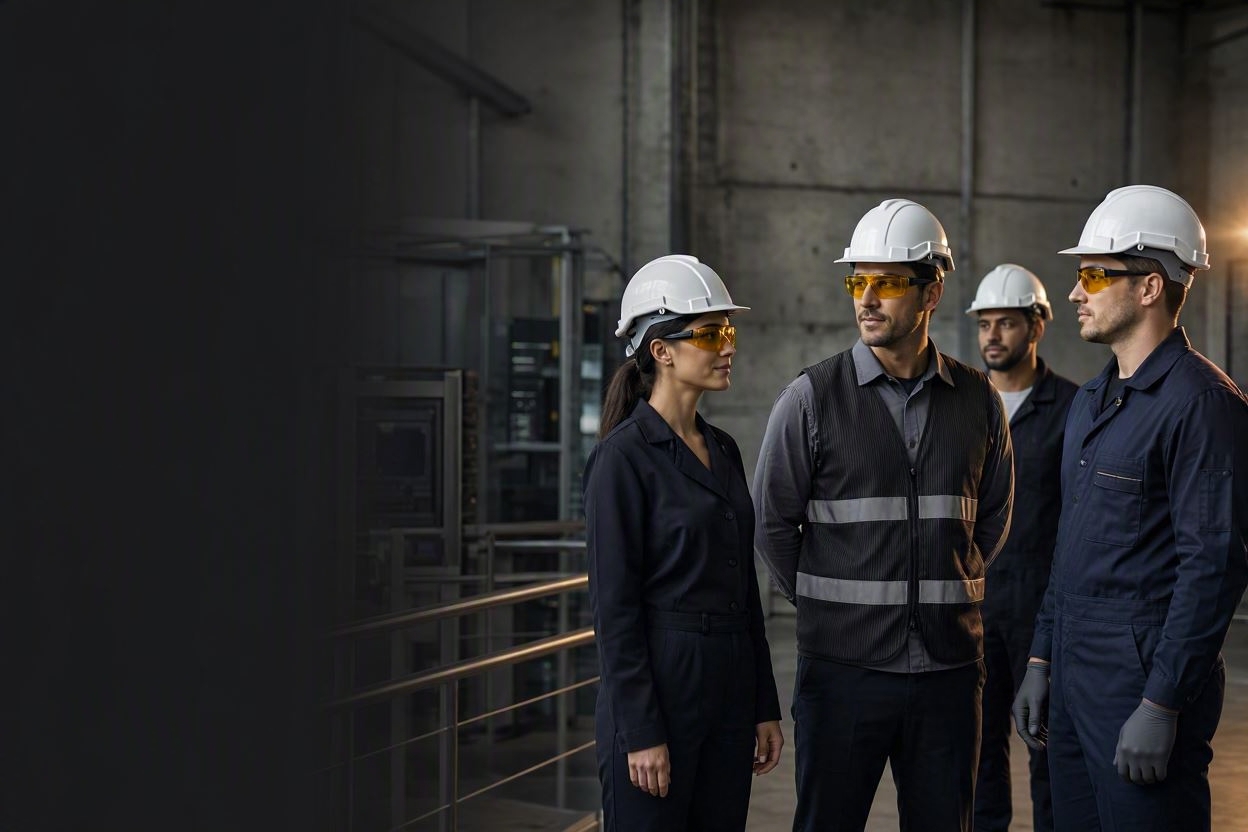
Construction Site Housekeeping: A Practical Guide to Safer Work Areas
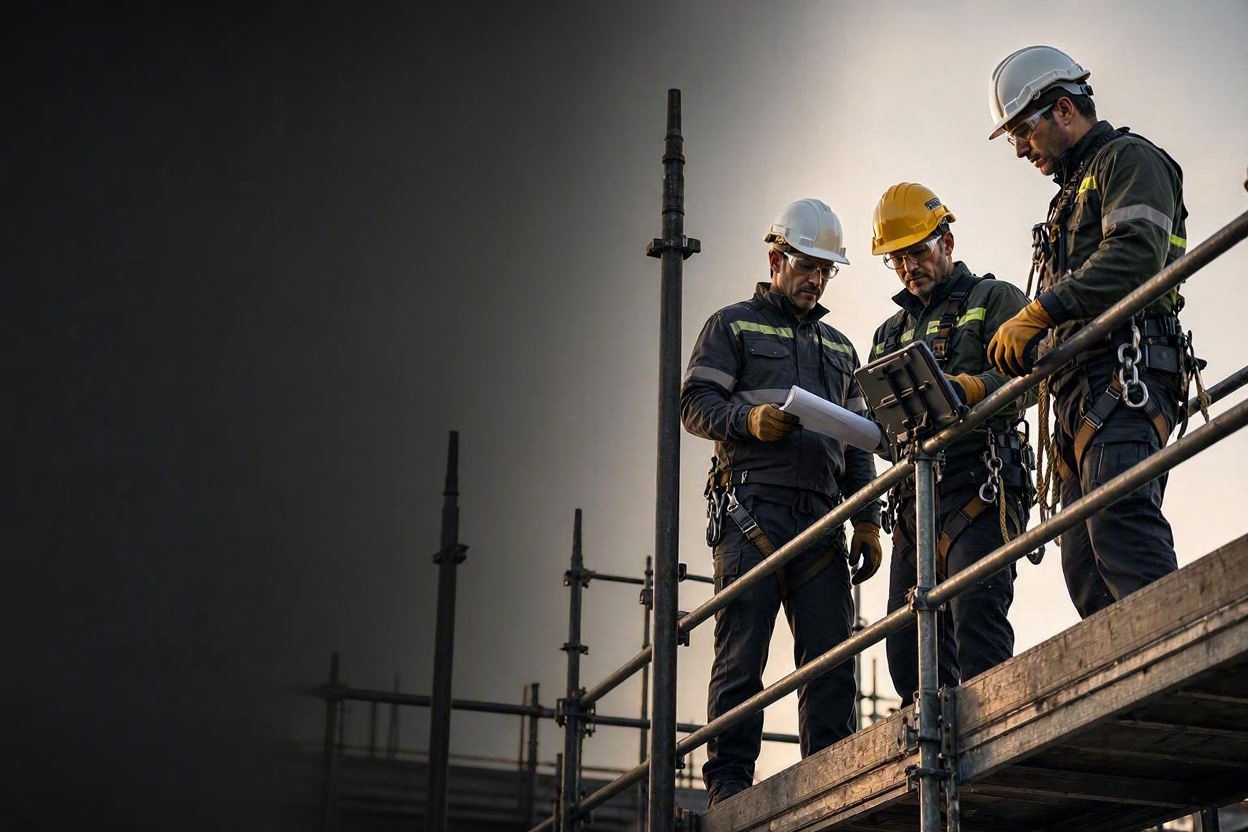
Construction Vehicle and Mobile Equipment Safety: A Practical Guide
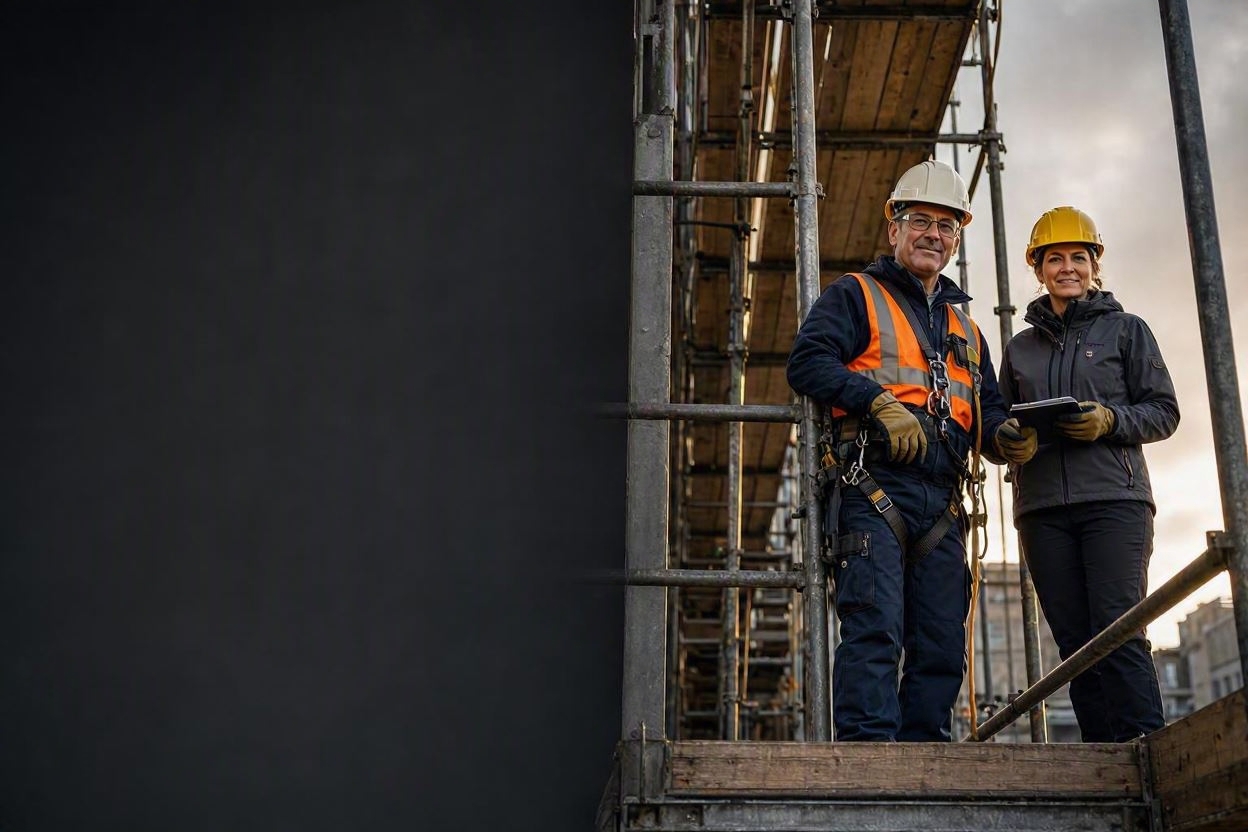


Fall Protection in Construction: A Practical Guide to Working at Height
Explore Construction Safety Knowledge Areas
Build knowledge across important construction safety topics, from site hazards and work at height to equipment, materials and occupational health.
Work at Height
Explore hazards associated with elevated work and the principles used to prevent and control fall-related risk.
Scaffolding
Develop awareness of scaffolding hazards, access, stability, loading and the importance of appropriate controls.
Material Handling
Explore risk associated with moving, storing, lifting and handling materials within construction environments.
Tools & Equipment
Understand safety considerations associated with construction tools, machinery and work equipment.
Electrical Safety
Build awareness of electrical hazards and the importance of appropriate controls around electrical systems and equipment.
Occupational Health
Explore workplace exposures and other construction conditions that can affect worker health and wellbeing.
Identify, Assess, Control and Review Construction Hazards
Construction safety depends on recognizing changing hazards and applying appropriate risk controls throughout the work process.
Identify
Recognize hazards arising from work activities, equipment, materials, site conditions and interactions between operations.
Assess
Consider available information to understand risk and determine appropriate priorities for control.
Control
Apply appropriate measures intended to eliminate hazards or reduce construction-related risk.
Review
Monitor work conditions and controls as construction activities, environments and risk factors change.
Construction Hazards and Critical Work Activities
Construction work can involve activities where effective planning, competent execution and appropriate controls are particularly important. Knowledge of these hazards supports stronger risk awareness and decision-making.
Working at Height
Understand fall hazards, access considerations and the importance of selecting appropriate preventive and protective controls.
Excavation & Ground Work
Explore hazards associated with excavation activities, ground conditions, access and nearby operations.
Lifting Operations
Develop awareness of lifting hazards involving loads, equipment, work areas and coordination between personnel.
Vehicles & Mobile Equipment
Explore hazards created by vehicle movement, mobile plant, restricted visibility and interactions with workers.
Hot Work
Understand hazards associated with heat, sparks and ignition sources and the importance of suitable preventive controls.
Restricted Work Areas
Build awareness of work environments where access, ventilation, communication or emergency arrangements require additional consideration.
Construction Safety Resources for Work at Height
Work at height requires careful consideration of the task, working environment, access arrangements, equipment and appropriate controls. IOSHQ resources can support understanding of the principles involved in managing these risks.
Safe Access
Explore the importance of suitable access and egress arrangements for elevated work locations.
Fall Prevention
Understand the principle of prioritizing measures intended to prevent falls before relying on measures that limit consequences.
Equipment Selection
Consider how the work activity, environment and risk influence the selection and use of appropriate access equipment.
Construction Equipment and Material Handling Safety
Tools, machinery, vehicles and materials introduce significant interaction risks on construction sites. Effective safety management considers equipment condition, work areas, movement, communication and the people involved.
Equipment Hazards
Recognize hazards involving moving components, energy sources, operating areas and interactions with personnel.
Materials
Consider safe handling, storage, movement and organization of construction materials within changing work environments.
Workplace Movement
Explore the importance of controlling interactions between pedestrians, vehicles, equipment and material movement.
Managing Safety Across Construction Activities
Construction safety management involves coordinating people, contractors, activities, equipment and changing site conditions. Effective arrangements help connect individual controls with wider project and organizational responsibilities.
Planning
Consider hazards, work sequences, responsibilities and controls before activities begin and as conditions change.
Coordination
Understand the importance of communication and coordination where multiple teams, contractors and activities interact.
Monitoring
Use workplace observations and other relevant information to identify changes, weaknesses and improvement priorities.
Construction Safety Knowledge for Different Responsibilities
Construction safety responsibilities extend across the workforce. Educational resources can support understanding at employee, supervisory, management and professional levels.
Employees
Build awareness of construction hazards, safe practices, workplace responsibilities and reporting.
Supervisors & Managers
Explore planning, coordination, monitoring, communication and control of construction safety activities.
Safety Professionals
Develop deeper understanding of construction risk, systems, analysis and professional safety practice.
Construction Safety Resources and IOSHQ Programs
Knowledge Center resources support independent learning and professional development. They complement structured IOSHQ construction programs but do not replace program curricula, assessments or completion requirements.
Explore
Use educational articles and guides to explore construction safety hazards, controls and management concepts.
Study
Use structured IOSHQ programs when seeking defined learning outcomes, curricula and assessment requirements.
Develop
Connect continuing learning with professional responsibilities and appropriate construction safety pathways.
Educational Construction Safety Resources
IOSHQ construction safety resources are educational in nature. Construction requirements can differ by jurisdiction, employer, project, site and activity, so applicable requirements should be confirmed through relevant authoritative sources.
Educational Content
Knowledge Center materials are intended to develop understanding and support professional learning.
Local Requirements
Applicable legal and regulatory requirements should be confirmed for the jurisdiction where construction work occurs.
Site Requirements
Employers, clients and individual projects may establish additional competency, authorization and safety requirements.
Construction Safety Resources FAQ
Common questions about IOSHQ construction safety resources and their role in workplace and professional learning.
They are educational Knowledge Center resources covering construction hazards, occupational risk, work at height, scaffolding, equipment, material handling, occupational health and construction safety management.
The resources can support learners, employees, supervisors, managers, safety practitioners, trainers and organizations seeking to strengthen construction safety knowledge.
Construction safety content can address work at height, scaffolding and related risk-control concepts. IOSHQ also maintains dedicated program areas where applicable programs are published.
No. Knowledge Center resources support learning but do not replace the curriculum, assessment, practical competency requirements or completion requirements applicable to a specific training program or workplace activity.
No. The resources are educational. Applicable laws, regulations, standards, employer requirements and project-specific requirements should be checked using relevant authoritative sources.
Visit the IOSHQ Construction Safety & Health program area to explore published construction programs and individual program information.
Build Your Construction Safety Knowledge
Explore IOSHQ construction safety resources and education pathways covering site hazards, occupational risk, work at height, equipment and construction safety management.