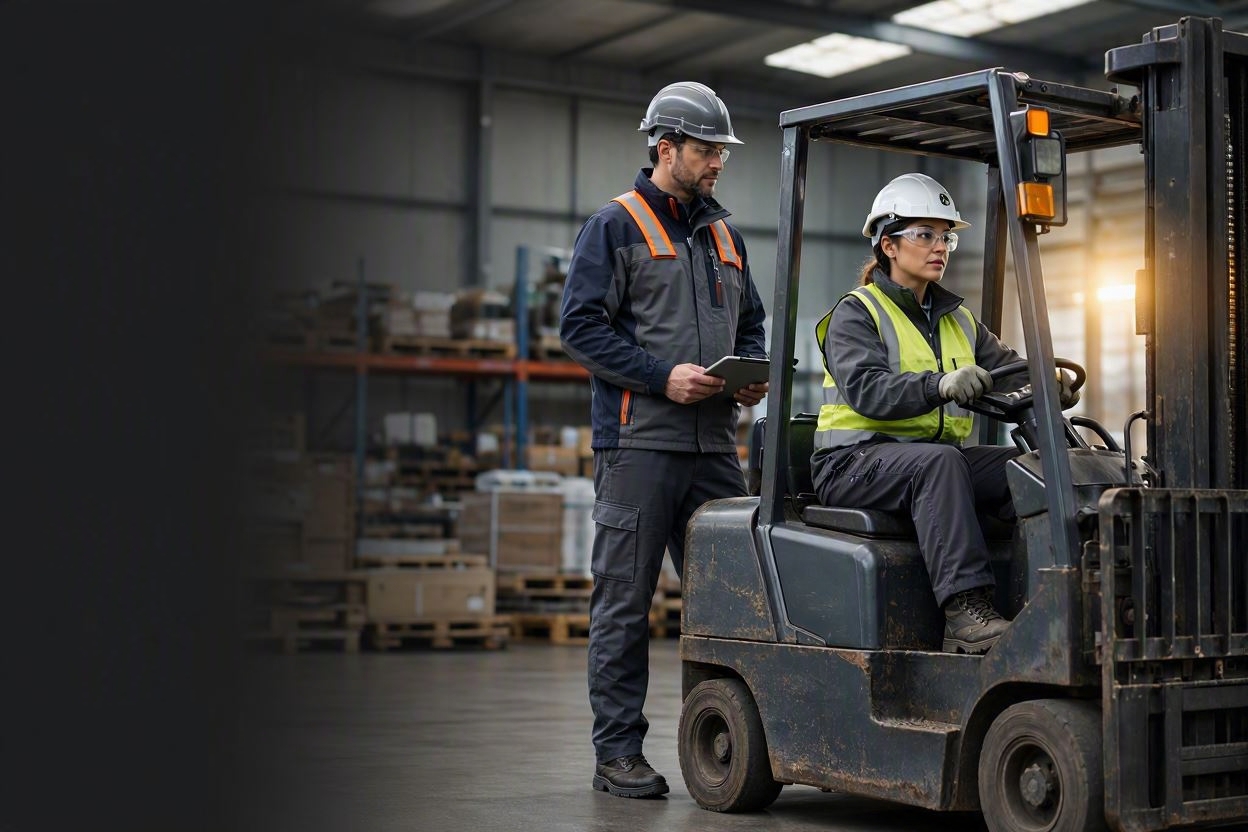
Falling Object Prevention in Construction: A Practical Safety Guide
Falling object prevention requires construction teams to control tools, materials, equipment and debris before they can fall from elevated work areas and expose people below.
What Is Falling Object Prevention?
Falling object prevention is the systematic control of tools, materials, equipment, components and debris that could fall from one level of a construction site to another.
Objects do not need to be large to cause serious harm. Height, shape, weight and the location of people below can all influence the consequences of a dropped object.
The priority should therefore be to prevent objects from falling and to prevent people from entering areas where residual falling-object hazards remain.
Recognize Common Falling Object Hazards
Falling-object hazards can arise from normal work, poor storage, material movement or changing construction conditions.
Tools & Equipment
Hand tools, power tools, fasteners and smaller equipment can fall from scaffolds, platforms, structures and other elevated workplaces.
Materials
Poorly stored or unsecured construction materials can shift, roll, slide or be displaced from elevated locations.
Waste & Debris
Loose debris and waste can be displaced during work, cleanup, material movement or changing environmental conditions.
Plan Falling Object Prevention Before Overhead Work
Work above other people should be identified during planning so that suitable controls can be established before the activity begins.
Planning should consider the objects being handled, work height, platform arrangement, material storage, lifting activities, access below and the possibility that tools or materials could become displaced.
Where practicable, work should be sequenced so that people are not required to occupy areas directly beneath overhead activities.
Prevent Objects From Falling Before Relying on PPE
Head protection can reduce some consequences of falling objects, but it does not prevent objects from falling.
Higher-level controls should first address the source through secure storage, physical containment, tool control, barriers and effective work planning.
Personal protective equipment should support these controls where residual risk remains rather than replace them.
Control Tools Used at Height
Tools should be managed so that they cannot easily roll, slide or be knocked from elevated work areas.
Suitable storage, containers, tool-retention systems or other controls can be used according to the work and equipment involved.
Workers should avoid placing tools temporarily on edges, rails or other unstable surfaces where minor movement could cause them to fall.
Secure Materials at Elevated Work Areas
Materials stored at height should be positioned so that normal work, vibration, equipment movement or environmental conditions do not cause them to fall.
Storage should consider the shape, weight and stability of the material as well as the available working space.
Unnecessary materials should be removed from restricted elevated areas rather than allowed to accumulate around workers.
Use Edge Protection to Control Falling Materials
Guarding systems can protect workers from falls while additional components can help prevent tools and materials from leaving elevated platforms.
The required arrangement depends on the work platform, materials being handled and potential exposure below.
Protective components should remain correctly installed and should not be removed simply to make material handling more convenient.
Protect Openings From Falling Objects
Floor openings, shafts and other penetrations can allow tools, materials and debris to fall to lower levels.
Suitable covers, barriers or other controls should protect openings when they are not required for active work or material movement.
Where an opening must remain temporarily accessible, the activity should be controlled so that objects cannot inadvertently enter it.
Prevent Falling Objects From Scaffolds
Scaffolds can expose workers below to tools, components, stored materials and debris from elevated platforms.
Working platforms should be kept orderly and unnecessary materials removed. Suitable edge controls and other protective measures should be maintained where required.
Scaffold materials should also be controlled during erection, alteration and dismantling because loose components can create hazards below.
Use Housekeeping to Reduce Falling Object Hazards
Poor housekeeping allows loose materials and debris to accumulate where they can be kicked, knocked or displaced from elevated areas.
Work areas should be maintained throughout the task rather than waiting until the end of a shift for cleanup.
Removing unnecessary items also creates more usable space and reduces the chance of workers accidentally disturbing materials near edges.
Establish Drop Zones Below Overhead Work
Where a falling-object hazard cannot be completely eliminated, access to the area below should be controlled.
Barriers, controlled access and other measures can prevent people from entering areas where tools, materials or equipment could fall.
The exclusion area should reflect the actual work and potential trajectory of falling objects rather than only the footprint directly beneath the worker.
Provide Protective Systems Where Exposure Remains
Where people must pass or work below an area with remaining falling-object risk, suitable collective protective measures may be required.
Depending on the work, these can include overhead protection, screens, barriers or other systems designed for the expected hazard.
The protective method should be appropriate to the objects that could fall and the conditions at the site.
Lower Materials Safely From Height
Construction materials, tools and waste should not be thrown from elevated workplaces where they could injure people.
Suitable lowering, lifting or controlled disposal methods should be established for moving items between levels.
The area below should also be controlled where material-transfer operations could create residual exposure.
Control Falling Objects During Lifting Operations
Loads being lifted can expose workers to falling materials if the load is unstable, incorrectly rigged or contains loose components.
Loads should be prepared and secured before lifting, and unnecessary people should remain outside the load path and lifting area.
Rigging arrangements should account for the shape, weight, centre of gravity and integrity of the load.
Consider Wind and Environmental Conditions
Wind can displace lightweight materials, sheets, temporary coverings and unsecured equipment from elevated work areas.
Changing weather conditions should be considered when deciding how materials are stored and whether overhead work can continue safely.
Following severe weather, affected elevated work areas should be checked for loose or displaced objects before normal work resumes.
Use Head Protection for Residual Falling Object Risk
Suitable head protection can reduce the risk of some head injuries where falling or flying objects remain a foreseeable hazard.
Selection should reflect the hazards, work environment and applicable standards or requirements.
Head protection should not be treated as permission to allow uncontrolled materials or tools to remain above occupied areas.
Coordinate Overhead and Lower-Level Work
Construction projects often involve multiple trades working at different elevations within the same area.
Work sequencing should prevent one contractor from creating an uncontrolled falling-object hazard for another contractor below.
Where simultaneous work cannot be avoided, suitable physical protection, exclusion zones and communication should be established before work begins.
Include Falling Objects in Construction Site Inspections
Site inspections should examine elevated storage, scaffold platforms, openings, overhead activities, exclusion zones and housekeeping conditions.
Inspectors should look beyond objects that are already falling and identify conditions that could allow an object to become displaced.
Recurring findings may indicate problems with work planning, storage, housekeeping or contractor coordination that require broader corrective action.
Include Falling Objects in Construction Hazard Identification
Falling-object hazards should be considered whenever work occurs above another level or materials can move from their intended position.
Hazard identification should consider routine tasks, material handling, lifting, scaffold work, temporary storage and changing construction conditions.
Workers should be encouraged to report loose materials, missing protective components and other conditions that could result in dropped objects.
A Practical Falling Object Prevention Process
Effective falling object prevention controls the source first and then protects people from any remaining exposure.
Identify
Determine what tools, materials, equipment or debris could fall and who could be exposed below.
Secure
Control tools and materials through suitable storage, containment, retention and edge protection.
Separate
Keep people away from drop zones using work sequencing, barriers and controlled access where residual hazards remain.
Verify
Inspect elevated work areas and revise controls whenever work activities or site conditions change.
Common Falling Object Prevention Mistakes
Relying Only on Hard Hats
Head protection can reduce some consequences but does not eliminate the hazard created by uncontrolled objects falling from height.
Loose Tools at Height
Tools left near edges or on unstable surfaces can be displaced by normal work activity and fall onto people below.
Uncontrolled Work Below
Allowing simultaneous work directly beneath overhead activities can create avoidable exposure even when elevated workers are careful.
Falling Object Prevention Starts at the Source
Effective falling object prevention combines secure tools and materials, controlled storage, good housekeeping, suitable edge protection and careful planning of overhead activities.
Where the possibility of falling objects remains, people should be separated from the danger area and appropriate collective protection and personal protective equipment should support the primary controls.
Continue Your Construction Safety Learning
Explore IOSHQ resources covering falling-object prevention, work at height, construction hazards and practical site risk controls.