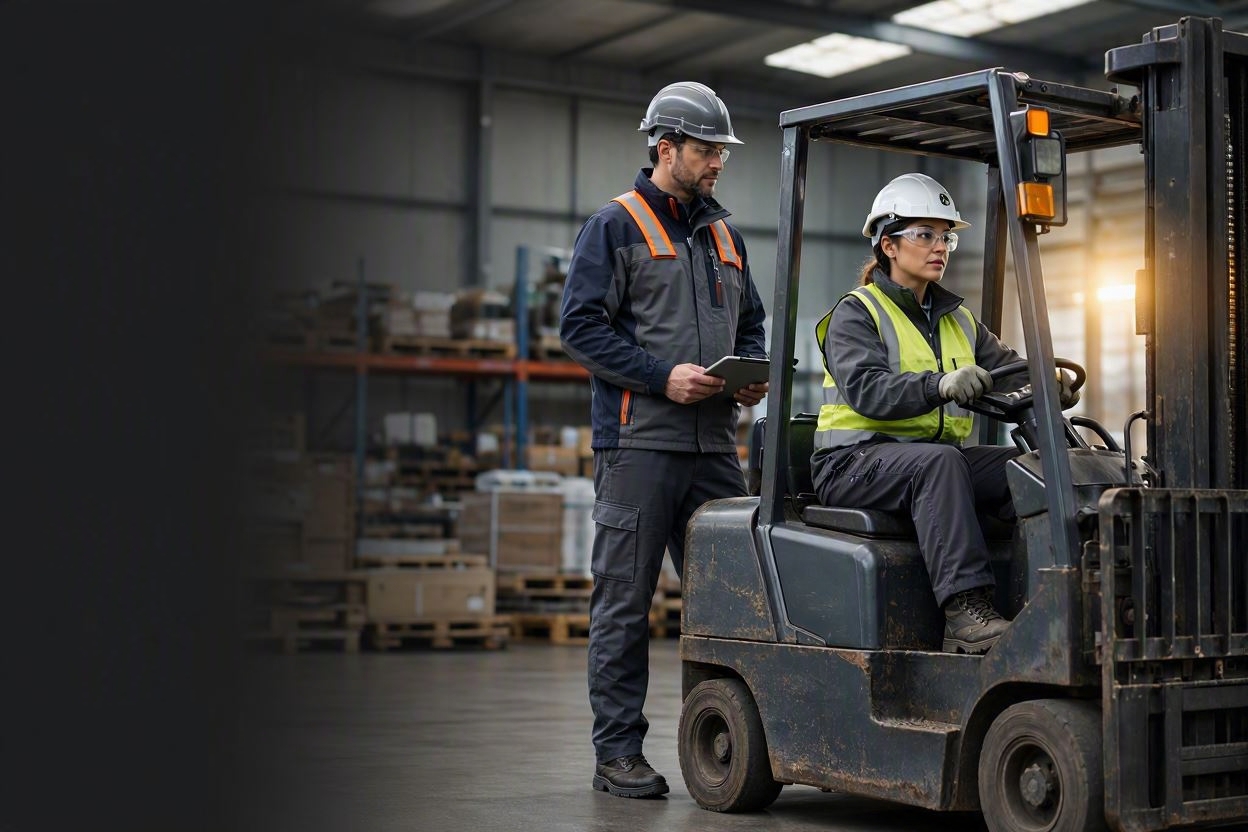
Construction PPE: A Practical Guide to Personal Protective Equipment
Construction PPE helps protect workers from residual hazards that cannot be adequately eliminated or controlled through other measures, making correct selection, fit, use and maintenance essential.
What Is Construction PPE?
Construction PPE is personal protective equipment and protective clothing selected to reduce worker exposure to specific hazards encountered during construction activities.
Depending on the work, PPE can include head, eye, face, hearing, hand, foot, respiratory and body protection, together with specialized equipment for particular hazards.
PPE should be selected according to the actual hazard and applicable requirements rather than treated as a universal substitute for safer equipment, engineering controls or improved work methods.
Construction PPE Is the Last Line of Defense
PPE is important, but it generally protects the individual worker after higher-level opportunities to eliminate or control the hazard have been considered.
Construction teams should first consider whether hazards can be eliminated, substituted or controlled through engineering and organizational measures.
Where adequate protection cannot be achieved by other means, suitable PPE should address the remaining exposure.
Select Construction PPE for the Hazard
PPE selection should begin with understanding the hazard, exposure and work environment.
The type of protection required for grinding may differ from welding, chemical handling, demolition, excavation or other construction activities.
Selection should also consider compatibility between multiple items of PPE when workers need to use them simultaneously.
Common Types of Construction PPE
The protective equipment required depends on the hazards associated with the work.
Head & Face Protection
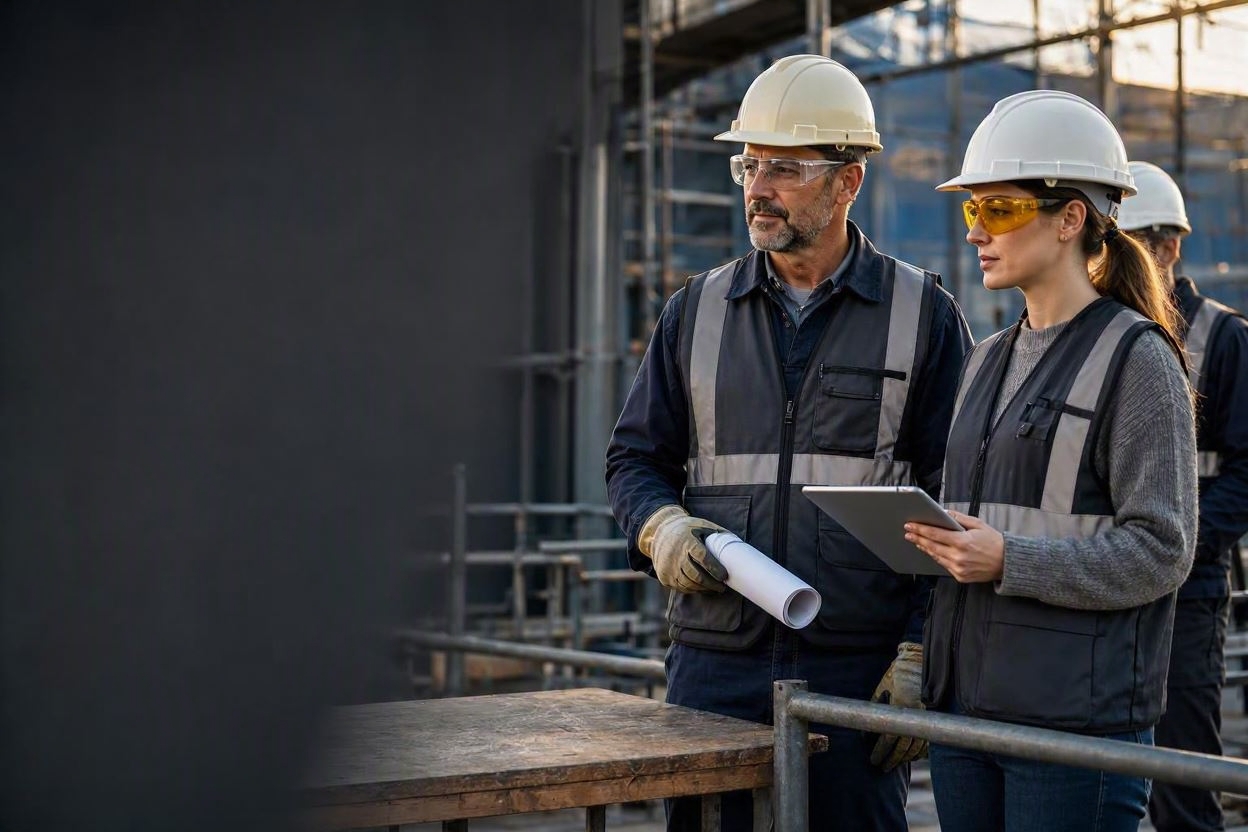
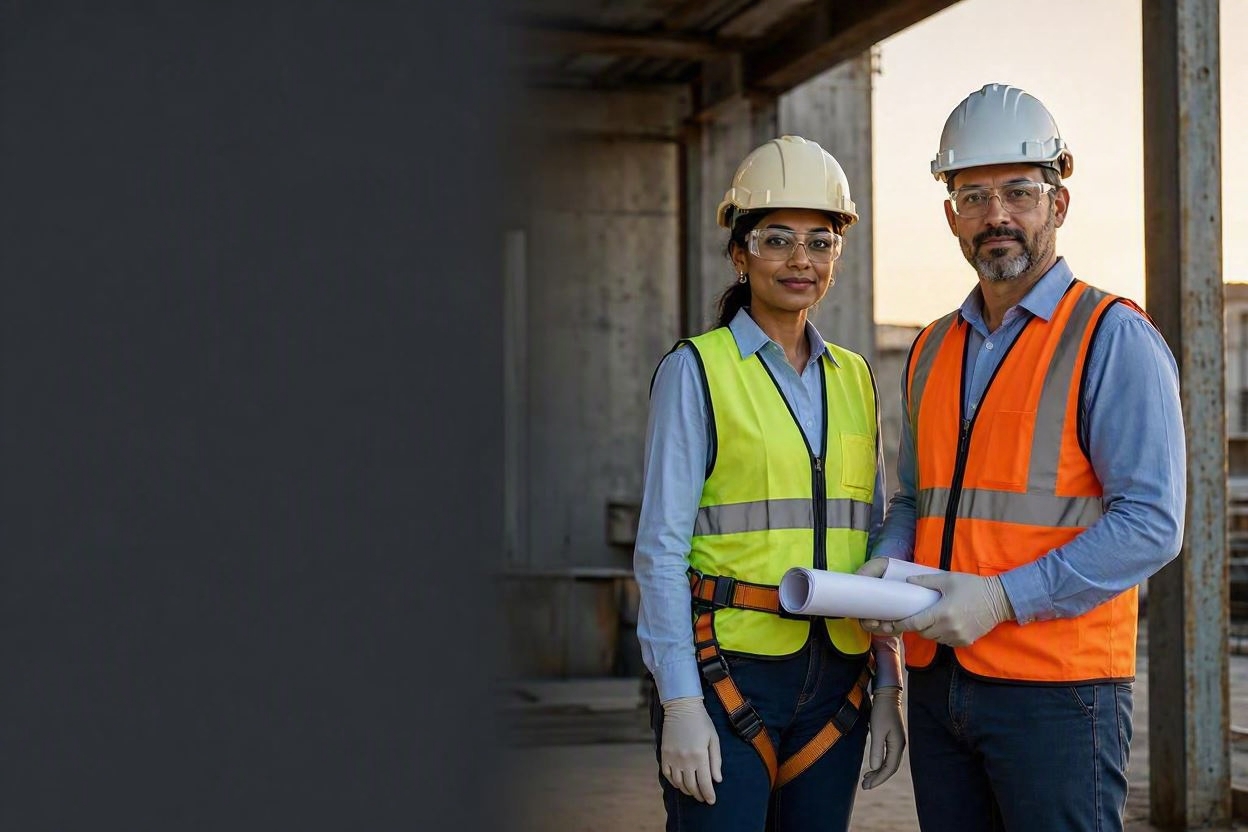
Safety helmets, eye protection and face protection can help protect workers from impact, flying particles, splashes and other identified hazards.
Hands & Feet
Suitable gloves and footwear can provide protection against hazards such as cuts, punctures, crushing, chemicals, heat and adverse surfaces.
Hearing & Respiratory Protection
Suitable protection may be required where noise or airborne contaminants cannot be adequately controlled through other measures.
Protect Workers From Head Hazards
Construction workers can be exposed to falling or flying objects, fixed structures and other hazards capable of causing head injury.
Head protection should be suitable for the identified hazards, correctly fitted and maintained in serviceable condition.
Protective helmets should complement controls designed to prevent objects from falling rather than becoming the primary falling-object prevention strategy.
Protect Eyes From Construction Hazards
Grinding, cutting, drilling, concrete work, chemical handling and other construction activities can expose workers to particles, dust, splashes and radiation hazards.
Eye protection should match the nature of the exposure and provide suitable coverage for the work being performed.
Where the entire face requires protection, additional face protection may be necessary while maintaining appropriate eye protection.
Use Face Protection for Appropriate Tasks
Some construction activities can expose more than the eyes to flying particles, splashes, heat or other hazards.
Face shields, welding protection and other task-specific equipment should be selected according to the hazard and applicable requirements.
Workers should understand the limitations of the equipment and whether additional eye protection is required underneath or alongside it.
Select Protective Gloves for the Task
Construction work can expose hands to sharp edges, abrasive surfaces, chemicals, heat and other hazards.
No single glove provides suitable protection against every hazard, so selection should reflect the specific task and exposure.
Gloves should also allow workers to perform the task safely without creating unnecessary loss of grip, dexterity or control.
Use Suitable Construction Safety Footwear
Construction workers may encounter falling or rolling objects, sharp materials, uneven surfaces, slippery conditions and other foot hazards.
Safety footwear should be selected for the hazards and environment in which it will be used.
Condition, fit and sole performance should be considered because damaged or unsuitable footwear can reduce protection and affect safe movement around the site.
Protect Workers From Harmful Noise Exposure
Construction equipment and processes can generate noise capable of damaging hearing.
Noise should be controlled at the source where practicable, with suitable hearing protection used where residual exposure requires additional protection.
Selection should consider the noise environment, required attenuation, communication needs and compatibility with other PPE.
Control Respiratory Hazards Before Selecting Respirators
Dusts, fumes, vapours, gases and other airborne contaminants can create respiratory hazards during construction work.
Engineering and work-practice controls should be used where appropriate to reduce airborne contamination before relying on respiratory protective equipment.
Where respiratory protection is required, the equipment should be suitable for the contaminant, exposure conditions and wearer.
Use High-Visibility Clothing Where Vehicle Exposure Exists
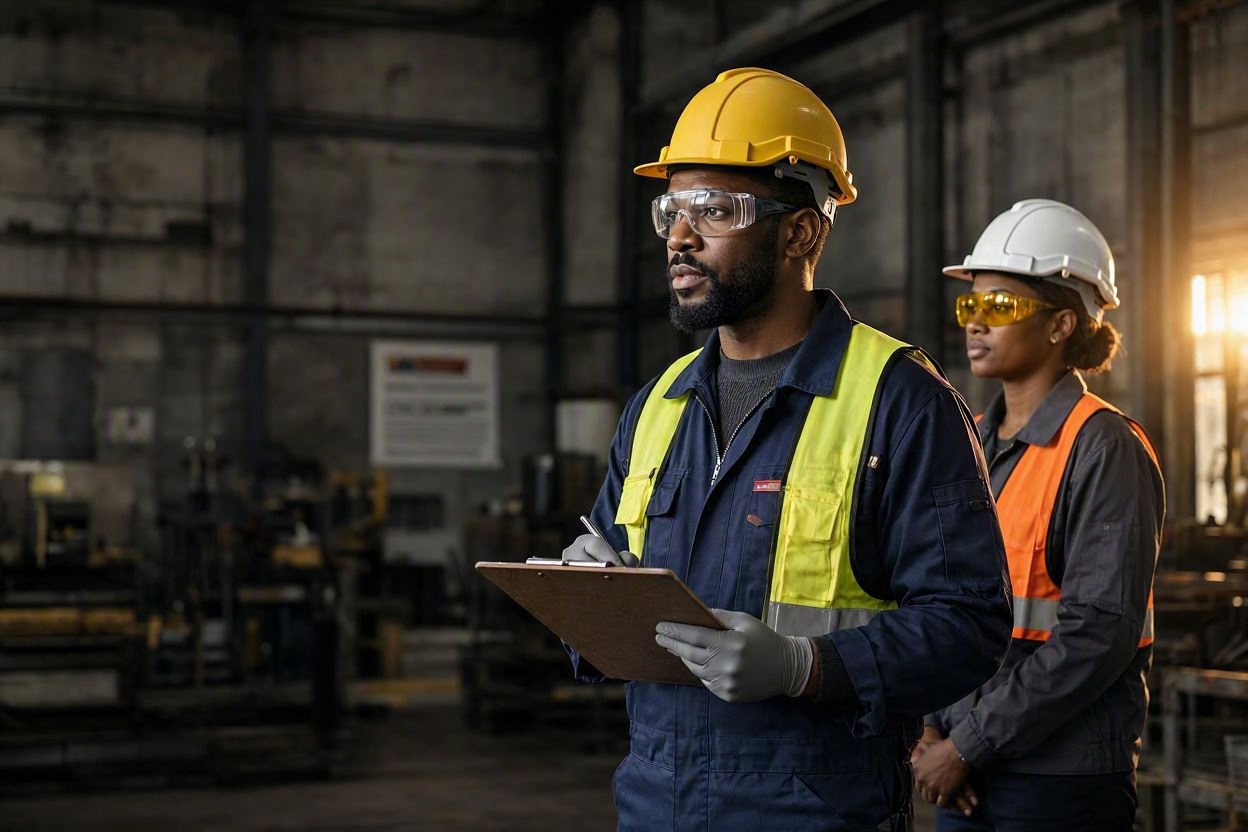
Workers operating around construction traffic and mobile equipment may require clothing that improves their visibility to equipment operators and drivers.
Visibility requirements should reflect lighting, background conditions, traffic movement and the nature of the work.
High-visibility clothing supports traffic controls but should not replace physical separation between pedestrians and vehicles.
Select Protective Clothing for Construction Hazards
Some activities require protective clothing against weather, heat, contamination, hazardous substances or other specific exposures.
Clothing should be appropriate for both the hazard and the physical demands of the work.
Loose or unsuitable clothing can itself create hazards around machinery, moving equipment and certain work processes, so task compatibility should be considered.
Ensure Construction PPE Fits the Worker
PPE cannot provide its intended protection if it does not fit the person using it.
Equipment that is excessively loose, tight, unstable or incompatible with other protective equipment can interfere with work and reduce protection.
PPE programs should therefore account for worker size, adjustment, ergonomics and the interaction between multiple protective items.
Check PPE Compatibility
Construction workers frequently need more than one item of PPE at the same time.
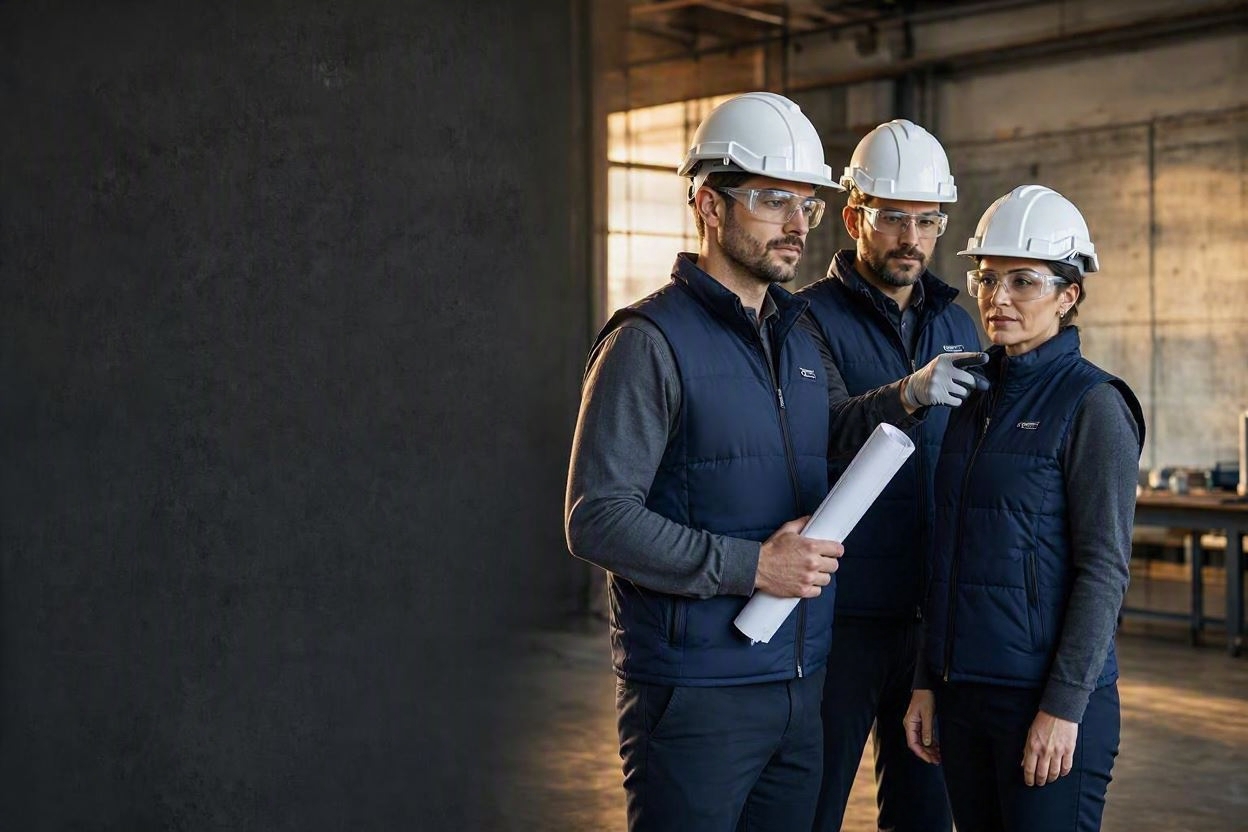
A helmet, eye protection, hearing protection, respiratory protection and other equipment should function together without one item compromising another.
Compatibility should be evaluated during selection rather than discovered only after workers begin the task.
Train Workers in Correct PPE Use
Providing PPE does not by itself ensure that workers are protected.
Workers should understand why the equipment is required, how to wear or use it correctly, its limitations and how to recognize defects.
Training should be practical enough that workers can apply the requirements during actual construction activities.
Inspect PPE Before and During Use
Protective equipment can deteriorate through impact, contamination, sunlight, heat, chemicals, repeated use and normal wear.
Workers should inspect PPE as appropriate and report damage or deterioration that could reduce protection.
Defective equipment should be removed from service or otherwise managed according to the equipment requirements rather than continuing to be used for convenience.
Maintain and Store Construction PPE Correctly
PPE should be maintained so that it continues to provide its intended level of protection.
Cleaning, storage, component replacement and other maintenance should follow appropriate instructions and requirements for the equipment.
Storage areas should protect PPE from contamination, damage and environmental conditions that could cause premature deterioration.
Replace PPE When Protection Is Compromised
PPE should not remain in service merely because it still appears usable.
Damage, contamination, significant wear, impact or other conditions may require equipment to be replaced according to applicable criteria and manufacturer information.
Workers should know how to obtain replacement equipment without creating pressure to continue using unsuitable PPE.
Review PPE When Construction Tasks Change
The PPE required for one activity may be unsuitable for another task performed later in the project.
Changes to materials, equipment, work methods, environmental conditions or location can introduce different exposures.
PPE requirements should therefore be reviewed whenever the hazard profile of the work changes significantly.
Connect Construction PPE to Hazard Identification
PPE selection should follow hazard identification rather than begin with a generic list of mandatory equipment.
Teams should determine what hazards are present, which controls can remove or reduce those hazards and what residual exposure remains.
This approach helps ensure that PPE requirements reflect actual work rather than relying only on broad site rules.
Verify That PPE Requirements Work in Practice
Supervision should examine more than whether workers are visibly wearing required equipment.
Supervisors should consider whether PPE is suitable, correctly fitted, compatible with other equipment and being used for the hazard it was selected to control.
Repeated non-use may also indicate problems with fit, availability, training, compatibility or the way work has been organized.
A Practical Construction PPE Process
An effective PPE program connects hazard assessment, equipment selection, worker competence and ongoing verification.
Assess
Identify the hazards and determine what exposure remains after higher-level controls have been considered.
Select
Choose suitable PPE based on the hazard, worker, task, environment and compatibility with other equipment.
Use
Train workers to fit, wear, adjust and use protective equipment correctly while understanding its limitations.
Maintain
Inspect, clean, store and replace PPE so that its protective performance is maintained throughout its service life.
Common Construction PPE Mistakes
Using PPE as the Only Control
PPE should not replace opportunities to eliminate hazards or establish more reliable engineering and collective controls.
Poor Fit
Protective equipment that does not fit properly can reduce protection, interfere with work and discourage correct use.
Damaged Equipment
Continuing to use worn, damaged or contaminated PPE can create a false sense of protection.
Construction PPE Must Match the Hazard and the Worker
Effective construction PPE management starts with hazard identification and higher-level risk controls before selecting suitable personal protective equipment for remaining exposure.
Protection depends on more than issuing equipment. Correct fit, compatibility, training, inspection, maintenance and replacement are necessary for PPE to perform as intended.
Continue Your Construction Safety Learning
Explore IOSHQ resources covering construction PPE, hazard control, site safety and practical methods for protecting workers.