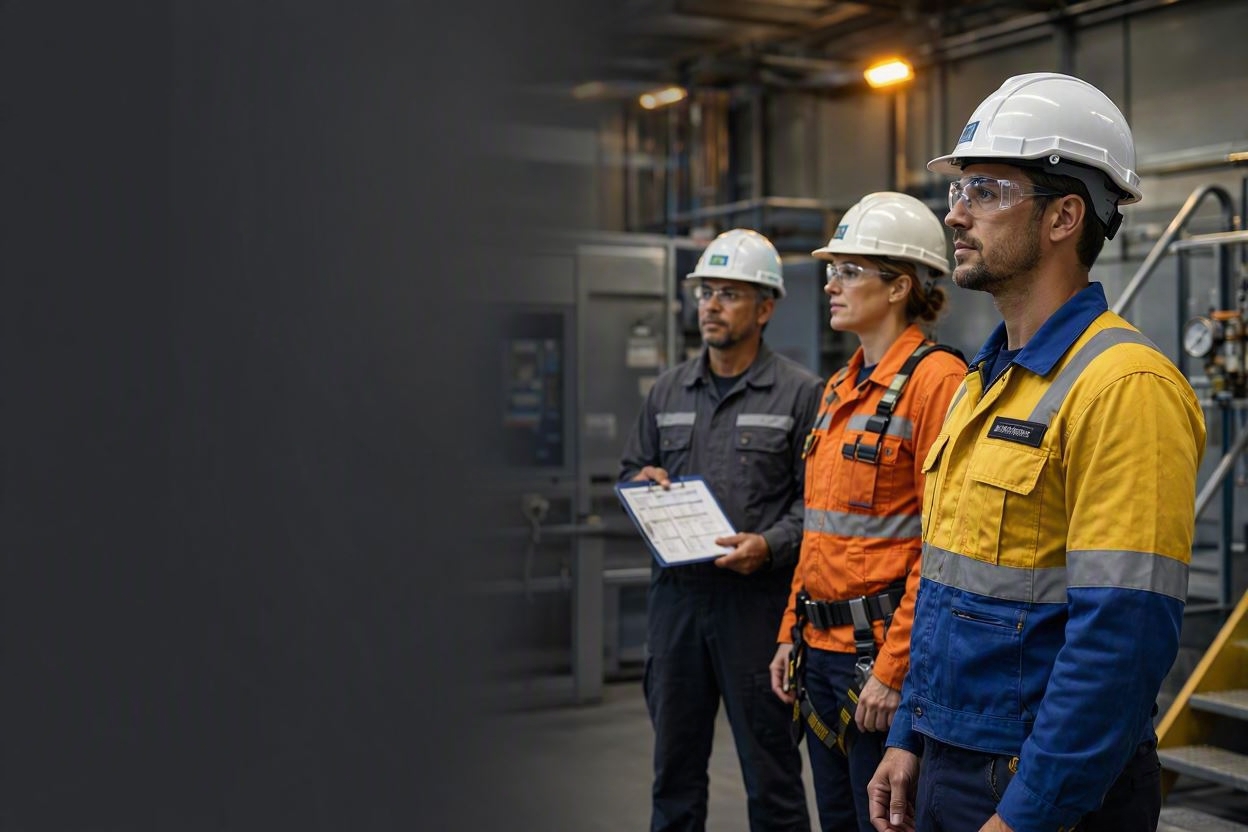
Toolbox Talks: A Practical Guide to Effective Workplace Safety Meetings
Toolbox talks are short, focused safety discussions that help workers consider relevant hazards, controls and changing conditions before or during work activities.
What Are Toolbox Talks?
Toolbox talks are brief workplace discussions focused on occupational safety and health topics relevant to the people, tasks or conditions involved in the work. They are sometimes called safety talks, toolbox meetings or pre-work safety discussions.
A toolbox talk can reinforce established procedures, draw attention to a specific hazard, communicate changing conditions or provide an opportunity for workers to raise concerns before work begins.
They should complement rather than replace formal training, risk assessment, supervision and other required safety controls.
Why Toolbox Talks Matter
Short safety discussions can help connect broader safety requirements with the work people are preparing to perform.
Hazard Awareness
Draw attention to hazards associated with the task, work area, equipment or current operating conditions.
Control Review
Reinforce the controls, procedures and precautions that should be in place before work proceeds.
Worker Communication
Create an opportunity for workers to ask questions, share observations and identify changing conditions.
Choose Toolbox Talk Topics That Match the Work
Effective toolbox talks should be relevant to the work being performed. Selecting a generic topic without considering current activities can turn the discussion into a routine exercise with little practical value.
Topics can be selected from risk assessments, job safety analyses, inspection findings, recent near misses, incidents, seasonal conditions, equipment changes or upcoming non-routine work.
The objective is not to cover every possible safety issue at once. A focused discussion about a significant and relevant issue is usually more useful than a long list of unrelated topics.
How to Prepare an Effective Toolbox Talk
A toolbox talk does not need to be complicated, but the person leading it should understand the subject and its connection to the work.
Select the Topic
Choose a hazard, control or safety issue that is directly relevant to the planned work or current conditions.
Review the Work
Consider the task, risk assessment, procedures, equipment and recent information that may affect the discussion.
Lead the Discussion
Explain the issue clearly, relate it to actual work and encourage questions and relevant worker input.
Address Findings
Follow up on hazards, questions or concerns identified during the discussion before they are forgotten.
What Should a Toolbox Talk Cover?
The content should reflect the purpose of the meeting. For a task-focused toolbox talk, this may include the work to be performed, significant hazards, required controls, responsibilities, personal protective equipment, emergency arrangements and conditions that would require work to stop.
When the discussion follows an inspection, near miss or incident, the emphasis may instead be on lessons learned and changes needed to prevent recurrence.
Information should be practical and specific enough for workers to understand how it relates to their work.
Connect Toolbox Talks With Workplace Risk Assessment
Toolbox talks can reinforce risk assessment findings by bringing relevant hazards and controls directly into the pre-work discussion.
They should not be used as a substitute for identifying hazards and assessing risks. If a toolbox discussion identifies a new or significantly changed hazard, the underlying assessment may need to be reviewed before work proceeds.
This connection helps prevent the toolbox talk from becoming disconnected from the organization’s actual risk management process.
Make Toolbox Talks Two-Way Discussions
A toolbox talk should not always be a one-way presentation. Workers can provide important information about equipment conditions, task difficulties, previous experience and changes in the work environment.
Questions can help determine whether the main points are understood and whether the planned controls reflect actual workplace conditions.
Where workers identify a legitimate concern, the issue should be considered and addressed rather than treating completion of the meeting as more important than the information raised.
When Should Toolbox Talks Be Conducted?
The appropriate frequency depends on the workplace, hazards and nature of the work. Some organizations conduct regular toolbox talks, while others use them in response to particular activities or changes.
Useful occasions can include the start of higher-risk or non-routine work, significant changes in conditions, introduction of new equipment or procedures, findings from inspections and lessons following near misses or incidents.
Frequency alone does not determine effectiveness. Relevance and quality are more important than conducting meetings simply to satisfy a schedule.
Use Toolbox Talks to Address Changes Before Work Continues
Work conditions can change after the original plan or risk assessment was prepared. Weather, nearby activities, equipment status, personnel, access conditions or the task itself may be different.
A pre-work discussion provides an opportunity to identify these differences and determine whether existing controls remain suitable.
If the change significantly affects risk, the appropriate response may be to stop and reassess the work rather than merely mention the change during the toolbox talk.
Coordinate Toolbox Talks With Permit-Controlled Work
Where a permit to work system applies, the toolbox talk can help communicate the permit conditions to the people performing the work.
The discussion may review the authorized scope, significant hazards, isolations, required precautions, simultaneous activities and conditions that could invalidate or suspend the permit.
The toolbox talk does not replace the permit or its authorization process. It helps ensure that relevant requirements are understood by the work team.
Use Near Misses and Incidents as Learning Opportunities
Near misses and incidents can provide useful topics when the lessons are relevant to the work group. Discussions can focus on what happened, contributing factors, controls and changes intended to reduce recurrence.
The purpose should be organizational learning rather than assigning blame during the meeting. Complex events should still receive the level of investigation required by the organization and applicable requirements.
Toolbox talks can then help communicate relevant findings to people who may encounter similar hazards.
Keep Safety Talks Clear and Practical
Safety information should be communicated in a way that the intended audience can understand. Unnecessary technical language, long presentations and generic material can reduce engagement.
Where language or literacy differences exist, organizations should consider suitable communication methods so that critical information is understood.
Relevant examples, demonstrations, equipment or workplace observations can sometimes communicate a point more effectively than reading directly from a prepared document.
Document Toolbox Talks Appropriately
Organizations may keep records of toolbox talks to document topics discussed, dates, participants and relevant follow-up actions. The level of documentation should reflect organizational and applicable regulatory requirements.
A signed attendance record should not be mistaken for evidence that the discussion was effective. The practical objective remains communication, understanding and appropriate action.
Any hazards or corrective actions identified during the meeting should be tracked through the appropriate workplace process rather than disappearing into the meeting record.
Toolbox Talks Can Support Workplace Safety Culture
Regular, meaningful discussions can demonstrate that safety communication is part of normal work rather than an activity reserved for formal training sessions or after an incident.
They can also strengthen worker participation when people see that relevant concerns are considered and acted upon.
However, meetings alone cannot create a positive safety culture. Leadership decisions, risk controls, resources and everyday work practices must support the messages communicated during the talk.
Common Toolbox Talk Mistakes
Reading Generic Material
Topics that have little connection to current work are less likely to support meaningful hazard awareness or action.
No Worker Participation
One-way presentations can miss practical information from workers who understand the task and current conditions.
No Follow-Up
Hazards and concerns raised during the discussion provide little value if necessary actions are never assigned or completed.
Effective Toolbox Talks Connect Safety With the Work
Toolbox talks are most useful when they focus on hazards, controls and conditions that matter to the people performing the work. They provide an opportunity to reinforce important information while also hearing what workers know about the task.
When connected with risk assessment, job planning, inspections, incident learning and other safety processes, toolbox talks can become a practical part of everyday workplace safety communication.
Continue Your Occupational Safety & Health Learning
Explore IOSHQ resources covering toolbox talks, hazard identification, risk assessment, workplace inspections, incident learning and practical risk control.