
Scaffolding Safety Programs
Explore structured IOSHQ scaffolding safety programs designed to develop knowledge in scaffold hazards, inspection principles, safe work practices, access, fall prevention and occupational safety responsibilities associated with scaffolding operations.
Develop Scaffolding Safety Knowledge
Scaffolding is widely used to provide temporary access and working platforms for construction, maintenance, industrial and related activities. Because scaffold systems can involve work at height, structural considerations, access arrangements, falling-object hazards and changing workplace conditions, appropriate safety knowledge is essential for personnel involved in scaffold-related work.
IOSHQ scaffolding safety programs provide structured professional education focused on hazard recognition, inspection awareness, safe work practices, fall prevention and occupational safety principles relevant to scaffolding environments.
Learners should select programs according to their workplace responsibilities, existing knowledge, intended scope of work and any requirements established by employers, clients or applicable authorities.
Work at Height
Develop awareness of hazards associated with elevated work and the principles used to reduce exposure to fall-related risks.
Scaffold Inspection
Build knowledge of systematic scaffold observation and inspection principles for identifying conditions that can affect safe use.
Hazard Control
Understand occupational safety principles for recognizing scaffold hazards and supporting appropriate preventive controls.
Explore Scaffolding Safety Programs
Browse IOSHQ programs relevant to scaffolding safety and related professional responsibilities. Open an individual program to review its curriculum, duration, learning objectives and applicable completion requirements.
All Programs
40 programs

10-hour Construction Safety and Health
CONSTRUCTION · OCCUPATIONAL SAFETY AND HEALTH PROGRAMS

10-hour Employee
GENERAL INDUSTRY · OCCUPATIONAL SAFETY AND HEALTH PROGRAMS

10-hour General Industry Housekeeping
GENERAL INDUSTRY · OCCUPATIONAL SAFETY AND HEALTH PROGRAMS

10-hour General Industry Restaurant Safety
GENERAL INDUSTRY · OCCUPATIONAL SAFETY AND HEALTH PROGRAMS

10-hour General Industry Safety and Health
GENERAL INDUSTRY · OCCUPATIONAL SAFETY AND HEALTH PROGRAMS

10-hour General Industry Warehouse Safety
GENERAL INDUSTRY · OCCUPATIONAL SAFETY AND HEALTH PROGRAMS

10-hour Healthcare Central Supply Safety
HEALTHCARE · OCCUPATIONAL SAFETY AND HEALTH PROGRAMS

10-hour Healthcare Emergency Department Safety
HEALTHCARE · OCCUPATIONAL SAFETY AND HEALTH PROGRAMS

10-hour Healthcare Hospital ICU Safety
HEALTHCARE · OCCUPATIONAL SAFETY AND HEALTH PROGRAMS

10-hour Healthcare Housekeeping Safety
HEALTHCARE · OCCUPATIONAL SAFETY AND HEALTH PROGRAMS
10-hour Healthcare Laundry Safety
HEALTHCARE · OCCUPATIONAL SAFETY AND HEALTH PROGRAMS

10-hour Healthcare Pharmacy Safety
HEALTHCARE · OCCUPATIONAL SAFETY AND HEALTH PROGRAMS

10-hour Healthcare Physical Therapy Safety
HEALTHCARE · OCCUPATIONAL SAFETY AND HEALTH PROGRAMS

10-hour Healthcare Radiology Safety
HEALTHCARE · OCCUPATIONAL SAFETY AND HEALTH PROGRAMS

10-hour Healthcare Sonography Safety
HEALTHCARE · OCCUPATIONAL SAFETY AND HEALTH PROGRAMS
130-hour Construction Safety and Health Specialist
CONSTRUCTION · OCCUPATIONAL SAFETY AND HEALTH PROGRAMS

132-hour OSH Professional
GENERAL INDUSTRY · OCCUPATIONAL SAFETY AND HEALTH PROGRAMS

145-hour Construction Site Safety Supervisor
CONSTRUCTION · OCCUPATIONAL SAFETY AND HEALTH PROGRAMS

15-hour Healthcare Hospital Safety Specialist
HEALTHCARE · OCCUPATIONAL SAFETY AND HEALTH PROGRAMS

15-hour Healthcare Laboratory Safety
HEALTHCARE · OCCUPATIONAL SAFETY AND HEALTH PROGRAMS

155-hour Oil and Gas Safety and Health Specialist
OCCUPATIONAL SAFETY AND HEALTH PROGRAMS · OIL AND GAS

162-hour Construction Safety and Health Manager
CONSTRUCTION · OCCUPATIONAL SAFETY AND HEALTH PROGRAMS

164-hour Oil and Gas Safety and Health Supervisor
OCCUPATIONAL SAFETY AND HEALTH PROGRAMS · OIL AND GAS
192-hour Construction Safety and Health Professional
CONSTRUCTION · OCCUPATIONAL SAFETY AND HEALTH PROGRAMS
192-hour Oil and Gas Safety and Health Manager
OCCUPATIONAL SAFETY AND HEALTH PROGRAMS · OIL AND GAS
20-hour Healthcare Administration Safety
HEALTHCARE · OCCUPATIONAL SAFETY AND HEALTH PROGRAMS

233-hour Oil & Gas Professional
OCCUPATIONAL SAFETY AND HEALTH PROGRAMS · OIL AND GAS

30-hour Construction Safety and Health
CONSTRUCTION · OCCUPATIONAL SAFETY AND HEALTH PROGRAMS

30-hour General Industry Safety and Health
GENERAL INDUSTRY · OCCUPATIONAL SAFETY AND HEALTH PROGRAMS
32-hour Safety Committee Member
GENERAL INDUSTRY · OCCUPATIONAL SAFETY AND HEALTH PROGRAMS

36-hour Occupational Safety and Health Supervisor
GENERAL INDUSTRY · OCCUPATIONAL SAFETY AND HEALTH PROGRAMS

36-hour OSH Train-the-Trainer
GENERAL INDUSTRY · OCCUPATIONAL SAFETY AND HEALTH PROGRAMS

36-hour Safety Committee Chair
GENERAL INDUSTRY · OCCUPATIONAL SAFETY AND HEALTH PROGRAMS
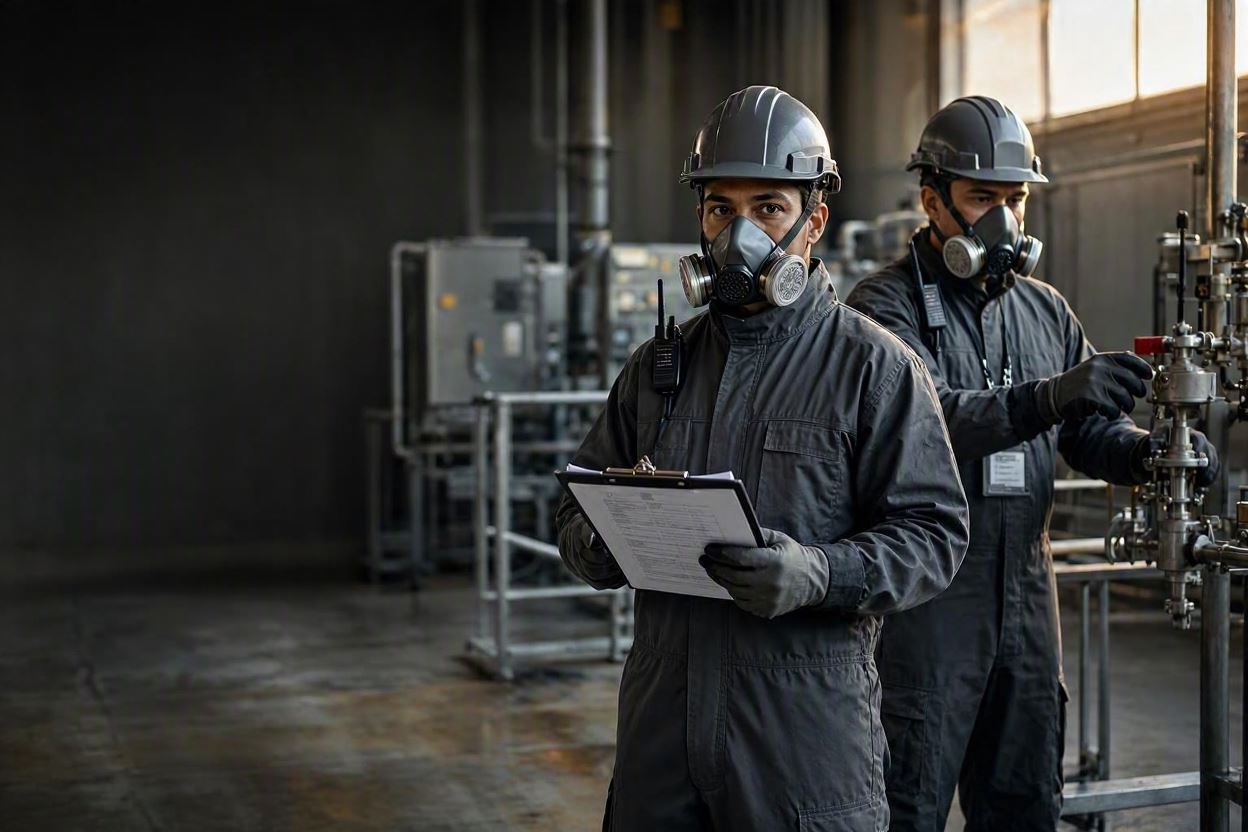
40-hour HAZWOPER
HAZWOPER · OCCUPATIONAL SAFETY AND HEALTH PROGRAMS
44-hour Specialist
GENERAL INDUSTRY · OCCUPATIONAL SAFETY AND HEALTH PROGRAMS
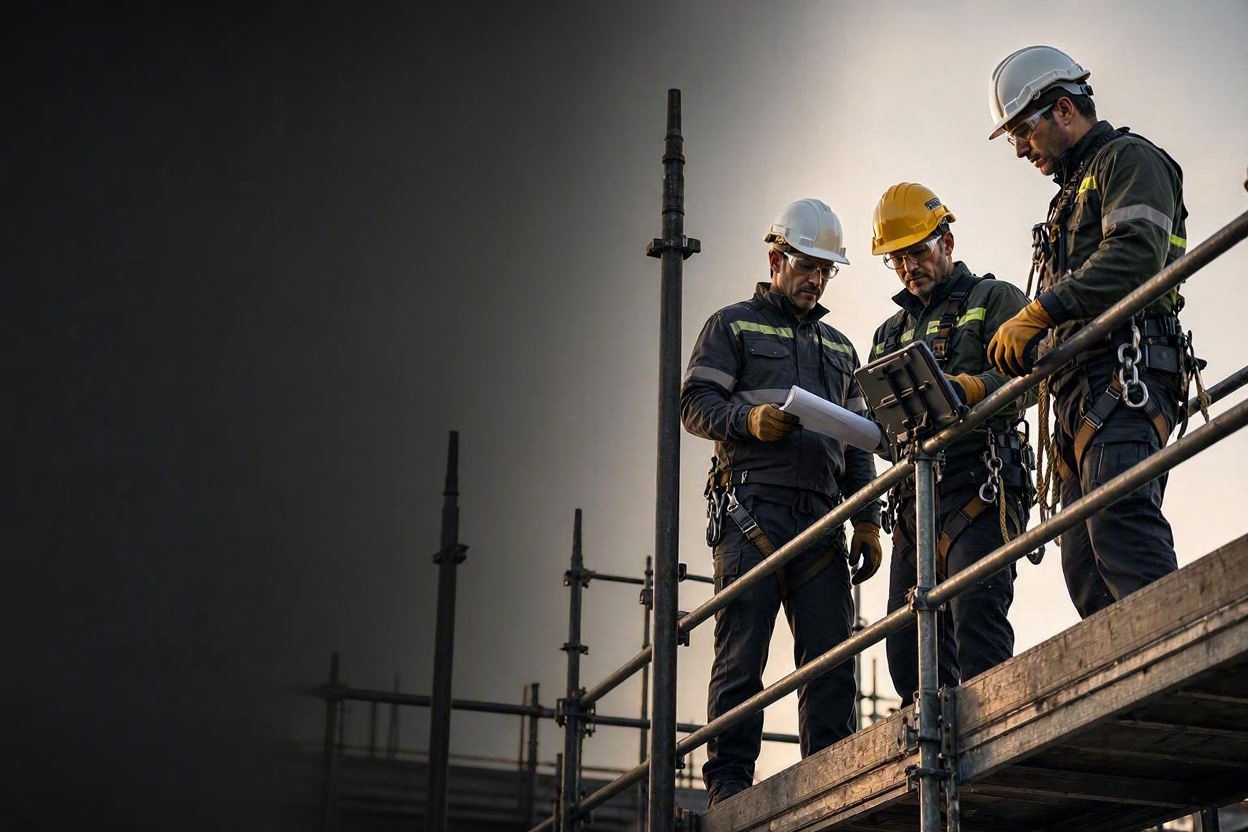
47-hour Construction Train-the-Trainer
CONSTRUCTION · OCCUPATIONAL SAFETY AND HEALTH PROGRAMS

48-Hour Occupational Safety and Health Manager
GENERAL INDUSTRY · OCCUPATIONAL SAFETY AND HEALTH PROGRAMS

70-hour Oil and Gas Train-the-Trainer
OCCUPATIONAL SAFETY AND HEALTH PROGRAMS · OIL AND GAS

Scaffolding Competent Person Erector
OCCUPATIONAL SAFETY AND HEALTH PROGRAMS · SCAFFOLDING
Scaffolding Competent Person Inspector
OCCUPATIONAL SAFETY AND HEALTH PROGRAMS · SCAFFOLDING
Scaffolding Safety Knowledge Areas
Scaffold safety involves interconnected technical and occupational safety considerations. Specific subject coverage and depth depend on the curriculum and learning objectives of the individual IOSHQ program.
Hazard Recognition
Recognize conditions and activities that can create occupational safety risks during scaffold-related work.
Fall Hazards
Develop awareness of fall exposures associated with scaffold platforms, access points, edges and elevated work activities.
Safe Access
Understand the importance of suitable access and egress arrangements when personnel use scaffold working platforms.
Loading Awareness
Develop awareness of how personnel, materials, tools and equipment can affect scaffold loading and safe-use considerations.
Safe Work Practices
Explore workplace practices and occupational safety responsibilities associated with scaffold use and related activities.
Inspection Principles
Understand systematic approaches to examining scaffold conditions and identifying issues requiring appropriate action.
Recognizing Scaffolding Hazards
Scaffold safety begins with recognizing conditions capable of causing injury or contributing to structural or operational failure. Hazards vary according to scaffold type, configuration, work activity and surrounding workplace conditions.
Falls From Height
Elevated platforms, open edges, access points and changing work conditions can create significant fall exposures.
Falling Objects
Materials, tools and equipment used at elevation can create hazards for personnel working or passing below scaffold areas.
Structural Conditions
Foundations, supports, connections, components and configuration can influence the stability and condition of scaffold systems.
Electrical Hazards
Scaffold placement and work activities can create additional risk where electrical installations or energized systems are present.
Environmental Conditions
Wind, rain, surface conditions and other environmental factors can affect scaffold work and should be considered within workplace risk management.
Work Activities
Personnel movement, materials, equipment and concurrent work activities can introduce additional hazards around scaffold systems.
Develop Scaffold Inspection Awareness
Scaffold inspection involves systematic observation of scaffold conditions and relevant workplace factors. The authority to perform or formally approve an inspection can depend on applicable regulations, employer procedures and competency requirements.
Visual Examination
Develop a structured approach to observing scaffold components, platforms, access arrangements and surrounding conditions.
Inspection Criteria
Understand the importance of evaluating scaffold conditions against applicable procedures, requirements and established criteria.
Documentation
Recognize the role of inspection records, findings and communication within an organization’s scaffold safety arrangements.
Unsafe Conditions
Develop awareness of conditions that may require escalation, restriction of use or further evaluation by an appropriately authorized person.
Changing Conditions
Understand that modifications, environmental events and changing workplace activities can affect scaffold conditions.
Competency & Authority
Distinguish educational knowledge from any competency designation or legal authority required by employers or applicable regulations.
Principles for Safer Scaffold Use
Safe scaffold use depends on appropriate equipment, suitable workplace conditions, effective controls and personnel following applicable procedures and restrictions.
Access & Egress
Understand the importance of designated and appropriate means for entering and leaving scaffold work areas.
Working Platforms
Develop awareness of platform conditions, working surfaces and arrangements relevant to safer scaffold use.
Fall Prevention
Explore the principles of preventing and controlling fall exposure during work performed from scaffolding.
Materials & Equipment
Consider how the placement and movement of tools, equipment and materials can affect scaffold work areas.
Restrictions
Understand the importance of following applicable restrictions, procedures and instructions relating to scaffold use.
Communication
Recognize the importance of communicating hazards, changes, findings and restrictions to relevant workplace personnel.
Fall Prevention and Scaffolding Safety
Falls are a major consideration whenever work is performed at elevation. Scaffolding safety education can help learners understand the importance of recognizing fall exposure and applying appropriate workplace controls.
Recognize Exposure
Identify work activities, platform conditions and access arrangements that can expose personnel to fall hazards.
Understand Controls
Develop knowledge of preventive principles and safeguards used within work-at-height safety arrangements.
Follow Procedures
Recognize the importance of workplace procedures, authorization and task-specific requirements when working at elevation.
Build Scaffolding Safety Knowledge
Structured scaffolding safety education can support progression from basic hazard awareness to more detailed understanding of inspection principles, workplace controls and professional safety responsibilities.
Recognize
Identify scaffold-related hazards, work-at-height exposures and changing workplace conditions.
Understand
Develop knowledge of scaffold safety principles, controls, access and inspection considerations.
Evaluate
Apply structured observation and safety knowledge when considering scaffold conditions and workplace hazards.
Communicate
Support workplace safety through appropriate reporting, documentation and communication of relevant conditions.
Who May Consider Scaffolding Safety Training?
Scaffolding safety knowledge can be relevant to personnel whose work involves scaffolds, work at height, construction operations, maintenance activities, workplace inspection or occupational safety responsibilities.
Workers & Scaffold Users
Personnel who work from or around scaffolds can benefit from understanding scaffold hazards and safe-use principles.
Supervisors
Supervisory personnel can develop additional knowledge relevant to monitoring work activities and supporting workplace controls.
Inspection Personnel
Personnel involved in scaffold observations or inspections can develop structured knowledge relevant to scaffold conditions and inspection principles.
Safety Personnel
Occupational safety personnel can strengthen subject-specific knowledge relating to scaffold and work-at-height hazards.
Construction Personnel
Construction professionals whose responsibilities interact with temporary access systems can benefit from scaffold safety awareness.
Maintenance Personnel
Personnel involved in maintenance and industrial work at elevation can develop knowledge relevant to scaffold-related workplace risks.
Choosing a Scaffolding Safety Program
The appropriate program depends on your work activities, professional responsibilities, existing knowledge and intended use of the training. Review the individual program information carefully before enrollment.
Your Role
Consider whether your responsibilities involve scaffold use, supervision, safety, inspection or related workplace activities.
Learning Objective
Determine whether you need general scaffold safety awareness or more focused education in inspection and related responsibilities.
Program Curriculum
Review the individual program’s subjects, learning objectives, duration and applicable assessment requirements.
Program Duration
Compare learning hours and program scope to determine which option aligns with your development requirements.
Entry Requirements
Confirm applicable entry requirements and any other conditions published for the selected program.
External Requirements
Confirm employer, client, regulatory or contractual requirements before relying on a program for a particular workplace function.
A Structured Route Through Scaffolding Safety Education
Select an appropriate IOSHQ program and progress through the learning, assessment and completion requirements applicable to that program.
Identify
Consider your role, scaffold-related responsibilities, existing knowledge and learning objective.
Select
Choose the program whose scope and level align with your professional development requirements.
Learn
Complete the structured courses and learning activities included within the selected program.
Assess
Complete applicable assessments and other academic requirements assigned to the program.
Complete
Satisfy the defined requirements applicable to successful program completion.
Scaffolding Safety Training for Organizations
Organizations with personnel involved in scaffold-related activities can discuss structured workforce development according to identified safety learning requirements and available IOSHQ programs.
Corporate Training
Coordinate scaffolding and occupational safety learning within a broader organizational workforce development strategy.
Group Training
Discuss structured learning for groups of personnel with similar scaffold safety development requirements.
Training Needs Analysis
Identify workforce responsibilities and learning priorities before selecting an appropriate educational pathway.
Connect Scaffolding Safety With Broader OSH Knowledge
Scaffolding safety is part of the wider occupational safety and health discipline. Learners can continue their development through related construction safety and broader OSH education.
Construction Safety
Explore broader construction occupational safety and health programs covering workplace hazards and professional responsibilities.
Occupational Safety & Health
Develop broader knowledge of workplace hazards, risk management, occupational health and safety responsibilities.
Professional Development
Explore structured professional pathways aligned with different levels of occupational safety and health responsibility.
Scaffolding Safety Education and Academic Standards
IOSHQ programs operate within the Institute’s wider academic framework. Applicable learning, assessment, completion and credential requirements are governed by institutional standards and policies.
Academic Quality
Program development and educational processes operate within IOSHQ’s institutional approach to academic quality.
Assessment & Completion
Learners must satisfy applicable assessment and completion requirements established for their selected program.
Credentials
Applicable IOSHQ credential records are administered according to the Institute’s certificate and credential processes.
Understand the Scope of Scaffolding Safety Education
IOSHQ scaffolding programs provide structured safety education and professional development. Educational completion should be distinguished from any workplace designation, regulatory authorization or competency determination required for a particular scaffolding function.
Education & Development
Program completion documents achievement of applicable IOSHQ educational requirements within the published scope of the individual program.
Competent Person Designation
Completion of training does not by itself establish that a person meets every legal, regulatory or employer-specific definition of a competent person. Such status can depend on knowledge, experience, authority and applicable requirements.
Applicable Requirements
Employer, client, contractual, regulatory and jurisdictional requirements can differ. Confirm the requirements applicable to the intended scaffold activity and workplace.
Scaffolding Safety Programs FAQ
Common questions about IOSHQ scaffolding safety education, scaffold inspection learning and program selection.
IOSHQ scaffolding safety programs are structured professional education programs addressing safety knowledge relevant to scaffolds, work at height, hazard recognition, inspection principles and related occupational safety responsibilities. Exact coverage depends on the individual program.
Training can be relevant to scaffold users, construction and maintenance personnel, supervisors, safety personnel and individuals whose responsibilities involve scaffold inspection or oversight. Review individual program requirements before enrollment.
Depending on the program, subjects can include scaffold hazards, fall prevention, access, working platforms, safe work practices, inspection principles and related occupational safety responsibilities. The individual program curriculum provides the confirmed scope.
IOSHQ’s program catalog can include scaffolding education focused on inspection knowledge and competent-person-related responsibilities. Review the programs displayed on this page for currently published options and their exact learning scope.
Not necessarily. A competent person designation can depend on applicable regulations, demonstrated knowledge and experience, workplace authority and employer requirements. Educational completion should not automatically be represented as a regulatory designation.
Not necessarily. Particular scaffold activities can require practical instruction, equipment-specific training, supervised experience, competency assessment or employer authorization in addition to educational study.
Consider your workplace responsibilities, existing knowledge and learning objective. Then review each program’s curriculum, duration, entry requirements and applicable assessment and completion requirements.
Organizations can contact IOSHQ to discuss workforce learning requirements and available training options for personnel involved in scaffolding and related occupational safety activities.
No. Scaffolding regulations, competency requirements, inspection responsibilities and employer obligations can vary by jurisdiction. Learners and organizations should confirm the requirements applicable to their location and workplace.
Use the program catalog near the top of this page to browse the programs currently assigned to this category. Open an individual program for its specific curriculum, duration and requirements.
Develop Your Scaffolding Safety Knowledge
Explore IOSHQ scaffolding safety programs and identify a learning pathway aligned with your workplace responsibilities, existing knowledge and professional development objectives.