Healthcare Safety and Health Programs
Explore structured IOSHQ healthcare safety and health programs designed to develop occupational safety knowledge relevant to healthcare facilities, laboratories, emergency departments, central supply operations and related professional environments.
Develop Healthcare Safety and Health Knowledge
Healthcare workplaces combine occupational safety and health responsibilities with complex clinical, laboratory, administrative and support operations. Personnel can encounter biological, chemical, physical, ergonomic and operational hazards while working in environments where patient care and essential services must continue safely.
IOSHQ healthcare safety programs provide structured professional education for developing knowledge relevant to workplace hazards, occupational exposures, risk controls, safe work practices and safety responsibilities within healthcare and related environments.
Programs with different learning scopes allow participants to select education relevant to their professional responsibilities, workplace environment and development objectives.
Healthcare Workplaces
Develop occupational safety and health knowledge relevant to hospitals, laboratories, clinical areas, support departments and related healthcare environments.
Hazard Awareness
Build understanding of workplace conditions, activities and exposures that can create occupational safety and health risks.
Risk Control
Explore principles for recognizing, evaluating and controlling occupational risks within healthcare work activities.
Explore Healthcare Safety and Health Programs
Browse IOSHQ healthcare safety and health programs to identify learning opportunities aligned with your workplace responsibilities and professional development objectives. Open an individual program to review its curriculum, duration and applicable completion requirements.
All Programs
12 programs

10-hour Healthcare Central Supply Safety
HEALTHCARE · OCCUPATIONAL SAFETY AND HEALTH PROGRAMS
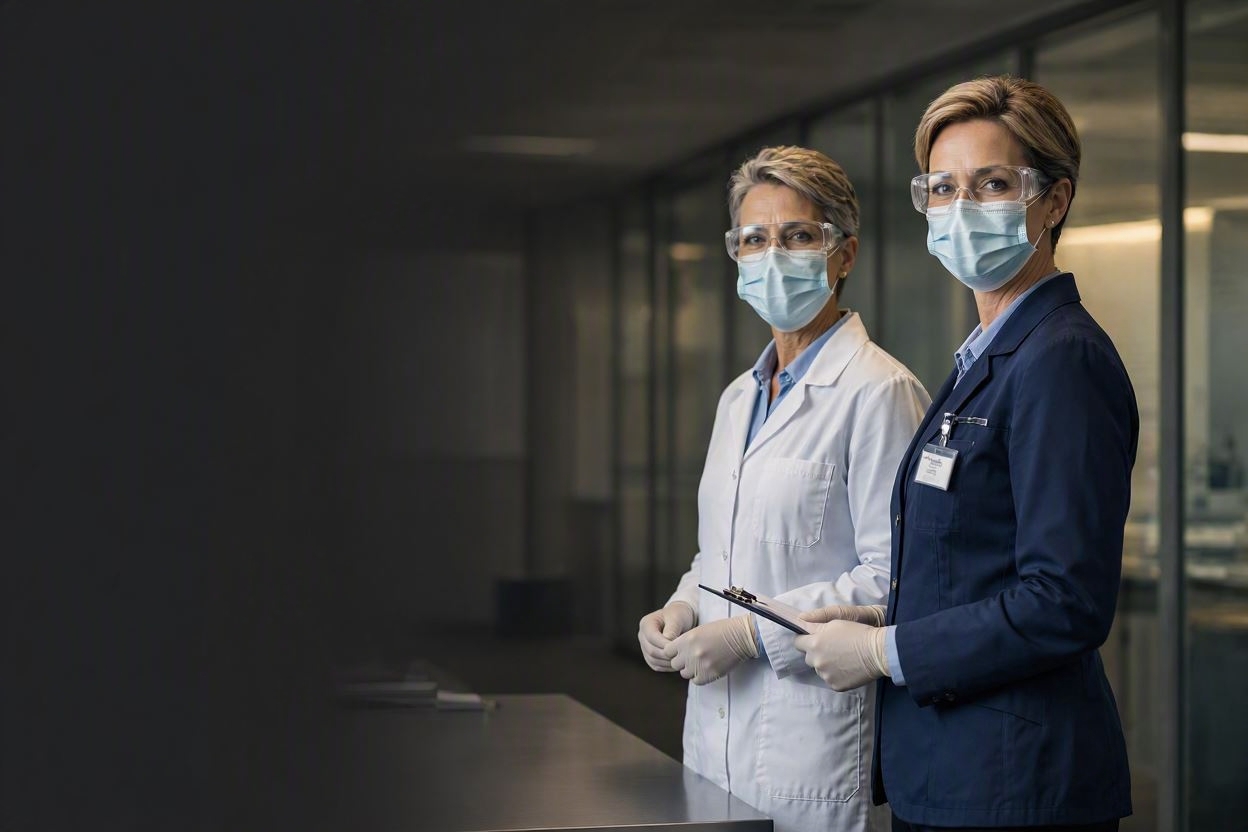
10-hour Healthcare Emergency Department Safety
HEALTHCARE · OCCUPATIONAL SAFETY AND HEALTH PROGRAMS

10-hour Healthcare Hospital ICU Safety
HEALTHCARE · OCCUPATIONAL SAFETY AND HEALTH PROGRAMS
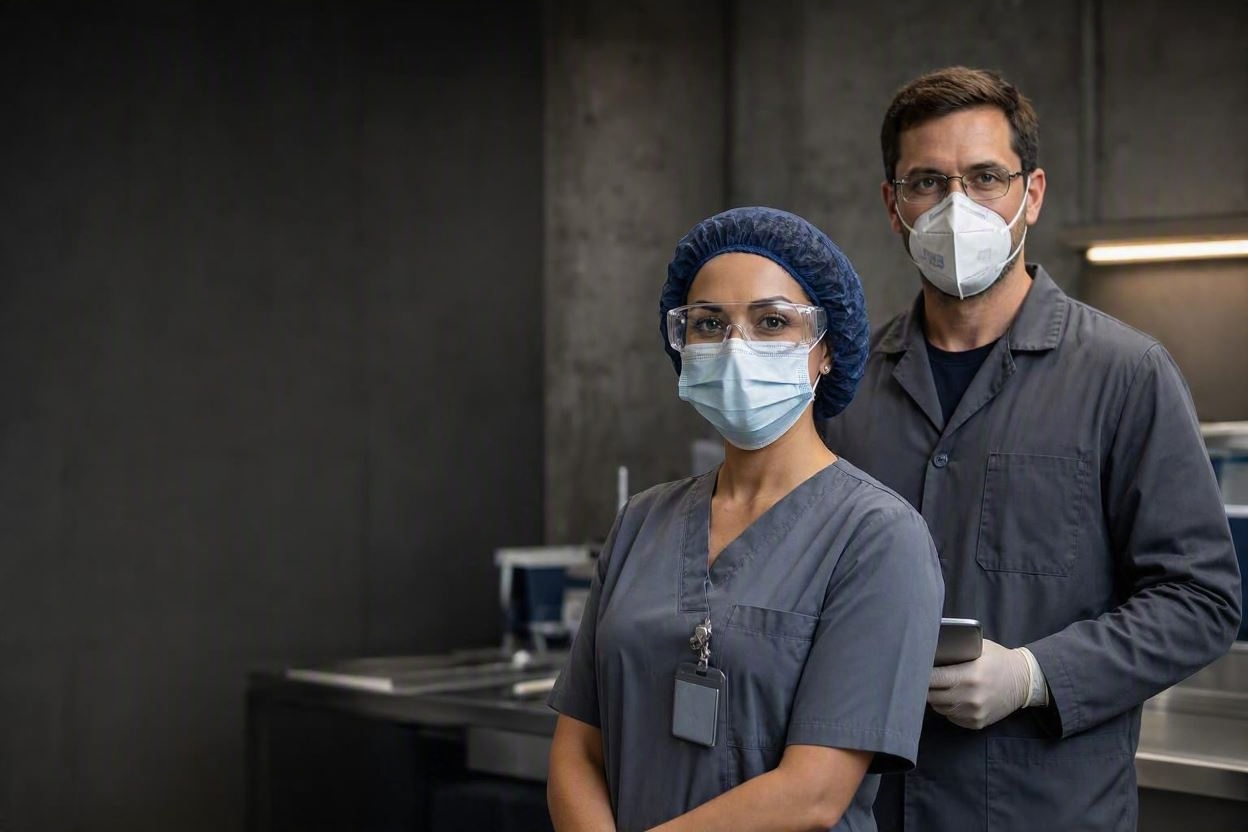
10-hour Healthcare Housekeeping Safety
HEALTHCARE · OCCUPATIONAL SAFETY AND HEALTH PROGRAMS
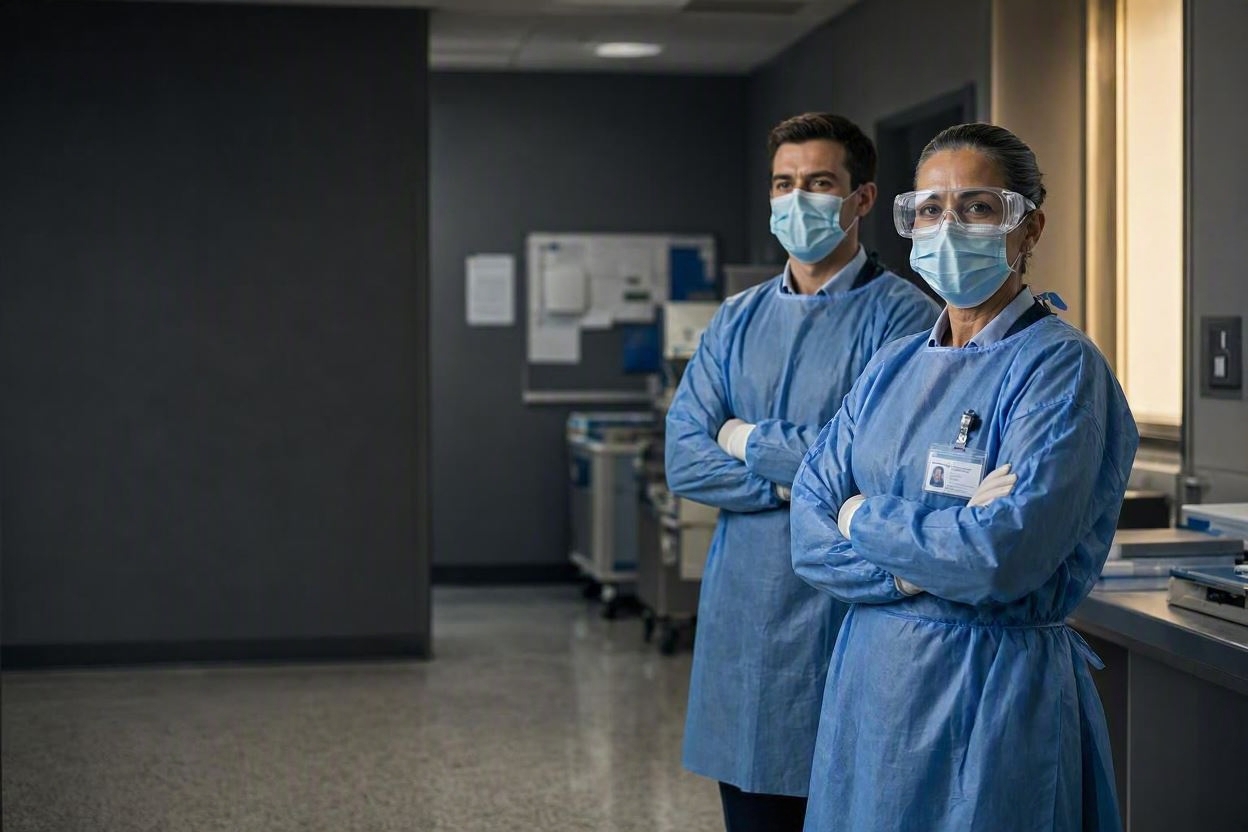
10-hour Healthcare Laundry Safety
HEALTHCARE · OCCUPATIONAL SAFETY AND HEALTH PROGRAMS

10-hour Healthcare Pharmacy Safety
HEALTHCARE · OCCUPATIONAL SAFETY AND HEALTH PROGRAMS

10-hour Healthcare Physical Therapy Safety
HEALTHCARE · OCCUPATIONAL SAFETY AND HEALTH PROGRAMS

10-hour Healthcare Radiology Safety
HEALTHCARE · OCCUPATIONAL SAFETY AND HEALTH PROGRAMS

10-hour Healthcare Sonography Safety
HEALTHCARE · OCCUPATIONAL SAFETY AND HEALTH PROGRAMS
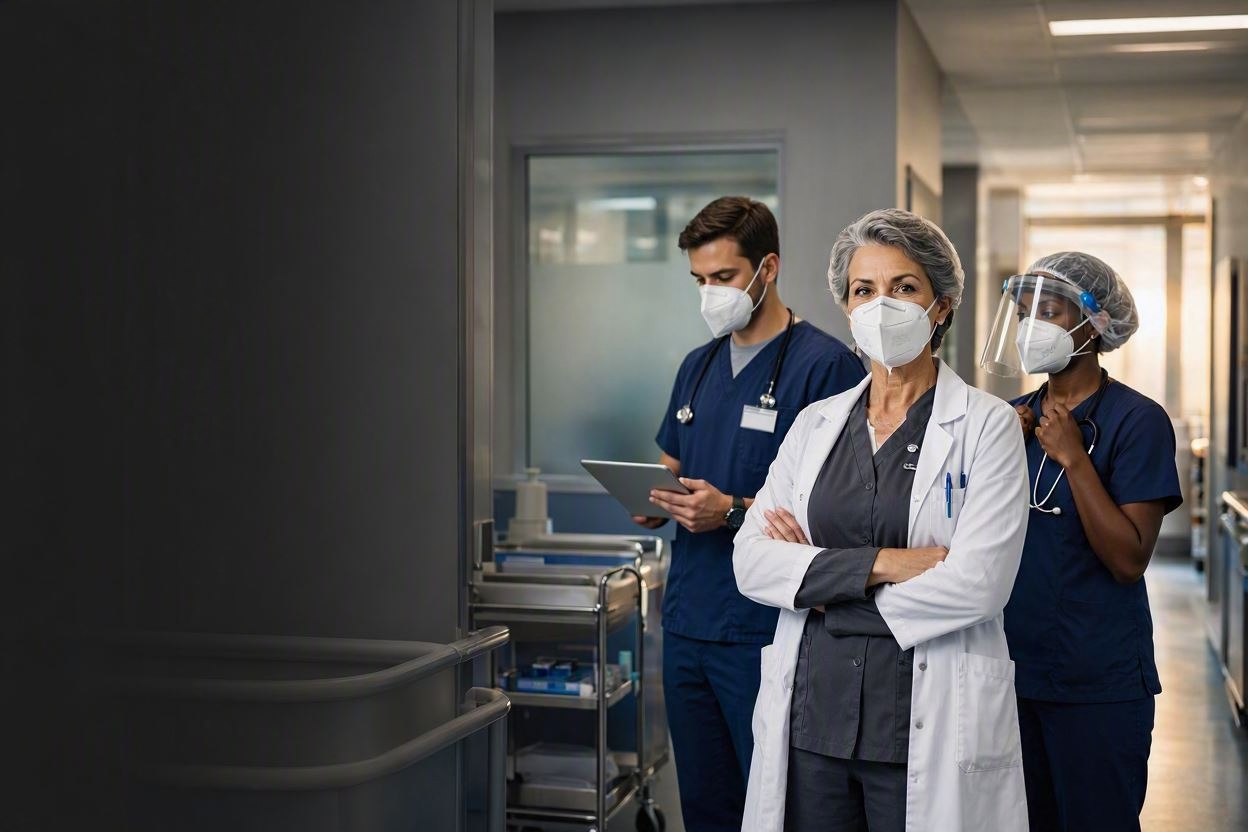
15-hour Healthcare Hospital Safety Specialist
HEALTHCARE · OCCUPATIONAL SAFETY AND HEALTH PROGRAMS
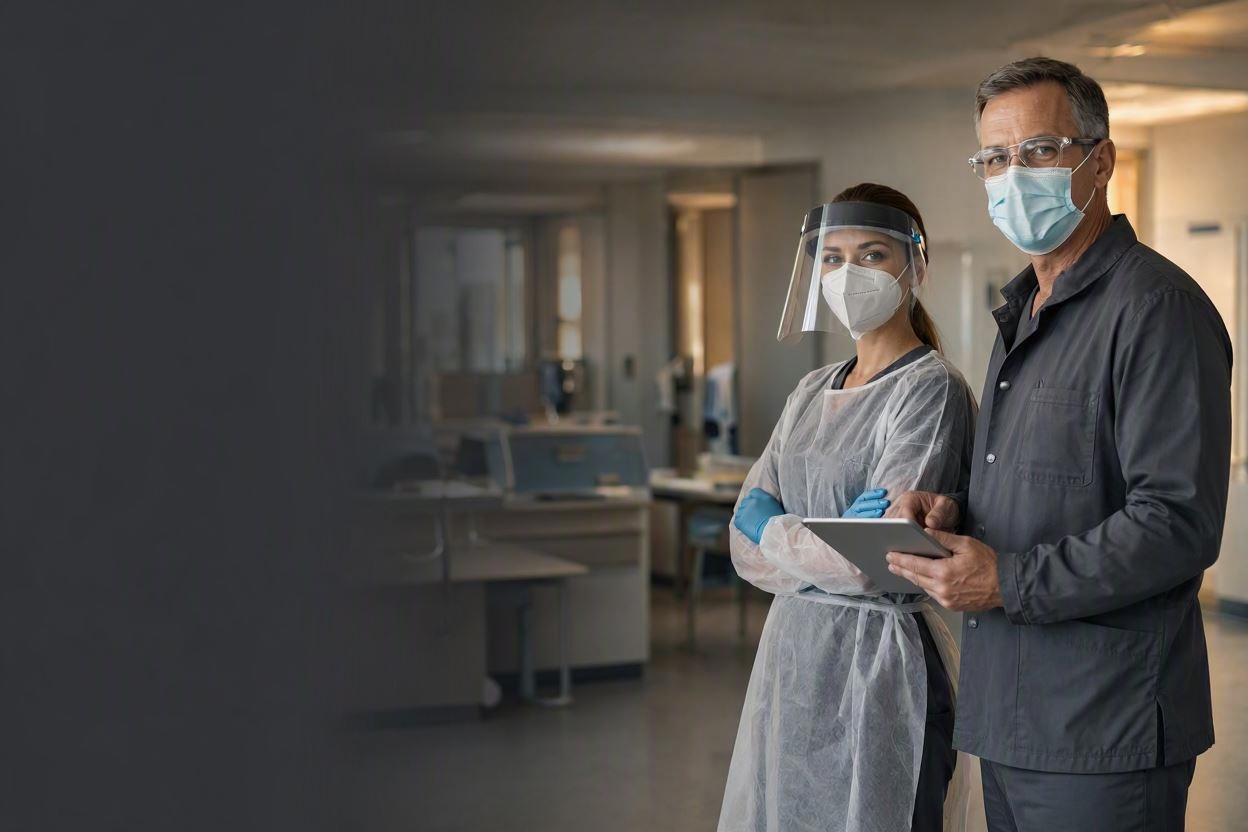
15-hour Healthcare Laboratory Safety
HEALTHCARE · OCCUPATIONAL SAFETY AND HEALTH PROGRAMS
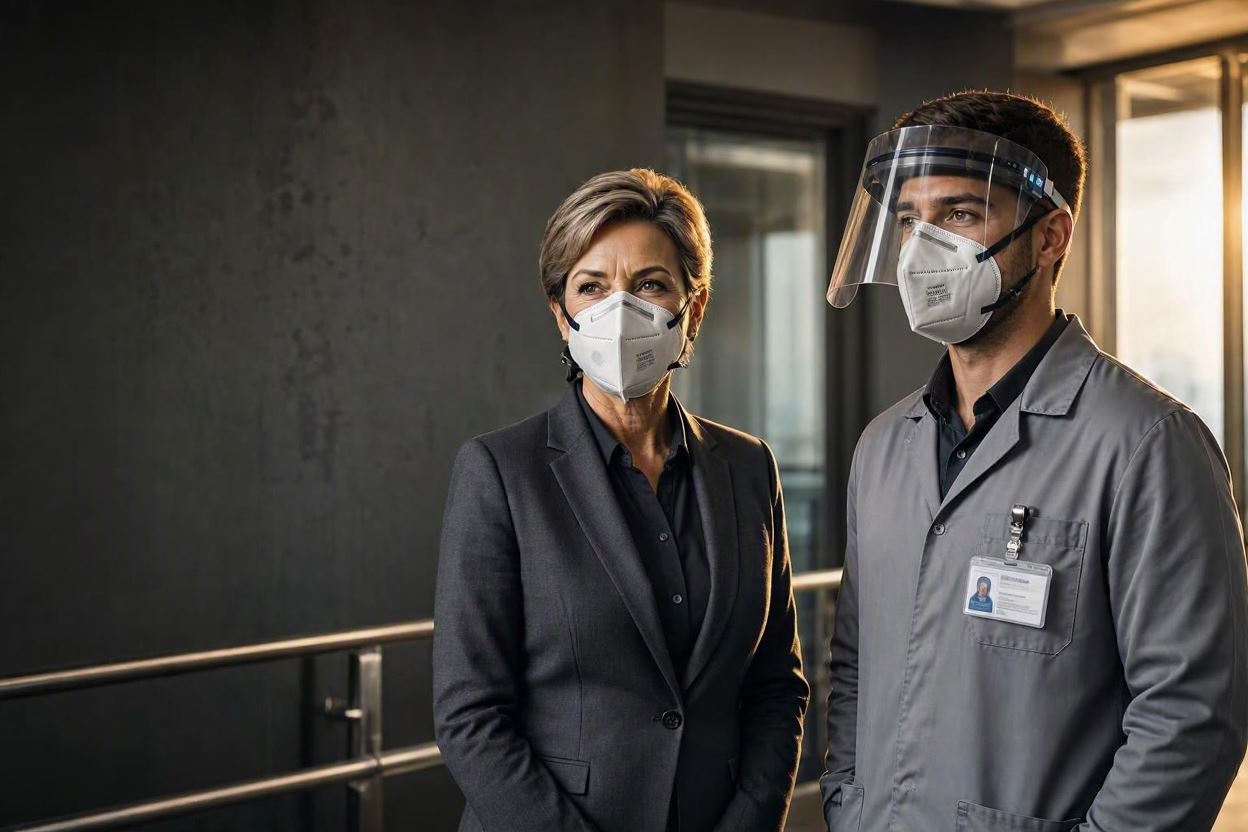
20-hour Healthcare Administration Safety
HEALTHCARE · OCCUPATIONAL SAFETY AND HEALTH PROGRAMS
Occupational Safety in Healthcare Environments
Healthcare safety education can address multiple areas of occupational risk and professional responsibility. Specific subjects, depth of study and learning outcomes depend on the curriculum of each individual IOSHQ healthcare program.
Hazard Recognition
Develop systematic awareness of workplace hazards associated with healthcare activities, environments and occupational exposures.
Exposure Awareness
Build understanding of occupational exposure considerations and the importance of appropriate workplace precautions and controls.
Safe Work Practices
Explore principles relevant to safe procedures, professional responsibilities and consistent workplace practices.
Physical Hazards
Understand principles for recognizing and addressing physical workplace hazards that can affect healthcare personnel.
Inspection & Monitoring
Develop knowledge of workplace observation, documentation and monitoring as components of occupational safety management.
Safety Management
Consider supervisory and management responsibilities for coordinating occupational safety and health within healthcare workplaces.
Safety Across Different Healthcare Work Areas
Healthcare organizations contain diverse departments with different work activities and occupational hazards. Safety education should be considered in relation to the actual environment, responsibilities and exposures of the learner.
Hospital Environments
Explore occupational safety considerations associated with healthcare facilities, clinical activities, support services and hospital operations.
Laboratory Environments
Develop awareness of occupational hazards associated with laboratory materials, equipment, work practices and potential exposures.
Emergency Departments
Consider safety challenges arising from rapidly changing work conditions, urgent activities, equipment and occupational exposures.
Central Supply
Explore workplace safety considerations associated with materials, equipment, handling, storage and healthcare support operations.
Administrative Operations
Understand occupational safety considerations relevant to administrative, management and healthcare support environments.
Support Services
Consider occupational hazards and safety responsibilities across departments supporting healthcare facility operations.
Recognizing Healthcare Workplace Hazards
Healthcare personnel can encounter different types of occupational hazards depending on their work activities and environment. Effective safety education supports systematic hazard recognition and understanding of appropriate control principles.
Biological Hazards
Develop awareness of occupational exposure considerations involving biological materials and healthcare work activities.
Chemical Hazards
Recognize how chemicals, cleaning products, laboratory materials and other substances can create occupational exposure concerns.
Physical Hazards
Understand workplace conditions involving equipment, energy, surfaces and other physical factors capable of causing harm.
Ergonomic Factors
Consider manual handling, patient movement, repetitive activities and workplace design factors that can affect personnel.
Sharps & Equipment
Develop awareness of hazards associated with sharps, instruments and equipment used within healthcare environments.
Slips, Trips & Falls
Recognize how flooring conditions, spills, obstructions, access routes and workplace organization can contribute to fall risk.
Healthcare Laboratory Safety Awareness
Healthcare laboratories can involve biological materials, chemicals, sharps, specialized equipment and other occupational hazards. Appropriate safety education helps personnel understand hazard recognition, work practices and control principles relevant to laboratory environments.
Laboratory Materials
Develop awareness of materials and substances that can require specific handling, storage and workplace precautions.
Laboratory Equipment
Consider occupational hazards associated with equipment, instruments and routine laboratory activities.
Exposure Control
Understand the importance of appropriate precautions and control measures for occupational exposure hazards.
Safety in Fast-Changing Healthcare Environments
Emergency departments combine urgent patient-care activities with rapidly changing workplace conditions. Occupational safety awareness can support personnel in recognizing hazards, understanding workplace controls and maintaining safe practices in demanding environments.
Dynamic Conditions
Recognize how changing activities, workload and workplace conditions can influence occupational safety risk.
Equipment & Work Areas
Consider occupational hazards associated with equipment, access routes, work areas and emergency-care activities.
Communication
Understand the role of clear communication, procedures and coordinated responsibilities in maintaining workplace safety.
Safety in Healthcare Central Supply Operations
Central supply and related healthcare support operations can involve material handling, storage, equipment, workplace organization and other occupational safety considerations. Structured learning helps personnel recognize these hazards and understand relevant preventive practices.
Storage & Materials
Consider workplace safety principles relevant to storage arrangements, supplies and material handling.
Material Movement
Develop awareness of occupational risks associated with moving, lifting and positioning supplies and equipment.
Workplace Organization
Understand how organized work areas, clear access and consistent procedures can support safer operations.
Develop Healthcare Safety Knowledge
Healthcare safety education can support progression from recognizing occupational hazards to understanding controls, applying safer work practices and contributing to workplace safety management.
Recognize
Identify workplace conditions, activities and occupational hazards relevant to healthcare environments.
Understand
Develop knowledge of safety principles, risk factors, responsibilities and appropriate control concepts.
Apply
Connect occupational safety knowledge with workplace practices, procedures and professional responsibilities.
Improve
Support continued development of workplace safety awareness, systems and professional practice.
Healthcare Safety and Risk Management
Effective occupational safety practice requires a structured approach to understanding workplace hazards and controls. Professional education can strengthen the knowledge used to participate in workplace risk management activities.
Identify Hazards
Recognize occupational hazards and workplace conditions that can require further evaluation or control.
Consider Risk
Understand principles for considering potential consequences, occupational exposure and workplace significance.
Support Controls
Develop understanding of control principles and the importance of maintaining appropriate workplace safeguards.
Healthcare Safety Training by Professional Level
Occupational safety responsibilities vary according to role and professional responsibility. IOSHQ’s professional development framework provides a structure for considering learning at different career stages.
Employee & Supervisor
Develop foundational workplace safety knowledge and additional understanding relevant to frontline supervisory responsibilities.
Specialist & Manager
Advance knowledge relevant to specialist safety functions, coordination, management and organizational responsibilities.
Professional & Trainer
Support advanced professional development and applicable responsibilities involving safety leadership or professional education.
Healthcare Safety Training for Organizations
Healthcare organizations can discuss structured workforce development with IOSHQ according to identified occupational safety and health learning requirements, workforce roles and available educational options.
Corporate Training
Coordinate professional safety learning for personnel as part of a wider organizational development approach.
Training Needs Analysis
Identify learning priorities and workforce development requirements before selecting an appropriate training pathway.
Group Training
Coordinate structured learning for groups of personnel with related occupational safety development requirements.
Choosing a Healthcare Safety Program
The appropriate healthcare safety program depends on professional responsibilities, workplace environment, existing knowledge, learning objectives and the published requirements of the individual program.
Professional Role
Consider your current position, workplace responsibilities and the type of occupational safety knowledge relevant to your role.
Work Environment
Consider whether your responsibilities relate to hospital operations, laboratories, emergency departments, central supply or other healthcare environments.
Learning Objective
Determine whether you need broad healthcare safety education or learning focused on a particular department or occupational safety subject.
Program Curriculum
Review the individual program’s learning objectives, curriculum, duration and applicable assessment requirements.
Entry Requirements
Confirm applicable entry requirements and other published program information before beginning enrollment.
External Requirements
If training is required by an employer, regulator, contract, professional body or other external party, confirm its requirements before enrollment.
A Structured Route Through Healthcare Safety Education
Select an appropriate IOSHQ healthcare safety program and progress through the learning, assessment and completion requirements applicable to the selected program.
Identify
Consider your healthcare environment, professional responsibilities, existing knowledge and learning objective.
Select
Choose a healthcare safety program aligned with the appropriate subject scope and level of study.
Learn
Complete the courses and structured learning activities included within the selected program.
Assess
Complete applicable assessments and other academic requirements assigned to the program.
Complete
Satisfy the defined requirements applicable to successful program completion.
Connect Healthcare Safety With Broader OSH Knowledge
Healthcare safety forms part of the wider occupational safety and health discipline. Learners can continue into broader IOSHQ pathways according to their responsibilities and professional development objectives.
Occupational Safety & Health
Explore broader OSH programs addressing workplace hazards, occupational health, risk controls and professional responsibilities.
Professional Development
Explore structured professional development pathways aligned with different levels of occupational safety and health responsibility.
Safety Resources
Continue developing occupational safety and health knowledge through IOSHQ educational resources and subject-focused information.
Healthcare Safety Programs and Academic Quality
IOSHQ healthcare safety programs operate within the Institute’s wider academic framework. Applicable learning, assessment, completion and credential requirements are governed by institutional standards and policies.
Academic Quality
IOSHQ maintains institutional processes supporting program development, structured learning, assessment and educational quality.
Assessment & Completion
Learners must satisfy the assessment and completion requirements applicable to their selected healthcare program.
Credentials
Applicable credentials and records are administered according to IOSHQ certificate and credential processes.
Understand the Scope of Healthcare Safety Education
IOSHQ healthcare programs provide structured occupational safety and health education and professional development. Individual program pages should be reviewed for applicable curriculum, duration, assessment and completion requirements.
Education & Development
Program completion documents achievement of applicable IOSHQ educational requirements and should be understood within the published scope of the individual program.
Clinical & Technical Competency
Healthcare safety education does not replace clinical qualifications, technical competency requirements, workplace authorization or task-specific practical training where these are required.
Applicable Requirements
Regulatory, employer, licensing, contractual and professional requirements can differ by jurisdiction and activity. Confirm requirements applicable to your workplace and intended use of the training.
Healthcare Safety and Health Programs FAQ
Common questions about IOSHQ healthcare safety programs, professional development and program selection.
IOSHQ healthcare safety programs are professional education pathways focused on occupational safety and health knowledge relevant to healthcare and related work environments. Specific content and requirements depend on the individual program.
Depending on the program, learning can address occupational hazards, exposure awareness, risk controls, workplace practices, monitoring and safety management. The individual program curriculum provides the confirmed scope.
Healthcare safety education can be relevant to personnel seeking occupational safety and health knowledge connected to their workplace responsibilities. Learners should review each program’s intended level and entry requirements before enrollment.
IOSHQ’s healthcare program catalog can include laboratory-focused safety education. Use the program directory on this page to review currently published programs assigned to the Healthcare category.
Healthcare programs can include learning focused on hospital safety and occupational hazards relevant to healthcare facilities. Review the currently published program catalog above for available options.
The Healthcare category can include safety education focused on emergency department environments. Program availability and exact curriculum should be confirmed through the individual program record.
The Healthcare category can include education addressing central supply safety and related healthcare support operations. Use the catalog above to review currently published programs.
Consider your professional responsibilities, healthcare environment, existing knowledge and learning objectives. Then review the individual program’s curriculum, duration, entry requirements and applicable assessment requirements.
Yes. Program duration depends on the learning scope and curriculum of the individual program. Review the applicable program page for its published learning hours.
Organizations can contact IOSHQ to discuss workforce development, group training and occupational safety learning requirements. Appropriate options depend on program availability and identified learning needs.
Not necessarily. Clinical activities, specialized equipment and particular workplace tasks can require additional qualifications, practical training, competency assessment, workplace orientation or employer authorization.
Use the Healthcare program catalog on this page to browse currently published programs. Each individual program record provides its specific curriculum, duration and applicable requirements.
Develop Your Healthcare Safety Knowledge
Explore IOSHQ healthcare safety and health programs and identify a professional development pathway appropriate to your workplace responsibilities, healthcare environment and learning objectives.