Safety Performance Conversations: A Practical Guide for Leaders and Supervisors
Safety performance conversations help leaders and supervisors connect workplace expectations with actual working conditions. Effective conversations explore hazards, controls, decisions, concerns and improvement opportunities while giving workers meaningful opportunities to contribute their knowledge and experience.
What Are Safety Performance Conversations?
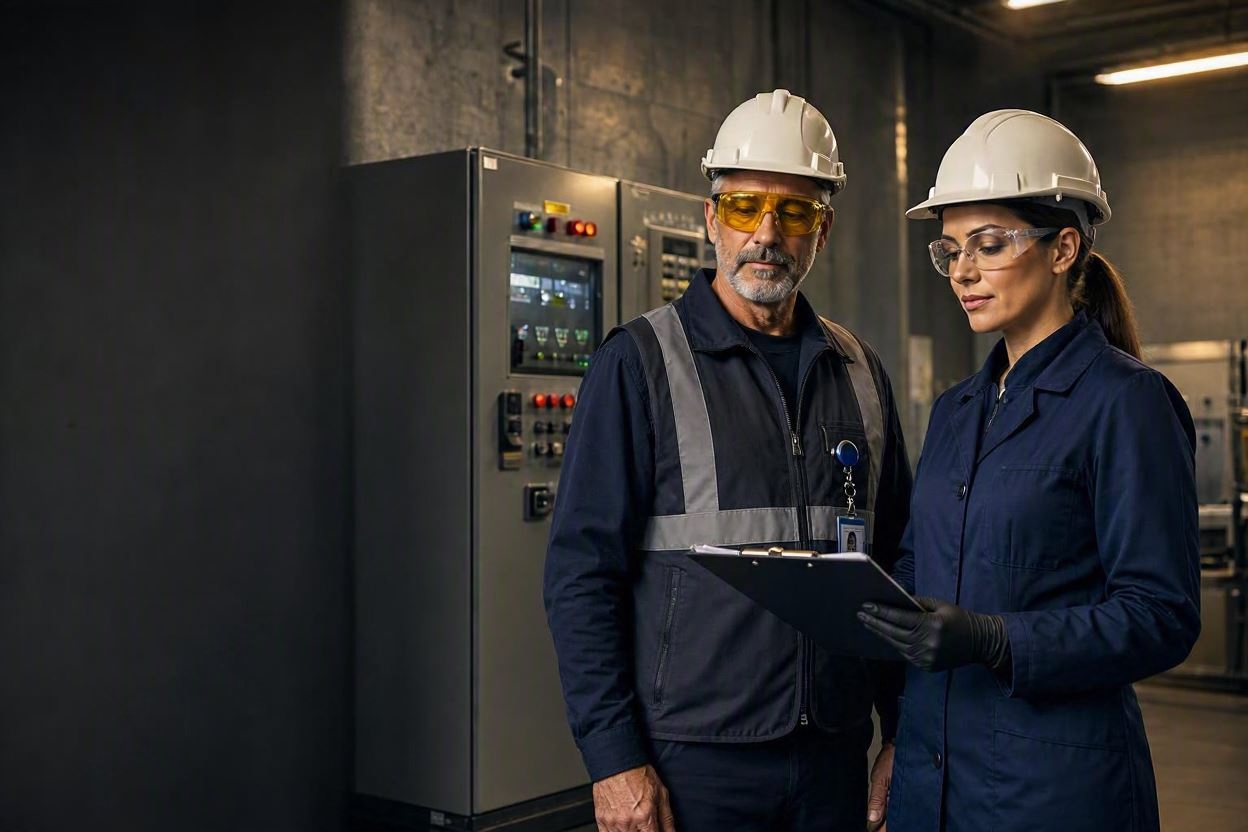
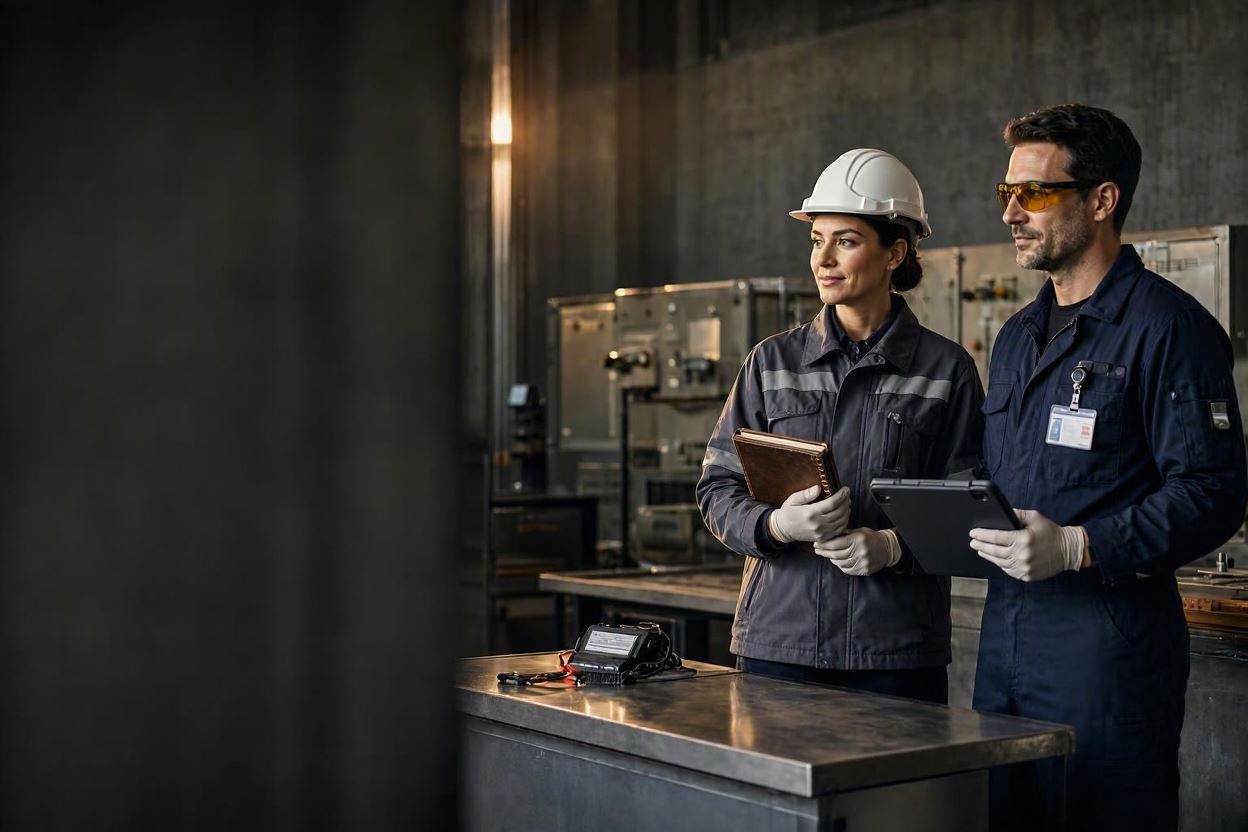
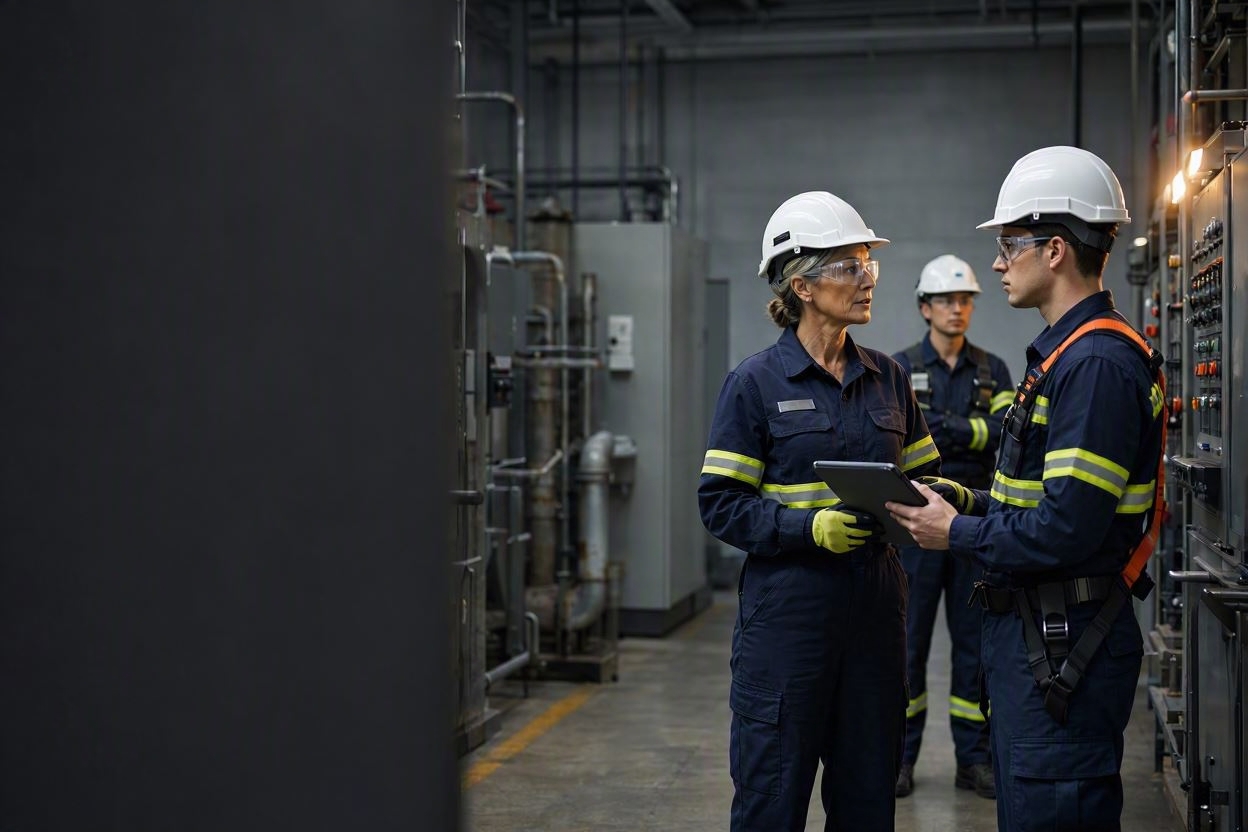
Safety performance conversations are purposeful discussions between leaders, supervisors and workers about how occupational safety is being managed in actual work.
They may address hazards, risk controls, responsibilities, work practices, changing conditions, positive performance or areas requiring improvement.
The objective is not simply to deliver instructions. Effective conversations create two-way communication that helps leaders understand workplace conditions while ensuring expectations remain clear.
Why Safety Performance Conversations Matter
Formal procedures cannot anticipate every condition encountered during work.
Workers often have direct knowledge of hazards, equipment behavior, practical control difficulties and changing conditions. Safety performance conversations provide an opportunity to connect this knowledge with leadership expectations and organizational risk management.
They can also help identify uncertainty before it contributes to an incident or control failure.
What Makes a Safety Performance Conversation Effective?
Two-Way Discussion
Leaders communicate expectations while also asking questions and listening to information from the people performing the work.
Specific Focus
The conversation addresses observable work, relevant hazards, controls and responsibilities rather than vague statements about being safe.
Follow-Through
Significant concerns and agreed actions receive appropriate ownership, escalation and review after the conversation.
Prepare Before Discussing Safety Performance
Leaders should understand the work sufficiently before discussing its safety performance.
Relevant preparation may include reviewing the task, significant hazards, required controls, recent changes, previous concerns or applicable responsibilities.
Preparation helps keep the conversation connected to actual risk rather than turning it into a generic safety discussion.
Discuss How the Work Is Actually Performed
A useful conversation begins with the task and the conditions under which it is being performed.
Leaders can ask workers to describe the activity, important hazards, required controls and conditions that could make the work more difficult or less predictable.
This helps compare formal expectations with actual workplace practice without assuming in advance that the two are identical.
Use Open Questions to Understand Safety Performance
Questions that invite explanation can reveal information that simple yes-or-no checks may miss.
Leaders might ask which hazards require the most attention, which controls are most important, what conditions make the task difficult and what has changed since the work was planned.
The purpose is to understand the work and identify relevant risk information, not to test whether a worker can guess the answer a manager expects.
Listen Before Reaching Conclusions
Effective safety performance conversations require leaders to listen carefully to the information workers provide.
A concern that initially appears minor may reveal a recurring control weakness, equipment problem or conflict between planned work and actual conditions.
Leaders should understand the issue before deciding what action, clarification or escalation is appropriate.
Use Safety Conversations to Strengthen Worker Participation
Workers should have meaningful opportunities to contribute information about hazards, controls and improvement opportunities.
A safety conversation can provide one such opportunity when leaders actively seek worker knowledge rather than using the interaction only to deliver instructions.
Important information identified during the discussion should connect with the organization’s established reporting, risk assessment and improvement processes.
Recognize Effective Safety Practices
Safety performance conversations do not need to focus exclusively on deficiencies.
Leaders can recognize situations where workers identify hazards, maintain important controls, communicate changing conditions or contribute useful improvements.
Specific recognition helps reinforce the practices that support effective risk management without relying on vague praise.
Address Safety Performance Gaps Constructively
When performance differs from an established requirement, leaders should understand why before deciding how to respond.
The issue may involve knowledge, competence, equipment, work design, supervision, conflicting priorities or other conditions influencing performance.
Understanding these factors helps distinguish between issues requiring individual clarification and problems requiring broader organizational action.
Make Risk Controls Central to Safety Performance Conversations
Conversations should focus on whether important controls are understood, available and functioning as intended.
Leaders can ask workers which controls are most important, how they know those controls are working and what happens when a required control becomes unavailable.
This keeps the discussion connected to risk reduction rather than focusing only on individual behavior.
Connect Safety Conversations With Clear Accountability
Workers and supervisors should understand the responsibilities associated with their roles.
Where an expectation is not being met, leaders should clarify the required standard and determine whether the person has the authority, competence and resources necessary to meet it.
Accountability should be proportionate and should consider the conditions influencing workplace performance.
Make Safety Performance Conversations Safe for Speaking Up
Workers may hesitate to raise concerns if every safety discussion feels like an evaluation of personal performance.
Leaders should distinguish between asking about the work and searching for someone to blame.
Constructive conversations allow workers to communicate uncertainty, mistakes and control difficulties while maintaining appropriate responsibility for workplace conduct.
Discuss the Conditions That Influence Performance
Workplace performance is influenced by more than individual motivation.
Workload, fatigue, equipment design, procedures, staffing, competence, supervision and operational pressure can affect how tasks are performed.
Safety conversations should consider these conditions where they are relevant to the observed performance or reported concern.
Develop Supervisor Capability for Safety Conversations
Supervisors frequently discuss performance directly with workers and therefore have an important role in day-to-day safety leadership.
They should be able to communicate expectations, ask useful questions, recognize significant hazards and determine when an issue needs escalation.
Organizations should not assume that technical competence automatically provides the communication skills needed for effective safety performance conversations.
Use Safety Conversations During Leadership Walks
Workplace visits provide leaders with opportunities to discuss actual conditions with workers and supervisors.
Rather than concentrating only on visible deficiencies, leaders can ask about hazards, controls, recent changes and difficulties encountered during the work.
The value of these conversations depends on whether important information influences subsequent decisions and actions.
Increase Safety Conversations During Workplace Change
Changes to equipment, processes, staffing or organizational arrangements can create uncertainty and unexpected conditions.
Leaders and supervisors should discuss how the change is functioning in practice and whether workers have identified new hazards or control difficulties.
Early conversations can provide information needed to correct problems before new arrangements become established practice.
Include Contractors in Relevant Safety Conversations
Contractor workers may have important information about task hazards, controls and changing conditions.
Where contractor and host activities interact, relevant safety conversations should support communication across organizational boundaries.
Leaders should ensure that contractor concerns can reach the people responsible for coordinating and controlling the work.
Use Incident Learning to Improve Future Conversations
Incidents and near misses can reveal topics that were not being discussed effectively before the event.
Leaders should consider whether workers understood the hazards, whether control problems were known and whether previous concerns reached the appropriate decision makers.
These lessons can improve the questions leaders ask and the information they seek during future workplace conversations.
Close the Loop After Safety Performance Conversations
A conversation loses credibility when significant concerns repeatedly disappear without explanation or action.
Issues requiring action should have appropriate ownership and escalation, and workers should receive relevant feedback where practical.
Closing the loop helps connect workplace communication with actual risk management and organizational improvement.
Make Safety Conversations Part of Normal Leadership
Safety performance conversations are most useful when they are integrated into normal management and supervision rather than reserved only for incidents or formal reviews.
They can occur during work planning, workplace visits, shift discussions, control verification and other appropriate interactions.
The frequency and depth of conversation should reflect the work, hazards and organizational context.
Use Safety Conversations to Improve Leadership Decisions
Information gathered through workplace conversations can help leaders understand where operational assumptions differ from actual conditions.
Recurring concerns may indicate a need to reconsider resources, schedules, equipment, procedures or control strategies.
The conversation becomes more valuable when relevant information influences decisions rather than remaining isolated at the supervisory level.
Safety Performance Conversations Shape Safety Culture
Repeated conversations show workers what leaders pay attention to and how they respond to safety information.
When leaders ask meaningful questions, listen to concerns and follow through appropriately, everyday interactions can reinforce formal safety expectations.
When conversations focus only on blame, compliance statistics or superficial observations, they may provide less useful information about actual workplace risk.
A Practical Safety Performance Conversation Framework
A simple structure can help leaders keep conversations focused on work, risk and improvement.
Observe
Understand the task, workplace conditions, relevant hazards and controls before reaching conclusions about performance.
Ask & Listen
Use open questions and listen to how workers describe the work, risks, controls and practical difficulties.
Clarify
Reinforce effective practices, clarify expectations and identify issues requiring correction, support or escalation.
Follow Through
Assign appropriate actions, communicate relevant decisions and verify that significant issues are addressed.
Common Safety Performance Conversation Mistakes
Talking Without Listening
A one-way lecture can miss valuable information about hazards, control weaknesses and actual workplace conditions.
Starting With Blame
Premature blame can prevent leaders from understanding the work conditions and organizational factors influencing performance.
No Follow-Through
Repeatedly discussing problems without resolving significant issues can weaken confidence in future safety conversations.
Safety Performance Conversations Should Improve Understanding and Action
Safety performance conversations are an important part of practical safety leadership. They help leaders understand actual workplace conditions while giving workers opportunities to discuss hazards, controls, uncertainty and improvement.
The strongest conversations are specific, two-way and connected to follow-through. Leaders should listen before reaching conclusions, maintain clear accountability and ensure significant information contributes to better controls and better workplace decisions.
Explore Safety Leadership Resources
Continue learning about leadership communication, worker participation, accountability and workplace risk management through the IOSHQ Knowledge Center.