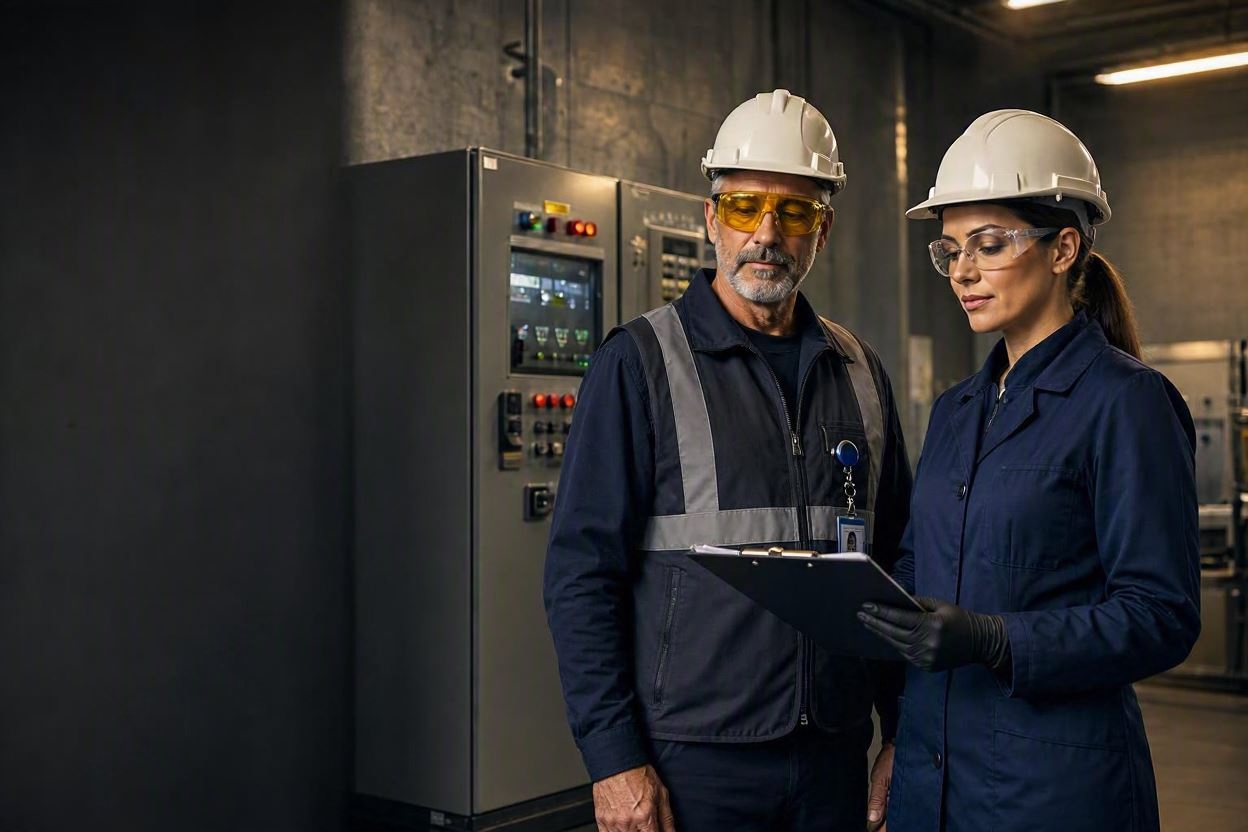
Visible Safety Leadership: A Practical Guide to Effective Leadership in the Workplace
Visible safety leadership connects leaders with the conditions under which work is actually performed. Purposeful workplace engagement can help leaders understand hazards, hear worker concerns, observe important controls and identify organizational barriers that may not be apparent from reports and meetings alone.
What Is Visible Safety Leadership?
Visible safety leadership means leaders actively engage with workplace safety beyond formal meetings, reports and management systems.
This may include visiting work areas, speaking with workers and supervisors, observing actual conditions, discussing significant hazards and reviewing how important controls function in practice.
Visibility should have a clear purpose. Simply being physically present in a workplace does not by itself demonstrate effective safety leadership.
Why Visible Safety Leadership Matters
Management information can provide valuable evidence about safety performance, but reports do not always show how work is actually performed.
Workplace engagement gives leaders opportunities to compare formal arrangements with operational conditions and hear directly from people performing the work.
This can improve leadership understanding of hazards, control difficulties, changing conditions and organizational decisions that affect workplace risk.
What Effective Visible Safety Leadership Looks Like
Observe
Understand actual workplace conditions, significant hazards and how important controls are being applied.
Engage
Ask workers and supervisors relevant questions and listen carefully to practical information about the work.
Follow Through
Ensure significant issues identified through leadership engagement receive appropriate evaluation and action.
What Is a Safety Leadership Walk?
A safety leadership walk is a structured or semi-structured workplace visit intended to improve leadership understanding of safety conditions and engage with the people performing or supervising work.
It can focus on significant hazards, critical controls, worker concerns, recent changes or broader operational conditions.
A leadership walk should complement formal inspections and risk management processes rather than replace them.
Prepare Before a Safety Leadership Walk
Preparation helps leaders focus workplace engagement on meaningful issues rather than conducting an unfocused tour.
Leaders may review significant risks, recent incidents, outstanding actions, planned work, operational changes or control concerns before entering the work area.
The level of preparation should reflect the workplace and purpose of the visit without making the interaction so scripted that important unexpected information is missed.
Understand Work as It Is Actually Performed
Procedures and risk assessments describe how work is expected to occur, but workplace conditions may reveal practical differences.
Leaders should seek to understand why these differences exist rather than immediately assuming that every variation represents careless behavior.
Equipment limitations, task design, workload, conflicting procedures or changing conditions may influence how work is performed.
Use Visible Leadership to Understand Workplace Hazards
Leadership visits can provide additional opportunities to identify hazards and understand how workers interact with them.
Leaders should pay particular attention to conditions that could result in serious harm, recurring problems and hazards created by interactions between different activities.
Observations should feed into established hazard identification and risk management processes where further assessment is required.
Discuss How Risk Controls Work in Practice
A control may exist on paper while being difficult to use, unavailable under certain conditions or less effective than expected.
Leadership engagement can help identify these differences by combining observation with worker and supervisor knowledge.
Where a control problem is identified, leaders should ensure it is evaluated through the appropriate risk management process rather than relying on informal assumptions.
Focus Leadership Attention on Critical Controls
Leadership visibility can be particularly useful when it helps verify understanding of controls intended to prevent or mitigate serious events.
Leaders can ask how critical controls are verified, what conditions could weaken them and what happens when a required control is unavailable.
The objective is not to replace competent technical verification but to understand whether important control arrangements are receiving appropriate operational attention.
Use Safety Walks to Listen to Workers
Workers can provide information about hazards, equipment, task difficulties and changing conditions that may not reach leadership through formal reports.
Leaders should create enough space in workplace conversations for workers to describe what makes the job difficult and where controls could be improved.
Listening should be followed by appropriate consideration and feedback when significant issues are raised.
Ask Better Questions During Safety Leadership Walks
Open questions can help leaders understand workplace conditions without turning every interaction into an interrogation.
Useful topics include significant hazards, important controls, recent changes, recurring difficulties and conditions that could make the task unsafe.
Questions should encourage meaningful discussion rather than simply seeking the answer the leader expects to hear.
Make Leadership Conversations Two-Way
Visible leadership should not become another channel for delivering one-way safety messages.
Leaders can communicate expectations while also asking questions, receiving concerns and learning from workers and supervisors.
Two-way communication makes workplace engagement more useful for understanding risk and identifying improvement opportunities.
Engage Supervisors During Workplace Visits
Supervisors can provide important context about staffing, work coordination, equipment condition and operational pressures.
Leadership visits should support supervisors in identifying and escalating problems rather than encouraging them to hide difficulties before senior management arrives.
Recurring supervisory concerns may indicate issues that require decisions or resources at a higher organizational level.
Avoid Turning Safety Walks Into Fault-Finding Exercises
Workplace engagement can become ineffective if workers expect every leadership visit to focus on finding individual mistakes.
Unsafe conditions and behaviors should be addressed appropriately, but leaders should also seek to understand the factors influencing what they observe.
This may reveal weaknesses in equipment, procedures, staffing, communication or control design that require organizational action.
Lead by Example During Workplace Visits
Leaders should follow the safety requirements that apply to them while visiting operational areas.
Ignoring access requirements, protective measures or other controls during a safety walk can undermine the purpose of the visit.
Leadership behavior should remain consistent with the expectations communicated to workers and supervisors.
Look for Changes That May Affect Risk
Workplace visits can help leaders identify changes that have not yet been fully reflected in formal documentation.
These may include changes in equipment condition, staffing, work sequence, temporary arrangements or interactions between activities.
Significant changes should be evaluated through appropriate risk assessment or management of change arrangements.
Look for Operational Pressure and Conflicting Priorities
Workers and supervisors may experience pressures that are difficult to see from management reports.
Leadership engagement can help identify unrealistic schedules, resource constraints or conflicting expectations that make required controls difficult to maintain.
Where these conditions are identified, leaders should examine the underlying organizational decisions rather than expecting front-line personnel to absorb the conflict.
Recognize Effective Safety Practices
Visible leadership should not focus exclusively on deficiencies.
Leaders can recognize thoughtful planning, effective hazard reporting, strong control implementation and other practices that support safer work.
Recognition should reinforce meaningful practices rather than encourage superficial activity or discourage honest reporting of problems.
Record Significant Issues and Assign Ownership
Important issues identified during leadership engagement should not depend on memory or informal promises.
Where action is required, organizations should establish suitable ownership, priority and follow-up arrangements.
The amount of documentation should remain proportionate to the significance of the issue rather than turning every conversation into unnecessary administration.
Close the Loop After a Safety Leadership Walk
Follow-through is one of the most important parts of visible safety leadership.
Workers may lose confidence in leadership visits when they repeatedly raise concerns without receiving feedback or seeing appropriate action.
Leaders should ensure significant findings are evaluated and communicate relevant outcomes to the people affected.
Safety Leadership Walks Are Not the Same as Inspections
A formal workplace inspection generally follows defined criteria to identify hazards, deficiencies or compliance issues.
A leadership walk can have a broader purpose that includes understanding work, discussing controls, hearing concerns and examining organizational conditions.
Both approaches can be valuable, but organizations should avoid assuming that an informal leadership visit replaces a required inspection or technical verification process.
How Often Should Leaders Visit the Workplace?
There is no single frequency suitable for every organization.
The appropriate level of leadership engagement depends on factors such as operational risk, organizational structure, work locations, significant changes and the leader’s responsibilities.
Consistency is more useful than occasional high-profile visits that have little connection with normal management practice.
Use Workplace Engagement to Improve Safety Decisions
Information gathered during workplace engagement should inform leadership decisions where relevant.
Recurring concerns about equipment, staffing, maintenance or procedures may indicate broader issues requiring management attention.
Leadership visibility becomes more valuable when workplace information influences resource allocation, risk priorities and improvement decisions.
Visible Safety Leadership and Safety Culture
Workplace interactions contribute to how workers interpret leadership priorities.
Leaders who listen, respect controls and follow through on significant issues reinforce formal safety expectations through practical behavior.
Visibility alone is not sufficient. Workplace engagement should be supported by consistent leadership decisions, resources and accountability.
A Practical Visible Safety Leadership Framework
Effective workplace engagement connects leadership presence with observation, meaningful discussion, action and organizational learning.
Prepare
Understand significant risks, current work, recent changes and issues that may warrant leadership attention.
Observe & Engage
Visit the workplace, observe actual conditions and discuss hazards and controls with workers and supervisors.
Evaluate & Act
Assess significant information, assign appropriate actions and escalate matters requiring additional authority or resources.
Follow Through
Track important issues, communicate outcomes and use workplace learning to strengthen future decisions.
Common Visible Safety Leadership Mistakes
Visibility Without Purpose
High-profile workplace visits have limited value when leaders do not seek meaningful information or connect observations with decisions.
Searching Only for Faults
Focusing exclusively on individual errors can prevent leaders from understanding the system conditions influencing workplace performance.
No Follow-Through
Repeatedly collecting concerns without appropriate action or feedback can weaken confidence in leadership engagement.
Visible Safety Leadership Must Connect Presence With Action
Visible safety leadership is most effective when workplace presence improves leadership understanding of actual work, significant hazards and control performance.
Leaders should use workplace engagement to listen, observe, ask useful questions and identify conditions requiring organizational attention. The value of the activity ultimately depends on whether significant information influences decisions and receives appropriate follow-through.
Explore Safety Leadership Resources
Continue learning about visible leadership, workplace engagement, safety accountability and risk-informed leadership through the IOSHQ Knowledge Center.