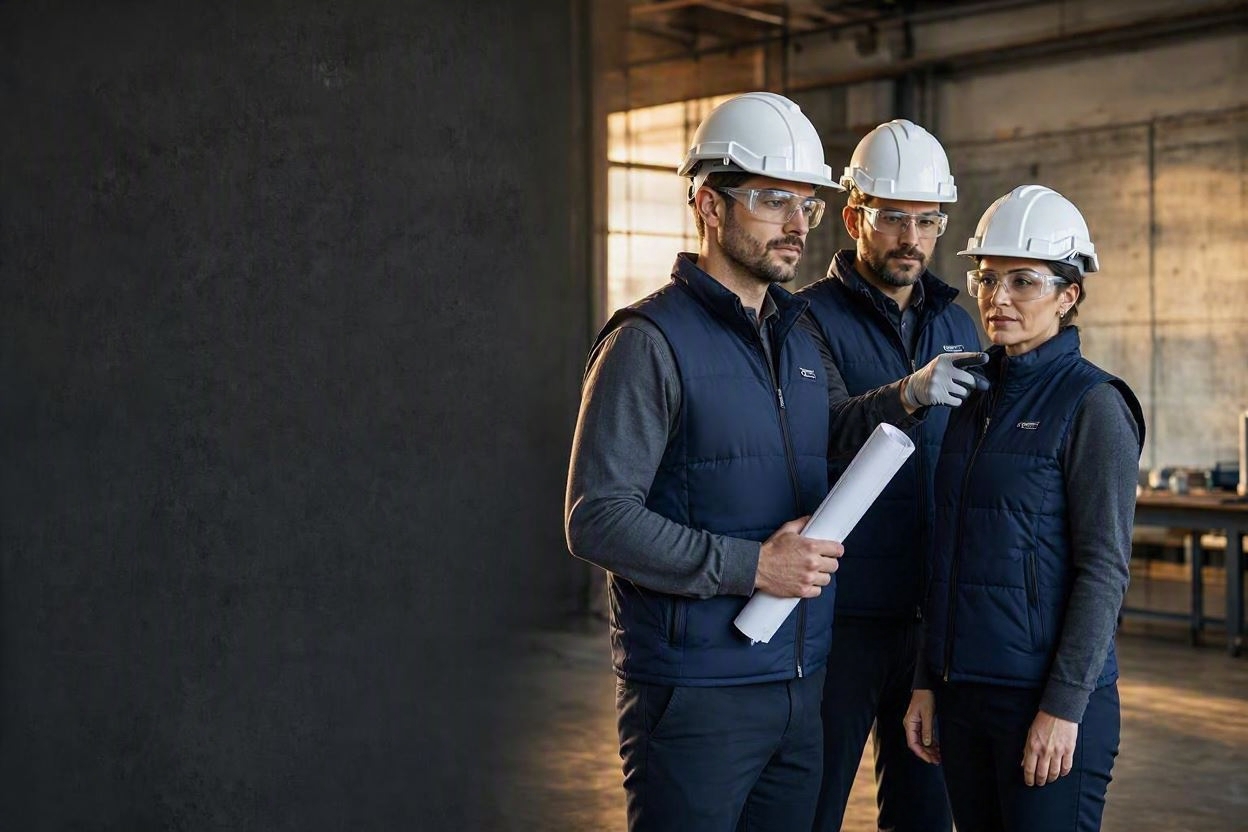
Construction Emergency Preparedness: A Practical Guide to Emergency Response
Construction emergency preparedness helps projects anticipate credible emergencies, establish effective response arrangements and ensure workers know how to raise an alarm, evacuate, obtain assistance and respond safely when normal work is disrupted.
What Is Construction Emergency Preparedness?
Construction emergency preparedness is the planning, organization, training and coordination needed to respond effectively when an emergency occurs on or affects a construction project.
Emergency arrangements should reflect the location, workforce, activities, hazards and changing conditions of the project rather than relying solely on a generic emergency document.
Preparedness should be maintained throughout the construction project life cycle because access routes, structures, contractors and hazards can change substantially as work progresses.
Identify Credible Construction Emergencies
Emergency planning should begin by identifying events that could reasonably arise from the project, its environment and surrounding activities.
Fire & Explosion
Hot work, temporary electrical systems, fuels, gases and combustible materials can create fire and explosion emergencies.
Injury & Medical Events
Projects need arrangements for first aid, emergency medical assistance and safe access to injured or suddenly ill workers.
Site-Specific Emergencies
Collapse, excavation incidents, electrical events, hazardous releases, severe weather and other emergencies may require specialized arrangements.
Base Emergency Arrangements on Construction Risks
Emergency planning should connect with the project’s hazard identification and risk assessment processes.
The project should consider what could happen, who could be affected, how quickly conditions could deteriorate and what resources would be required to respond safely.
Higher-risk or specialized activities may require emergency arrangements beyond the site’s general evacuation procedure.
Develop a Construction Site Emergency Plan
The emergency plan should establish how foreseeable emergency situations will be managed and who has responsibility for critical actions.
Arrangements can address alarm activation, emergency communication, evacuation, assembly, first aid, rescue, contact with external services and control of affected areas.
The level of detail should reflect the size, complexity, location and risk profile of the construction project.
Define Emergency Roles and Responsibilities
Workers should know who has responsibility for initiating and coordinating emergency actions under the project’s arrangements.
Relevant roles may include people responsible for raising alarms, coordinating evacuation, providing first aid, contacting emergency services and accounting for personnel.
Assigned personnel should have appropriate information, training and authority for the responsibilities they are expected to perform.
Provide a Reliable Method for Raising the Alarm
Workers need a clear and effective method of warning others when an emergency develops.
The alarm should be recognizable under actual site conditions, including areas where construction noise or changing work arrangements could affect communication.
Workers should understand what the alarm means and what actions they are expected to take when it is activated.
Establish Emergency Communication Arrangements
Emergency communication should allow the site to summon appropriate assistance and provide responders with useful information.
Relevant contact information should be accessible, and workers responsible for making emergency calls should know how to communicate the site location and nature of the emergency.
Large, remote or complex projects may require additional communication arrangements where normal methods could be unreliable.
Plan Safe Construction Site Evacuation
Construction evacuation can be complicated by temporary stairs, changing access routes, incomplete structures, excavations, equipment and restricted areas.
Evacuation arrangements should reflect current site conditions and provide workers with suitable routes away from foreseeable danger.
Routes should be reviewed as the project changes so that emergency instructions do not direct workers toward access that is blocked, removed or no longer safe.
Establish Emergency Assembly Areas
Workers should know where to assemble after evacuation when the emergency arrangements require designated meeting points.
Assembly areas should be located away from relevant hazards and should remain suitable as construction conditions change.
Projects should also establish an appropriate method for determining whether personnel who may have been exposed to the emergency are accounted for.
Prepare for Construction Site Fires
Fire prevention should remain the priority, but projects also need arrangements for responding when a fire occurs.
Emergency planning should consider alarm, evacuation, combustible materials, temporary electrical systems, hot work and access for emergency responders.
Workers should not delay safe evacuation to attempt actions for which they are not trained or equipped.
Provide Construction First-Aid Arrangements
Construction projects should have suitable arrangements for providing first aid and obtaining further medical attention when necessary.
First-aid personnel, facilities and equipment should reflect applicable requirements and the project’s circumstances.
Workers should know how to obtain first aid quickly rather than searching for equipment or responsible personnel after an incident occurs.
Plan Rescue Before High-Risk Work Begins
Some construction emergencies cannot be managed effectively through general evacuation arrangements alone.
Work at height, confined or restricted locations, excavations, work over water and other specialized activities may create rescue challenges that should be considered before work begins.
Rescue planning should avoid depending on improvised actions by untrained workers after an emergency has already occurred.
Prepare for Collapse and Instability Emergencies
Construction projects can include incomplete structures, temporary works and changing structural conditions.
Where collapse or instability is a credible emergency, response arrangements should prioritize protecting people from further exposure and obtaining appropriately competent assistance.
Workers should not enter unstable areas for rescue or recovery unless suitable controls and competent direction are available.
Plan for Electrical Incidents
Electrical emergencies can involve shock, burns, fire, damaged temporary systems or contact with overhead and underground services.
Response arrangements should consider hazardous energy and prevent additional workers from becoming exposed while attempting to help.
Appropriate isolation and competent electrical assistance may be necessary before an affected area or equipment can be approached safely.
Prepare for Hazardous Substance Releases
Construction activities may involve fuels, gases, chemicals, coatings, cleaning materials and other substances capable of creating emergency conditions.
Emergency arrangements should reflect the substances present, potential exposure routes and appropriate response procedures.
Workers should know when evacuation, isolation of the area or specialist assistance is required rather than attempting uncontrolled cleanup.
Include Severe Weather and Natural Hazards
Construction projects can be particularly vulnerable to severe weather because of temporary structures, exposed work areas, cranes, excavations and incomplete buildings.
Emergency planning should consider relevant local hazards such as storms, flooding, extreme temperatures, high winds, wildfire or other natural events where applicable.
Projects should establish how warnings will be received, who will make decisions and what protective actions workers should take.
Prepare for Mobile Equipment Emergencies
Vehicle collisions, overturns, equipment failures and incidents involving pedestrians can create complex emergency scenes.
Response arrangements should prevent additional traffic or equipment from entering the affected area and creating further exposure.
Access for emergency assistance should be considered within construction traffic and site-layout planning.
Coordinate Emergency Arrangements Across Contractors
Construction projects frequently involve workers employed by several organizations sharing the same site.
Emergency arrangements should therefore be coordinated so that contractors do not follow conflicting procedures during the same event.
Contractor workers should receive relevant emergency information during induction and whenever significant arrangements change.
Consider Coordination With Emergency Services
Depending on project risk and location, emergency planning may require coordination with external fire, medical, rescue or other relevant services.
Large or unusual sites should consider whether responders can identify the location, gain access and reach relevant work areas efficiently.
Projects should not assume that external responders automatically understand the site’s temporary layout, hazards or access restrictions.
Train Workers in Construction Emergency Procedures
Workers should understand the emergency procedures relevant to the project and their work areas.
Training can include alarm recognition, evacuation routes, assembly arrangements, reporting procedures and actions workers should avoid during an emergency.
Personnel with specialized emergency responsibilities require training appropriate to the functions they are expected to perform.
Test Emergency Arrangements Through Drills
Emergency drills can reveal weaknesses that are difficult to identify from a written plan alone.
Projects can evaluate whether alarms are recognized, routes remain usable, workers understand assembly arrangements and assigned personnel can perform their responsibilities.
Drill findings should be reviewed and used to improve emergency procedures where necessary.
Review Emergency Plans as Construction Changes
An emergency plan can become outdated quickly on an active construction project.
New structures, demolition, temporary works, contractor changes, altered access and different project phases can affect evacuation and emergency response.
Emergency arrangements should therefore be periodically reviewed and revised when significant changes affect the assumptions on which the plan was based.
Include Emergency Readiness in Site Inspections
Construction inspections can verify whether emergency arrangements remain usable under current site conditions.
Relevant checks may include emergency access, escape routes, alarms, first-aid arrangements, fire precautions, signage and assembly areas.
Problems affecting emergency readiness should be corrected before an actual emergency exposes the weakness.
Review the Response and Improve the Plan
After an emergency or significant drill, the project should review how the response worked and identify opportunities for improvement.
The review can examine communication, evacuation, equipment, coordination, response times and any unexpected difficulties encountered.
Lessons should be translated into updated procedures, training or physical controls rather than remaining only within an incident report.
A Practical Construction Emergency Preparedness Process
Emergency preparedness should connect foreseeable scenarios with practical arrangements that can be implemented under real site conditions.
Identify
Determine credible emergencies based on construction hazards, site conditions, location and surrounding activities.
Plan
Establish alarm, communication, evacuation, first-aid, rescue and external-assistance arrangements.
Prepare
Provide necessary equipment, information and training and ensure workers understand the procedures relevant to them.
Test & Review
Conduct appropriate drills, learn from emergencies and update arrangements as construction conditions change.
Common Construction Emergency Preparedness Mistakes
Generic Emergency Plan
A copied plan may fail to address the actual layout, hazards, workforce and emergency scenarios of the construction project.
Outdated Escape Routes
Construction changes can make previously suitable evacuation routes inaccessible, obstructed or unsafe.
Untested Arrangements
Plans that are never practiced may contain communication, evacuation or coordination weaknesses that remain hidden until an emergency occurs.
Construction Emergency Preparedness Must Evolve With the Project
Effective construction emergency preparedness identifies credible emergencies, establishes practical response arrangements and ensures workers understand what to do when normal work conditions break down.
Because construction sites continually change, emergency plans, evacuation routes, rescue arrangements and worker information should be reviewed throughout the project rather than established once and left unchanged.
Continue Your Construction Safety Learning
Explore IOSHQ resources covering emergency preparedness, construction hazards, site controls and practical safety management.