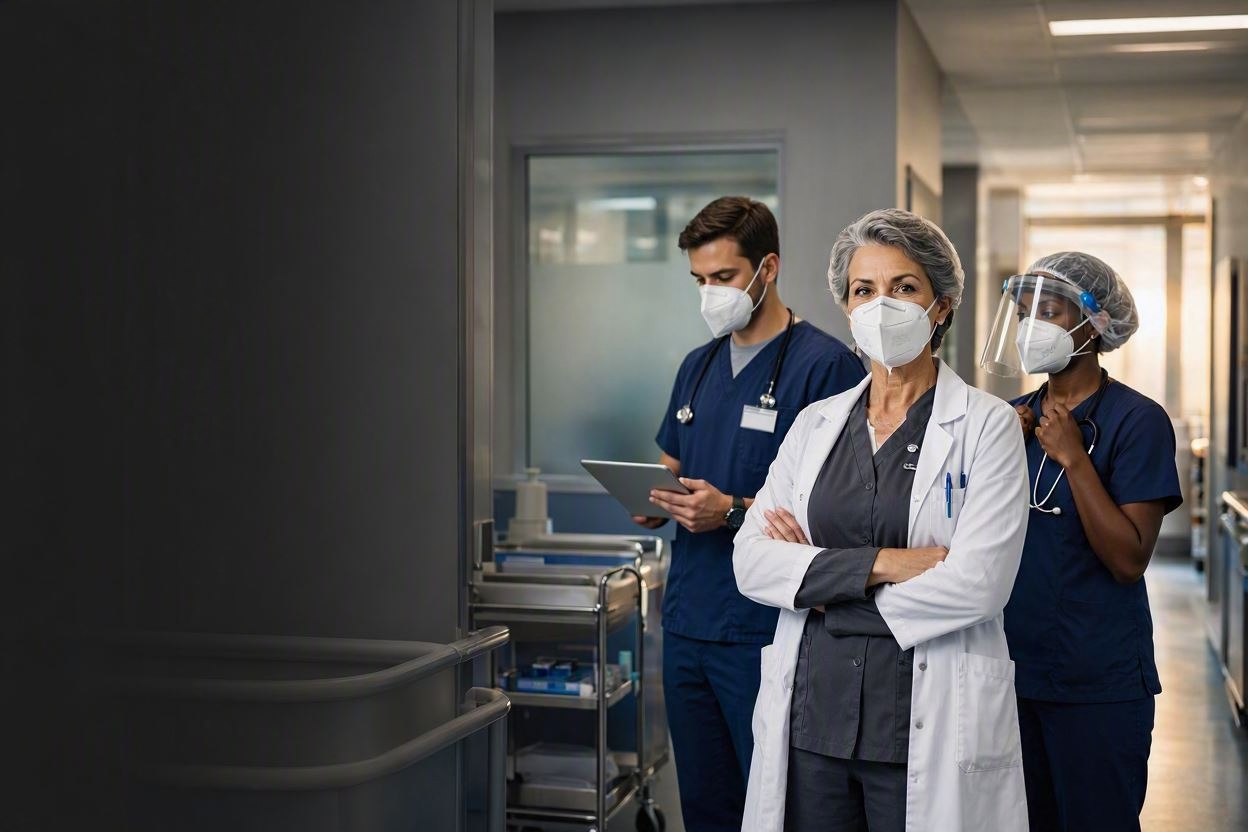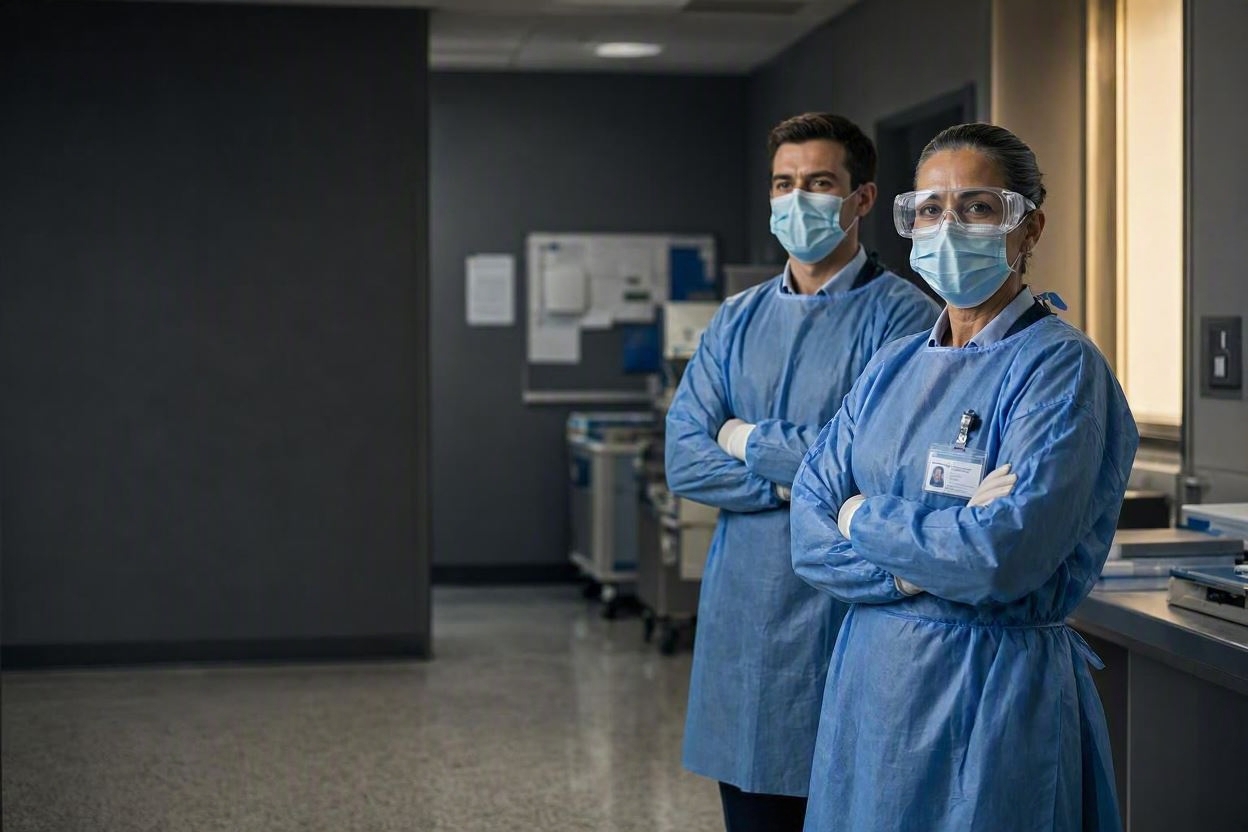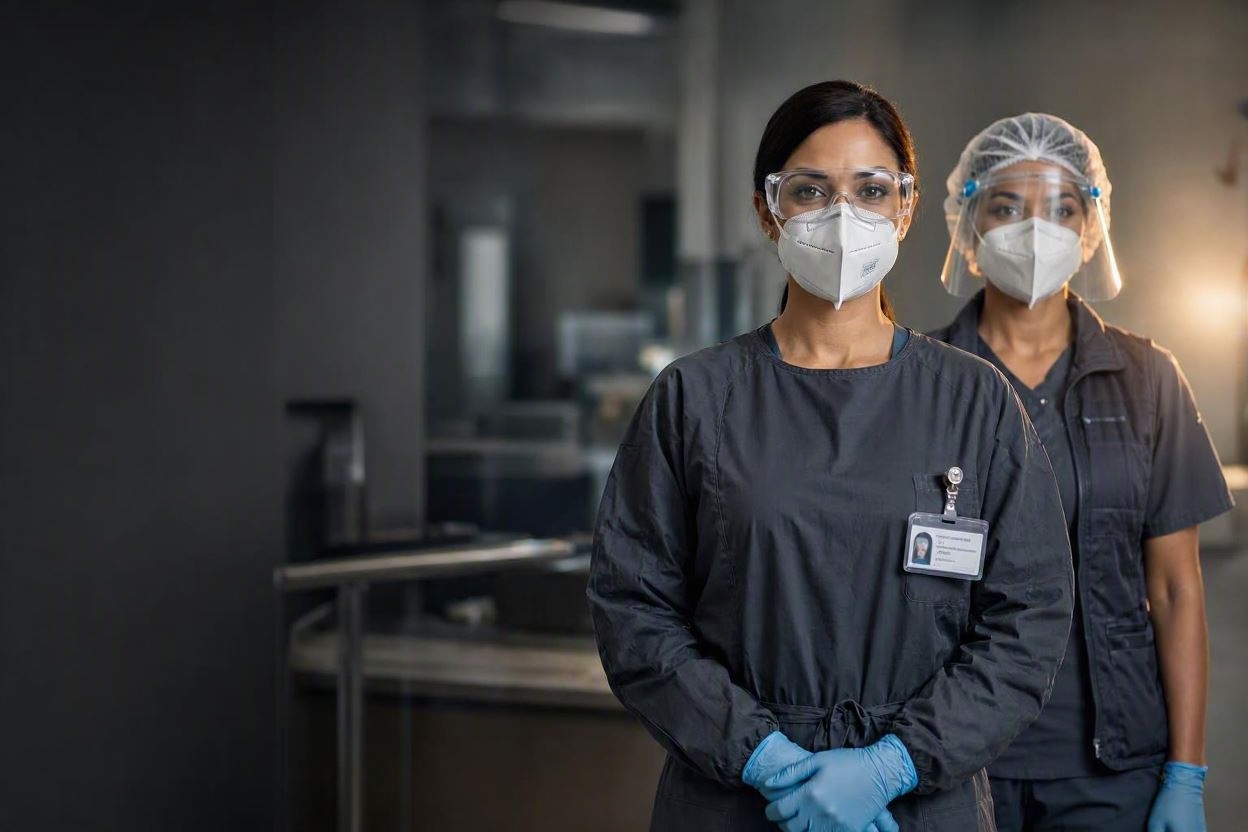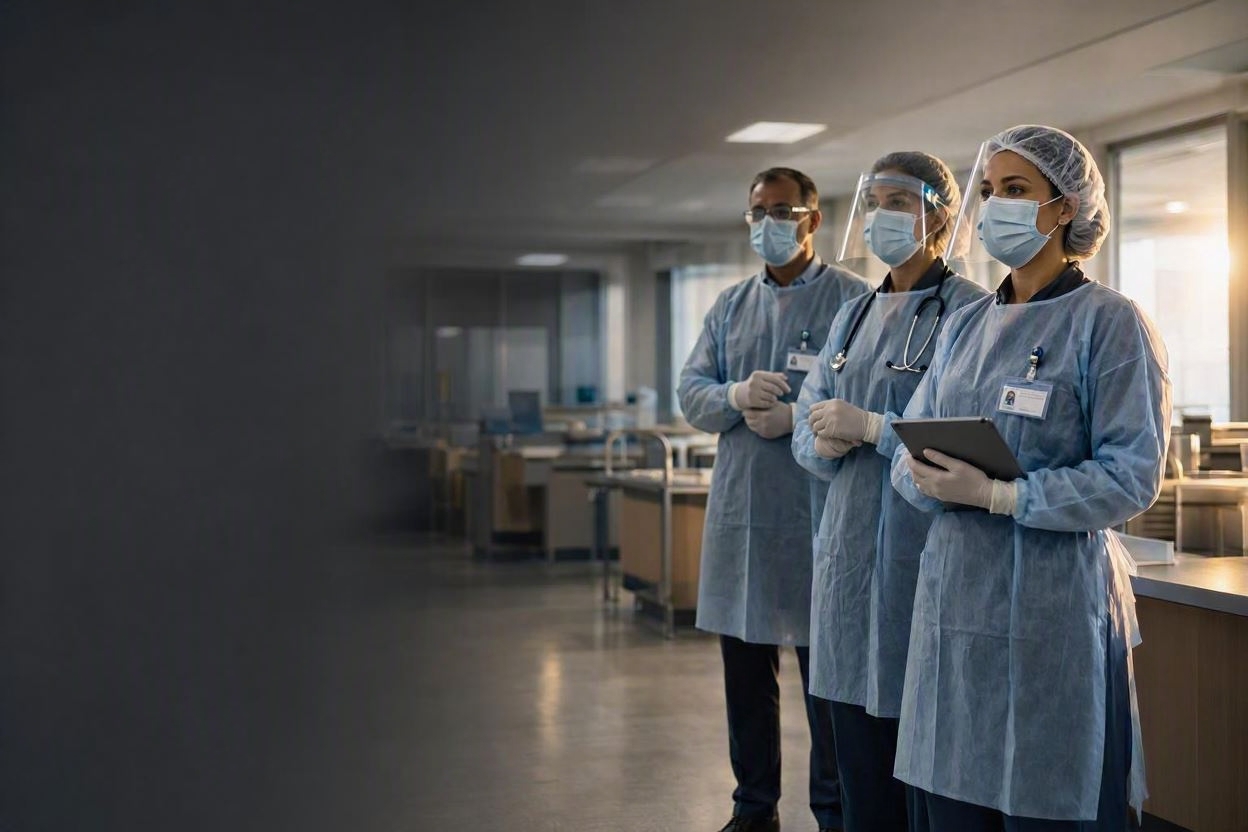
Laboratory Safety in Healthcare: A Practical Guide to Clinical Laboratory Hazards
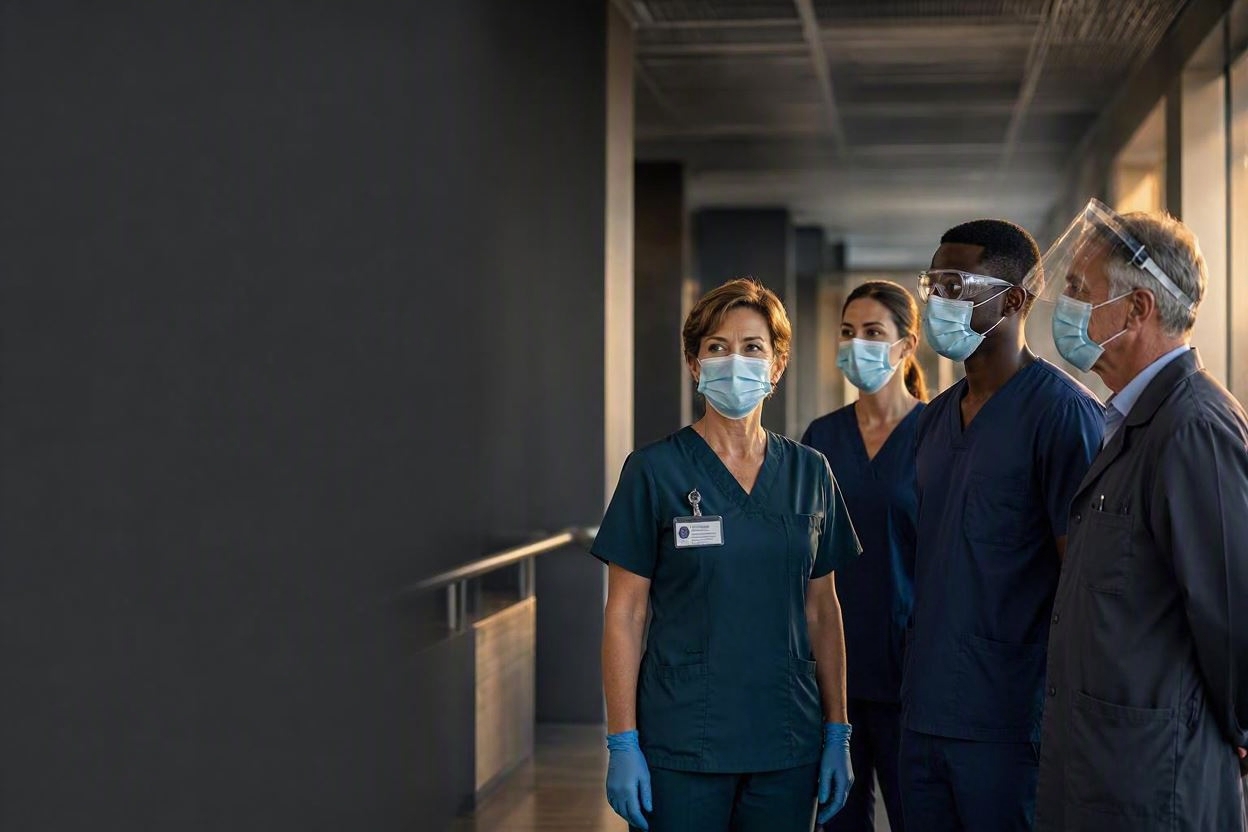
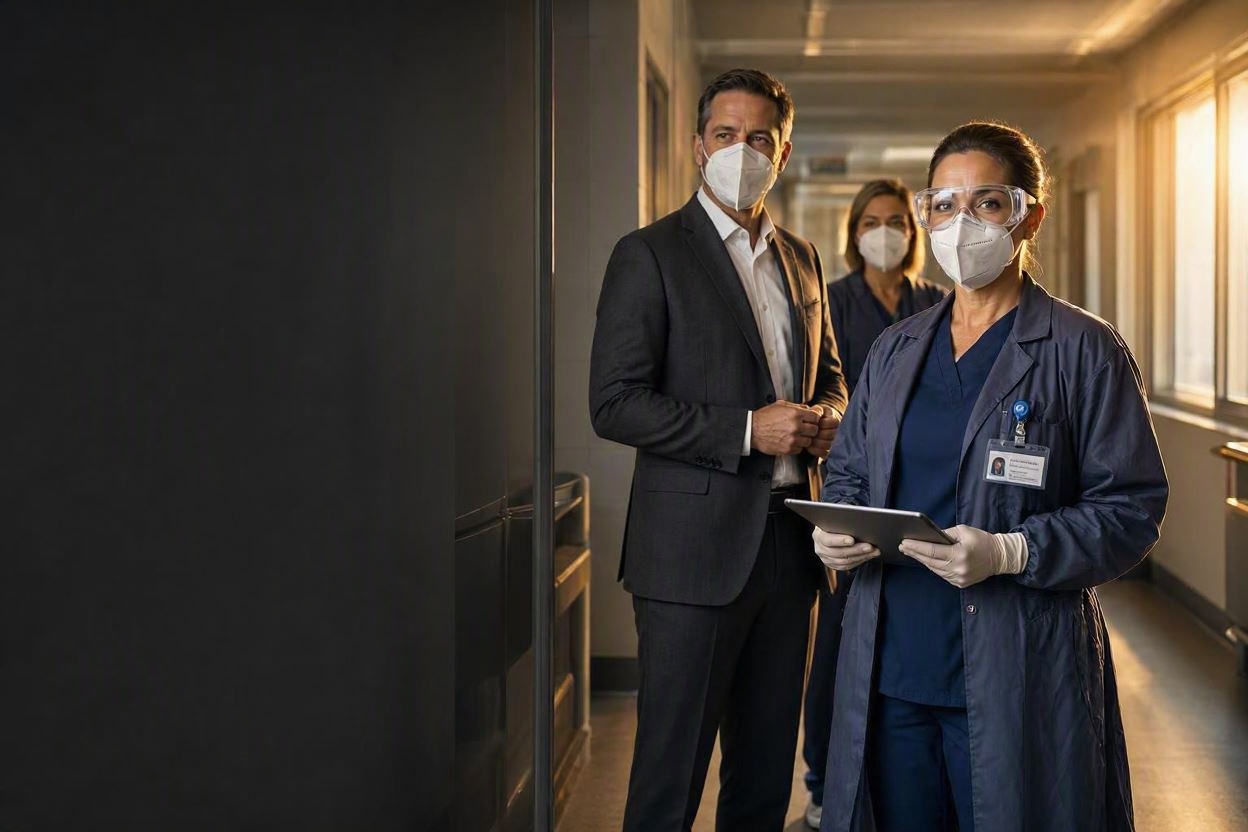
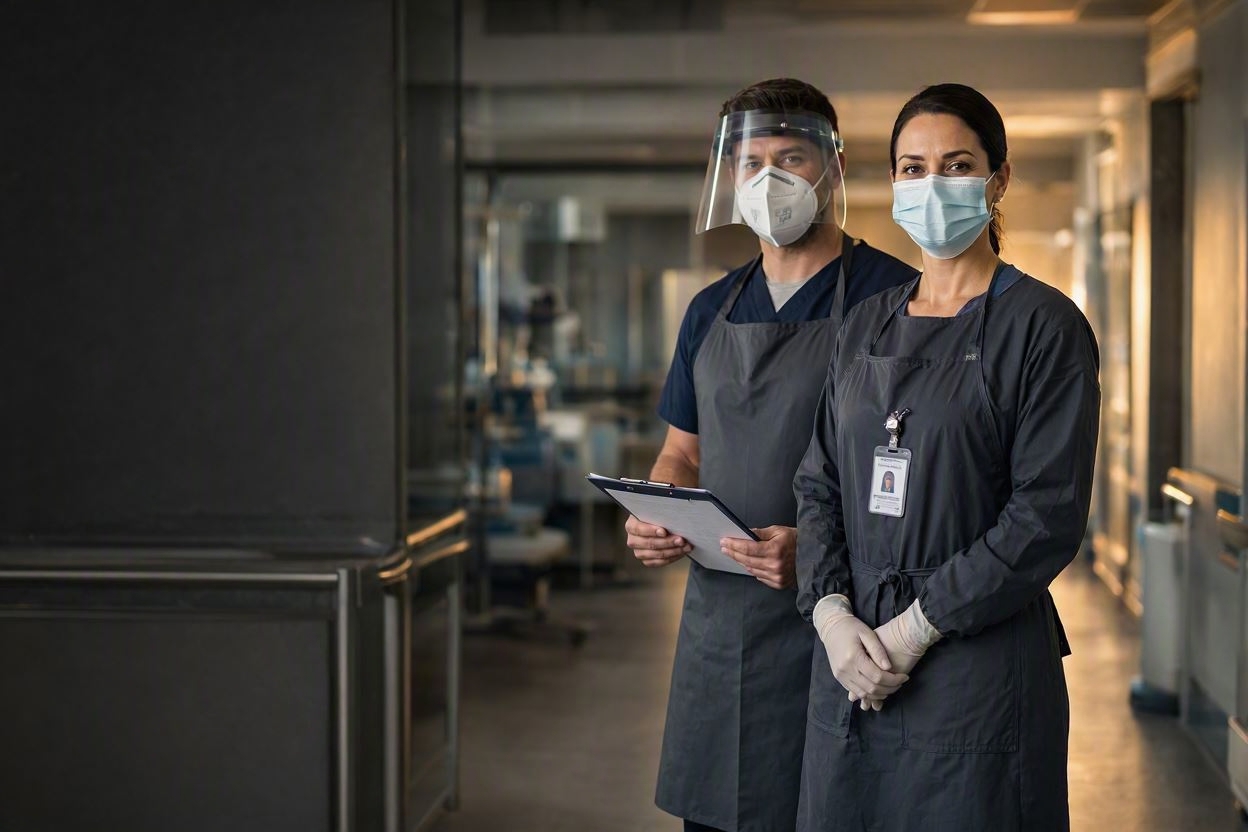
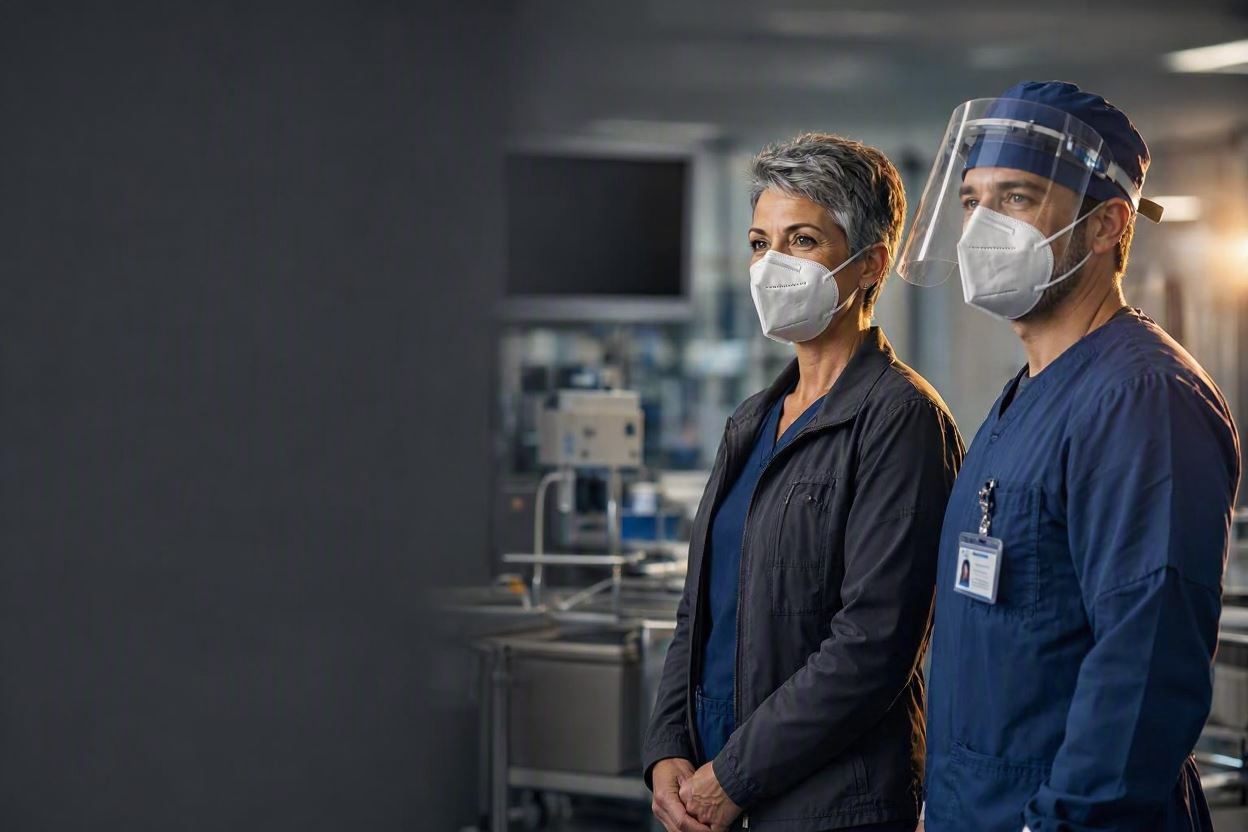
Laboratory safety in healthcare requires systematic control of biological, chemical, sharps, equipment, ergonomic, radiation and other occupational hazards encountered during specimen collection, processing, testing, storage, decontamination and waste handling.
What Is Laboratory Safety in Healthcare?
Clinical and healthcare laboratories perform essential diagnostic and analytical work involving specimens, chemicals, instruments and specialized equipment.
Laboratory workers can encounter biological agents, hazardous chemicals, sharps, radiation, physical hazards and musculoskeletal stresses. Effective laboratory safety therefore requires a risk-based system that considers the specific work, personnel, facility and controls.
The objective is to prevent occupational exposure, injury, contamination and uncontrolled releases while supporting reliable healthcare laboratory operations.
Recognize Common Healthcare Laboratory Hazards
Laboratory hazards vary according to the specimens, substances, equipment and procedures used. Several hazard categories may be present during the same activity.
Biological Hazards
Blood, body fluids, cultures, specimens and other biological materials can expose workers through splashes, aerosols, sharps injuries or contaminated surfaces.
Chemical Hazards
Reagents, stains, solvents, disinfectants, preservatives and other chemicals may create inhalation, skin, eye, fire or reactivity hazards.
Physical Hazards
Centrifuges, autoclaves, cryogenic materials, electrical equipment, compressed gases and other laboratory systems can introduce physical hazards.
Base Laboratory Safety in Healthcare on Risk Assessment
Laboratory risk assessment should examine the specific hazards, procedures, equipment, facility conditions, existing controls and competence of the personnel performing the work.
Assessment should consider what could go wrong during each stage of an activity, the possible routes of exposure and the potential consequences if an incident occurs.
Formal assessment should occur before new work begins and should be reviewed when procedures, equipment, personnel, facilities or other relevant conditions change.
Use Risk-Based Laboratory Biosafety Controls
Biological safety measures should be selected according to the biological material, procedure and credible exposure pathways involved in the work.
Risk assessment can determine the combination of facility controls, containment equipment, work practices and PPE required for a particular laboratory activity.
Controls should be proportionate to the actual risk rather than assuming that every biological procedure requires identical precautions.
Handle Clinical Specimens Safely
Clinical specimens should be treated according to the biological risks associated with their collection, transport, processing and testing.
Workers should minimize direct contact, prevent leakage and use work practices that reduce splashes, droplets and aerosols.
Containers, transport arrangements and laboratory procedures should maintain specimen integrity while protecting personnel who may handle the material.
Control Laboratory Aerosol Exposure
Mixing, centrifugation, pipetting and other laboratory procedures can generate aerosols or droplets containing biological material.
Risk assessment should identify procedures with meaningful aerosol potential and determine whether primary containment or other engineering controls are necessary.
Work practices should minimize unnecessary aerosol generation and workers should understand how to respond when containment is compromised.
Use Biological Safety Cabinets Appropriately
Biological safety cabinets can provide primary containment for appropriate laboratory procedures when correctly selected, installed and used.
The cabinet type and work practices should reflect the biological material and procedure being performed.
Workers should understand that containment performance can be affected by poor technique, airflow disruption, inappropriate equipment placement or inadequate maintenance.
Prevent Needlestick and Sharps Injuries in Laboratories
Needles, lancets, scalpels, broken glass, microtome blades and other sharp items can cause puncture or cut injuries and provide a direct route for biological exposure.
Sharps use should be minimized where safer alternatives are practical, and used sharps should be placed promptly into appropriate puncture-resistant containers.
Workers should not manipulate contaminated sharps unnecessarily before disposal.
Control Chemical Hazards in Healthcare Laboratories
Laboratories may use reagents, solvents, stains, preservatives, disinfectants and other substances capable of causing acute or chronic occupational exposure.
Hazard information should be available before chemicals are used, and procedures should address safe handling, storage, incompatibilities, ventilation, spills and disposal.
Where feasible, unnecessary hazardous chemicals should be eliminated or substituted and exposure should be controlled through engineering measures before relying solely on PPE.
Use Appropriate Laboratory Ventilation and Containment
Ventilation and local containment can reduce exposure to hazardous vapors, gases, aerosols and other airborne contaminants.
The required system depends on the material and procedure. A control designed for one hazard should not automatically be assumed to provide appropriate protection against another.
Safety-critical ventilation and containment systems should be maintained and verified according to their intended function.
Manage Centrifuge Hazards
Centrifuges combine mechanical hazards with the possibility of biological or chemical exposure if tubes fail, rotors are damaged or material escapes containment.
Equipment should be operated according to manufacturer requirements, correctly balanced and inspected for conditions that could compromise safe operation.
Where hazardous biological material is centrifuged, suitable containment and opening procedures should reflect the risk assessment.
Control Autoclave and Sterilizer Hazards
Autoclaves and sterilizers can expose workers to heat, steam, pressure and hot materials.
Workers should be trained in loading, operation, unloading and response to abnormal equipment conditions.
Equipment should be maintained appropriately and defects affecting safe operation should be addressed before continued use.
Handle Cryogenic Materials Safely
Liquid nitrogen, dry ice and other very cold materials can create cold-contact injuries and may introduce additional atmospheric hazards in poorly ventilated spaces.
Storage, transfer and use should reflect the properties of the material, container design, ventilation and potential for pressure buildup.
Suitable protective equipment should be selected for tasks where splashes or cold contact can reasonably occur.
Control Electrical Hazards in Laboratories
Laboratories may use multiple powered instruments in areas where liquids and conductive materials are also present.
Damaged cords, defective equipment, inappropriate connections and unsafe temporary electrical arrangements should be identified and corrected.
Equipment presenting an electrical safety concern should be removed from service or otherwise controlled until evaluated by competent personnel.
Secure and Manage Laboratory Gas Cylinders
Compressed gas cylinders can create pressure, chemical and physical hazards if damaged, incorrectly stored or handled improperly.
Cylinders should be secured, identified and managed according to the gas properties and applicable requirements.
Storage and use should also consider ventilation, compatibility and separation from heat or ignition sources where relevant.
Manage Radiation Hazards in Healthcare Laboratories
Some healthcare laboratories use radioactive materials or radiation-producing equipment that require specialized protection arrangements.
Radiation hazards should be managed through facility-specific controls, access restrictions, monitoring, safe work procedures and competent radiation protection oversight where applicable.
Radioactive materials and waste should remain within authorized management systems rather than entering uncontrolled laboratory waste streams.
Address Ergonomic Hazards in Laboratory Work
Pipetting, microscopy, specimen processing, computer work and other repetitive laboratory activities can contribute to musculoskeletal strain.
Workstation height, equipment placement, seating, repetition, force and sustained posture should be considered when evaluating laboratory work.
Ergonomic improvements should focus on adapting the task and workstation rather than relying only on workers to tolerate repetitive or awkward work.
Select PPE for Healthcare Laboratory Hazards
Laboratory PPE should be selected according to the hazards and credible exposure routes associated with the procedure.
Depending on the work, protection may include gloves, laboratory coats or gowns, eye protection, face protection and respiratory protection where indicated by the risk assessment.
PPE should complement containment equipment, ventilation and safe procedures rather than replace effective engineering controls.
Maintain Safe and Organized Laboratory Work Areas
Laboratory aisles, emergency equipment and work areas should remain accessible and free from unnecessary obstruction.
Cords, containers and equipment should be arranged to reduce trip hazards and prevent interference with emergency movement.
Good housekeeping also supports contamination control by making spills, damaged containers and other abnormal conditions easier to identify.
Establish Laboratory Decontamination Procedures
Reusable equipment, work surfaces and other laboratory materials may require decontamination after contact with biological or hazardous material.
The method should be suitable for the material involved, the level of contamination and the item being treated.
Personnel should understand the limitations and hazards of the decontamination method itself, including chemical or heat exposure where applicable.
Manage Laboratory Waste Safely
Healthcare laboratories can generate biological, sharps, chemical, pharmaceutical and radioactive waste requiring different management methods.
Waste should be segregated and contained according to its hazards at the point where it is generated.
Workers responsible for collection, decontamination, transport and disposal should be protected from hazards transferred from laboratory activities.
Prepare for Laboratory Spills and Releases
Laboratory spills may involve infectious material, hazardous chemicals, radioactive substances or combinations of hazards.
Emergency procedures should identify how the area will be controlled, who is competent to respond, what PPE or equipment is required and when specialized assistance is necessary.
Workers should not attempt cleanup beyond their training, equipment or assigned response capability.
Respond Promptly to Laboratory Exposures
Needlestick injuries, splashes, inhalation events, chemical contact and other laboratory exposures require prompt action appropriate to the hazard involved.
Workers should know how to obtain immediate first aid, report the event and access medical evaluation or specialized support where necessary.
Exposure incidents should also trigger review of the controls that were intended to prevent the event.
Inspect and Maintain Laboratory Equipment
Safety can depend on centrifuges, biological safety cabinets, ventilation, sterilizers, alarms and other laboratory systems operating correctly.
Equipment should be inspected, tested, maintained and serviced according to its function and manufacturer or regulatory requirements.
Safety-critical defects should be evaluated before the equipment is returned to routine use.
Build Laboratory Safety Competence
Laboratory workers should receive training appropriate to the hazards, procedures and equipment associated with their duties.
Training can include biosafety, chemical safety, sharps, equipment operation, PPE, waste, spill response and occupational exposure procedures.
Competence should be established before personnel independently perform work that can create significant occupational risk.
Include Laboratories in Healthcare Safety Inspections
Laboratory inspections can identify poor storage, unsafe sharps practices, unavailable PPE, damaged equipment, blocked routes, chemical-management problems and differences between written procedures and actual work.
Observation of laboratory activities can be particularly valuable because many hazards become apparent only while equipment and procedures are in use.
Significant findings should be assigned for corrective action and followed through to completion.
Investigate Laboratory Incidents and Near Misses
Spills, exposures, sharps injuries, equipment failures and near misses can reveal weaknesses in laboratory risk controls.
Investigation should examine the procedure, equipment, facility, training, supervision and organizational conditions relevant to the event.
Lessons should be incorporated into risk assessments, work procedures, engineering controls and training where appropriate.
A Practical Laboratory Safety Process for Healthcare
Effective laboratory safety in healthcare operates as a continuing cycle of risk identification, control, verification and improvement.
Identify
Determine the biological, chemical, physical, sharps, radiation and ergonomic hazards associated with laboratory activities.
Assess
Evaluate procedures, exposure pathways, consequences, equipment, facilities, existing controls and worker competence.
Control
Apply containment, engineering controls, safe work practices, appropriate PPE and emergency arrangements according to risk.
Review
Inspect work, investigate incidents, verify controls and reassess risks when laboratory conditions or activities change.
Common Healthcare Laboratory Safety Mistakes
Relying Only on PPE
PPE is important, but effective laboratory safety also depends on containment, engineering controls, equipment and safe procedures.
Generic Risk Assessments
Laboratory controls should reflect the actual specimens, substances, procedures, equipment and personnel involved in the work.
Ignoring Change
New tests, equipment, personnel or procedures can alter laboratory risk and should trigger appropriate reassessment.
Laboratory Safety in Healthcare Requires Risk-Based Controls
Laboratory safety in healthcare should be built around the specific hazards and procedures performed in the facility rather than a generic set of precautions.
Effective laboratory protection combines risk assessment, containment, safe equipment, chemical and biological controls, sharps prevention, PPE, worker competence, emergency preparedness and continual verification.
Continue Your Healthcare Safety Learning
Explore IOSHQ resources covering laboratory safety, healthcare hazards, occupational risk management and practical worker protection.