Permit to Work in Oil and Gas: A Practical Guide to High-Risk Work Control
An oil and gas permit to work system provides structured authorization and coordination for selected high-risk activities where hazards, isolations and operating conditions must be verified before work begins.
What Is an Oil and Gas Permit to Work System?
An oil and gas permit to work system is a formal work-control process used to authorize selected activities where significant hazards require additional planning, communication and verification.
The permit records important conditions under which the work can proceed. Depending on the activity, these may include isolation, atmospheric testing, equipment preparation, required precautions, responsible personnel and the authorized work period.
A permit does not make hazardous work safe by itself. It supports the broader system of risk assessment, competent supervision, safe procedures and field verification.
Why Permit to Work Matters in Oil and Gas
Oil and gas facilities can contain hydrocarbons, pressure, hazardous energy, toxic substances and operating equipment within areas where several work groups may be active simultaneously.
Authorization
The system establishes whether specified work has been reviewed and authorized before the activity begins.
Control Verification
Required precautions, isolations and operating conditions can be checked before workers are exposed.
Coordination
The permit process helps different teams understand work that could interact with their own activities or process conditions.
Activities Commonly Controlled by Permit to Work
The activities requiring a permit depend on the facility, risk profile, applicable requirements and organization’s work-control system.
Examples can include hot work, confined space entry, line breaking, excavation, electrical work, certain maintenance activities and other work defined by the organization as requiring formal authorization.
Some tasks may require more than one type of authorization when several significant hazards are present.
Connect the Oil and Gas Permit to Work With Risk Assessment
The permit should be based on an adequate understanding of the work and its hazards.
Risk assessment helps determine how workers could be harmed, what process conditions could affect the task and which controls must be established before authorization.
The permit should communicate relevant controls rather than substitute for the assessment that determined why those controls are necessary.
Control Hot Work Through Formal Authorization
Welding, cutting, grinding and other activities capable of producing heat, flame or sparks can become major ignition hazards where hydrocarbons or other flammable materials may be present.
Before hot work begins, the work area should be evaluated for flammable materials and atmospheres, ignition pathways, nearby process equipment and other relevant hazards.
Required controls can include equipment preparation, isolation, gas testing, removal or protection of combustible materials, fire protection and fire-watch arrangements where appropriate.
Coordinate Confined Space Entry Permits
Tanks, vessels, pits and other confined spaces can contain hazardous atmospheres, process materials, mechanical hazards and difficult rescue conditions.
Entry planning should identify the space hazards, establish acceptable entry conditions and determine necessary isolation, testing, ventilation, communication and emergency arrangements.
If hot work or another separately controlled activity will occur inside the space, the relevant permits and precautions should be coordinated rather than managed independently.
Verify Energy and Process Isolation
Oil and gas maintenance can expose workers to electrical, mechanical, hydraulic, pneumatic, thermal, pressure and process-fluid hazards.
The permit process should identify relevant isolation requirements and establish how their status will be verified before work begins.
Where lockout, tagout, blinding, disconnection or other isolation methods are required, responsibilities and interfaces between the permit and isolation systems should be clear.
Control Line Opening and Process-System Work
Opening piping or equipment that contains or previously contained hazardous material can expose workers to pressure, hydrocarbons, toxic substances, heat or other stored energy.
Planning should establish the condition of the system, required isolation, depressurization, draining or other preparation appropriate to the work.
Workers should understand the possibility of residual material or pressure even after normal operating indications suggest that the system has been emptied.
Define Atmospheric Testing Requirements
Atmospheric testing may be necessary when work could expose personnel to flammable, toxic or oxygen-deficient conditions.
The permit system should establish when testing is required, what conditions must be evaluated and how results are communicated to the people responsible for the work.
Where conditions can change during the activity, periodic or continuous monitoring may be necessary according to the assessed hazards and applicable procedures.
Inspect the Work Area Before Permit Authorization
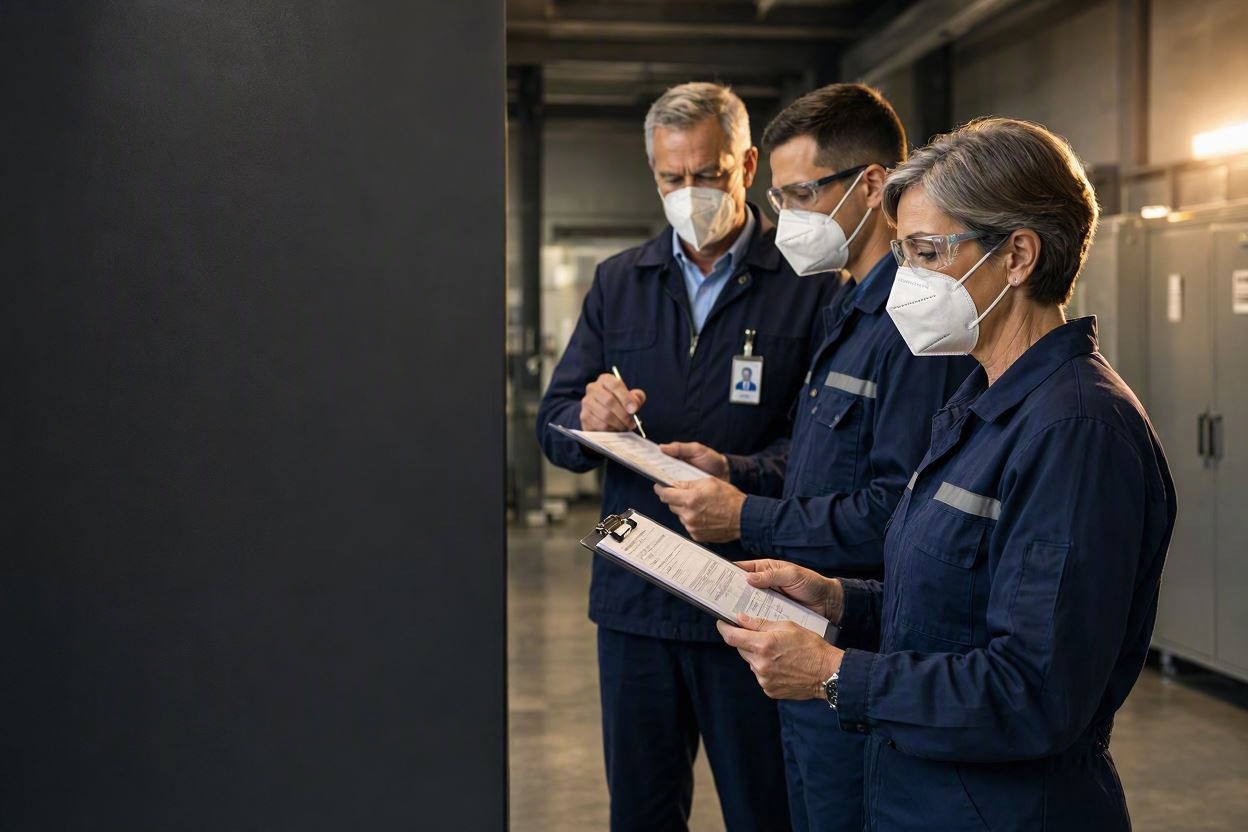
A permit should reflect actual field conditions rather than being authorized entirely from a desk or control room when physical verification is necessary.
The responsible personnel should confirm that the work location, equipment, hazards and required precautions correspond with the permit and supporting assessment.
Differences between planned and actual conditions should be resolved before work proceeds.
Define Permit to Work Responsibilities
An effective permit system establishes clear responsibilities for requesting, reviewing, authorizing, accepting, supervising, suspending and closing work.
Personnel performing these roles should understand the limits of their authority and the checks they are expected to complete.
Signing a permit should represent a meaningful verification or acceptance responsibility rather than a routine administrative signature.
Communicate Permit Conditions to the Work Team
Workers performing the activity should understand the scope of work, significant hazards, required controls and conditions under which the work must stop.
A permit that remains with supervisors but is not understood by the people performing the task provides limited practical control.
Pre-job discussions can help verify that workers understand the permit conditions and how they apply to the actual work.
Coordinate Multiple Permits and Work Activities
Oil and gas facilities may have several permit-controlled activities underway at the same time.
Each task may appear acceptable when assessed independently but create additional risk when combined with nearby work or changing process conditions.
The permit system should therefore provide a means to identify and coordinate activities that could interact.
Integrate Contractors Into the Permit to Work System
Contractors frequently perform maintenance, inspection, construction and specialist work within oil and gas facilities.
They should understand the permit system, relevant facility hazards and the responsibilities assigned to them before permit-controlled work begins.
Host and contractor work-control processes should be coordinated so that differences between organizational systems do not create gaps in hazard control.
Define the Scope and Validity of Each Permit
A permit should clearly identify the authorized work, location or equipment and applicable period or conditions of validity.
Workers should not assume that authorization automatically extends to additional equipment, changed work scope or significantly different conditions.
Where the work changes beyond the authorized scope, the permit and associated risk controls should be reviewed before proceeding.
Manage Permit Handover Between Shifts
Permit-controlled work can continue across shift changes or changes in responsible personnel.
The work-control system should establish how permit status, isolations, outstanding hazards and unfinished work are communicated during handover.
A clear handover helps prevent new personnel from making assumptions about conditions established by the previous shift.
Suspend Work When Permit Conditions Change
Conditions that were acceptable when a permit was issued may change during the work.
Process changes, alarms, gas-test results, weather, nearby operations, equipment problems or changes in work scope can invalidate the assumptions on which authorization was based.
The work team should understand when work must stop and when the permit requires reassessment or reauthorization.
Close the Permit After Work Is Complete
Permit closeout should confirm that the authorized activity has finished and that the work area has been left in an appropriate condition.
Depending on the task, closeout may involve checking equipment status, accounting for personnel and tools, removing temporary controls and coordinating restoration of isolated systems.
Equipment should not be returned to normal operation merely because the physical task appears complete.
Train Personnel for Permit to Work Responsibilities
People who issue, accept or work under permits need sufficient understanding of the organization’s system and their assigned responsibilities.
Training should address permit types, authorization limits, hazard controls, isolation interfaces, communication, suspension and closeout procedures relevant to each role.
Competence should be reinforced through supervision and field verification rather than assumed from attendance at training alone.
Inspect and Audit Permit to Work Practices
Organizations should periodically verify whether permit procedures are being followed in actual operations.
Field inspections can identify incomplete permits, weak worksite verification, communication problems, unauthorized changes or controls that exist on paper but not in the workplace.
Recurring deficiencies can indicate a broader weakness in the work-control system and should be addressed accordingly.
A Practical Oil and Gas Permit to Work Process
A permit to work should connect planning, authorization, field control and formal completion.
Plan
Define the work, identify hazards, assess risks and determine required precautions and isolations.
Verify
Confirm field conditions, required controls, equipment status and coordination with other activities.
Authorize
Issue and accept the permit according to defined responsibilities before controlled work begins.
Close
Confirm completion, restore the work area appropriately and formally close the authorization.
Common Oil and Gas Permit to Work Mistakes
Permit as Paperwork
A completed form provides little protection when hazards and controls have not been verified in the field.
Poor Coordination
Individually acceptable jobs can create additional hazards when simultaneous activities are not coordinated.
Working After Conditions Change
Continuing under an outdated permit can expose workers to hazards that were not present when authorization was issued.
Oil and Gas Permit to Work Is a Work-Control System
An effective oil and gas permit to work system does more than authorize a task. It connects hazard identification, risk assessment, isolation, communication, field verification and operational coordination.
The permit is most effective when everyone involved understands that authorization remains valid only while the defined work scope and required safety conditions remain in place.
Continue Your Oil & Gas Safety Learning
Explore IOSHQ resources covering petroleum industry hazards, risk assessment, work control and practical safety management.