Oil and Gas PPE: A Practical Guide to Personal Protective Equipment
Oil and gas PPE helps protect workers from residual hazards including fire, hazardous substances, noise, flying particles, falling objects, respiratory exposure and mechanical risks when those hazards cannot be adequately controlled by other measures.
What Is Oil and Gas PPE?
Oil and gas PPE is personal protective equipment selected to reduce worker exposure to specific hazards encountered during drilling, production, processing, maintenance, lifting, construction and other petroleum-industry activities.
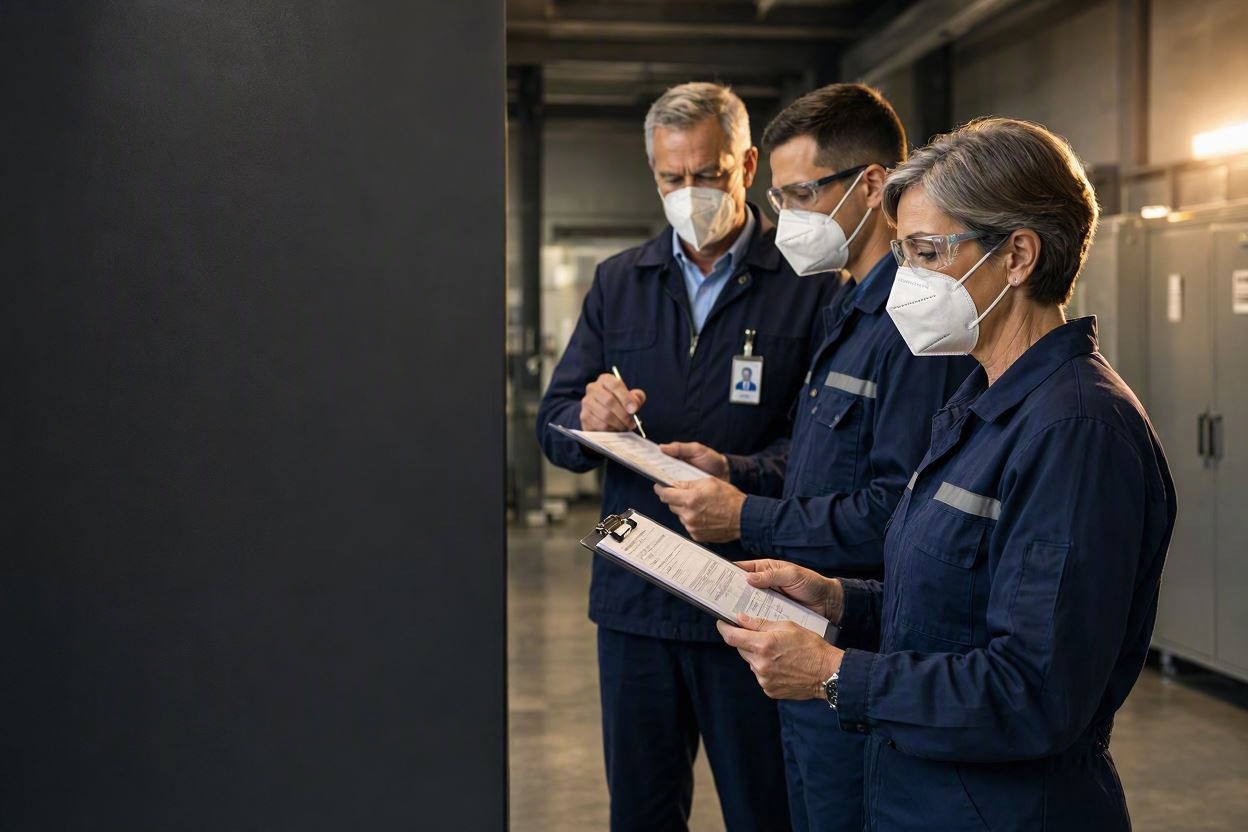
PPE can include protective helmets, eye and face protection, gloves, protective footwear, hearing protection, respiratory protection, flame-resistant clothing and fall-protection equipment.
The required combination depends on the task and hazard assessment. There is no single set of PPE that is suitable for every oil and gas activity.
PPE Is One Layer of Hazard Control
Personal protective equipment should not automatically become the first response to every workplace hazard.
Where practicable, hazards should first be eliminated, substituted, isolated or controlled through engineering and administrative measures. PPE then provides an additional protective barrier against remaining exposure.
This principle is particularly important in oil and gas operations where PPE alone cannot reliably control major releases, uncontrolled energy, fires, explosions or other high-consequence events.
Select Oil and Gas PPE From the Hazards
PPE selection should begin with an assessment of the hazards associated with the work rather than a predetermined equipment list.
The assessment should consider chemical exposure, fire and flash-fire potential, impact hazards, sharp objects, noise, hazardous atmospheres, electrical exposure, heat, falling objects and other relevant conditions.
The selected PPE should provide protection appropriate to the hazard without introducing unnecessary interference with visibility, communication, movement or safe task performance.
Common Types of Oil and Gas PPE
The exact requirements vary by task, but several PPE categories are frequently relevant to oil and gas operations.
Head, Eye & Face
Protective helmets, safety eyewear, goggles and face protection can reduce exposure to impact, flying particles, splashes and other hazards.
Body, Hand & Foot
Flame-resistant clothing, task-specific gloves and protective footwear can provide protection against selected thermal, chemical and physical hazards.
Hearing & Respiratory
Hearing protection and correctly selected respiratory equipment may be required where noise or airborne contaminants remain hazardous.
Protect Workers From Head Injuries
Oil and gas workers can be exposed to falling tools, moving equipment, overhead structures and other impact hazards.
Protective helmets should be selected for the identified hazard and should remain compatible with other equipment such as hearing, eye or face protection.
Helmets should be inspected regularly and removed from service when damage, deterioration or other conditions compromise their protective function.
Protect the Eyes From Particles, Liquids and Chemicals
Drilling, grinding, chemical handling, pressure work and maintenance can expose workers to flying particles, dust, liquids and hazardous splashes.
Eye protection should match the exposure. Ordinary safety spectacles may be appropriate for some impact hazards, while chemical splash or other conditions may require different protection.
Workers who need prescription lenses should use protective arrangements that maintain the required level of eye protection.
Use Face Protection for Appropriate Tasks
Face shields and other face-protection equipment can provide additional protection during tasks involving chemical splashes, flying material or other hazards affecting the face.
Face protection should be selected for the specific hazard and used with appropriate eye protection where required.
The complete protection system should remain compatible with helmets, respirators and other PPE worn at the same time.
Use Flame-Resistant Clothing Where Flash-Fire Hazards Require It
Oil and gas operations can create flash-fire hazards where flammable gases, vapors or liquids may be released and ignited.
Where the hazard assessment requires flame-resistant clothing, the garments should be suitable for the identified exposure and used according to the applicable protective-clothing program.
Flame-resistant clothing is intended to reduce injury if exposure occurs. It does not make a worker fireproof and should never replace hydrocarbon containment, gas detection or ignition control.
Maintain Protective Clothing Correctly
Protective clothing can lose effectiveness when damaged, heavily contaminated or maintained contrary to its care requirements.
Workers should inspect garments for damage and follow manufacturer or organizational instructions for cleaning, repair and replacement.
Clothing contaminated with flammable, hazardous or irritating substances should be managed promptly according to the applicable site procedure.
Select Gloves for the Specific Oil and Gas Hazard
No single glove protects effectively against every mechanical, chemical, thermal or electrical hazard.
Glove selection should consider the substances being handled, cut and abrasion hazards, temperature, required dexterity and other task-specific exposures.
Workers should understand the limitations of their gloves and replace them when contamination, wear or damage affects their protective performance.
Use Protective Footwear Suitable for Oilfield Work
Oil and gas workers can be exposed to heavy objects, sharp materials, slippery surfaces, chemicals and other foot hazards.
Protective footwear should be selected according to the actual exposure and provide suitable protection while supporting stable movement around the worksite.
Damaged soles, worn tread, compromised protective components or chemical deterioration can reduce footwear performance and should be addressed.
Protect Workers From Hazardous Noise
Drilling equipment, engines, compressors, pumps, machinery and other oil and gas equipment can generate significant occupational noise.
Noise should first be evaluated and controlled through suitable engineering and work-practice measures where practicable. Hearing protection may then be required as part of the overall hearing-conservation strategy.
Hearing protectors should provide suitable attenuation while allowing workers to maintain necessary communication and awareness of important alarms where possible.
Select Respiratory Protection From the Atmospheric Hazard
Respiratory protection may be required where workers can be exposed to hazardous gases, vapors, dusts, fumes or other airborne contaminants that cannot be adequately controlled by other measures.
The respirator must be suitable for the contaminant, concentration and atmospheric conditions. Different respirator types have different capabilities and limitations.
Respiratory protection should form part of a structured program addressing selection, use, fit, inspection, maintenance, training and other requirements applicable to the equipment and work.
Use Appropriate Protection for Hydrogen Sulfide Hazards
Hydrogen sulfide can rapidly create life-threatening conditions, making respiratory-protection selection particularly important where significant H2S exposure is credible.
The required equipment depends on the assessed concentration, work activity and whether the atmosphere is known and controlled or potentially immediately dangerous.
Workers should never enter a dangerous H2S atmosphere simply because some form of respirator is available. The complete entry, monitoring and emergency arrangements must be suitable for the conditions.
Maintain an Effective Respirator Face Seal
Tight-fitting respiratory protective equipment depends on an effective seal between the facepiece and the wearer.
Where tight-fitting respirators are used, applicable fit-testing and user-seal requirements should be incorporated into the respiratory-protection program.
Facial hair, incompatible PPE or other conditions that interfere with the sealing surface can compromise protection.
Use Fall Protection Where Work at Height Requires It
Drilling rigs, platforms, structures and maintenance locations can expose workers to fall hazards.
Where personal fall-protection equipment is required, the complete system should be selected for the work and used with suitable anchorage and connection arrangements.
Harnesses, connectors, lanyards and related components should be inspected and used according to the applicable fall-protection system and manufacturer instructions.
Select PPE for Chemical Handling
Oil and gas operations can involve acids, solvents, treatment chemicals, drilling fluids and other substances capable of damaging skin or eyes or creating respiratory hazards.
Chemical protective equipment should be selected according to the properties of the substance and the expected route and level of exposure.
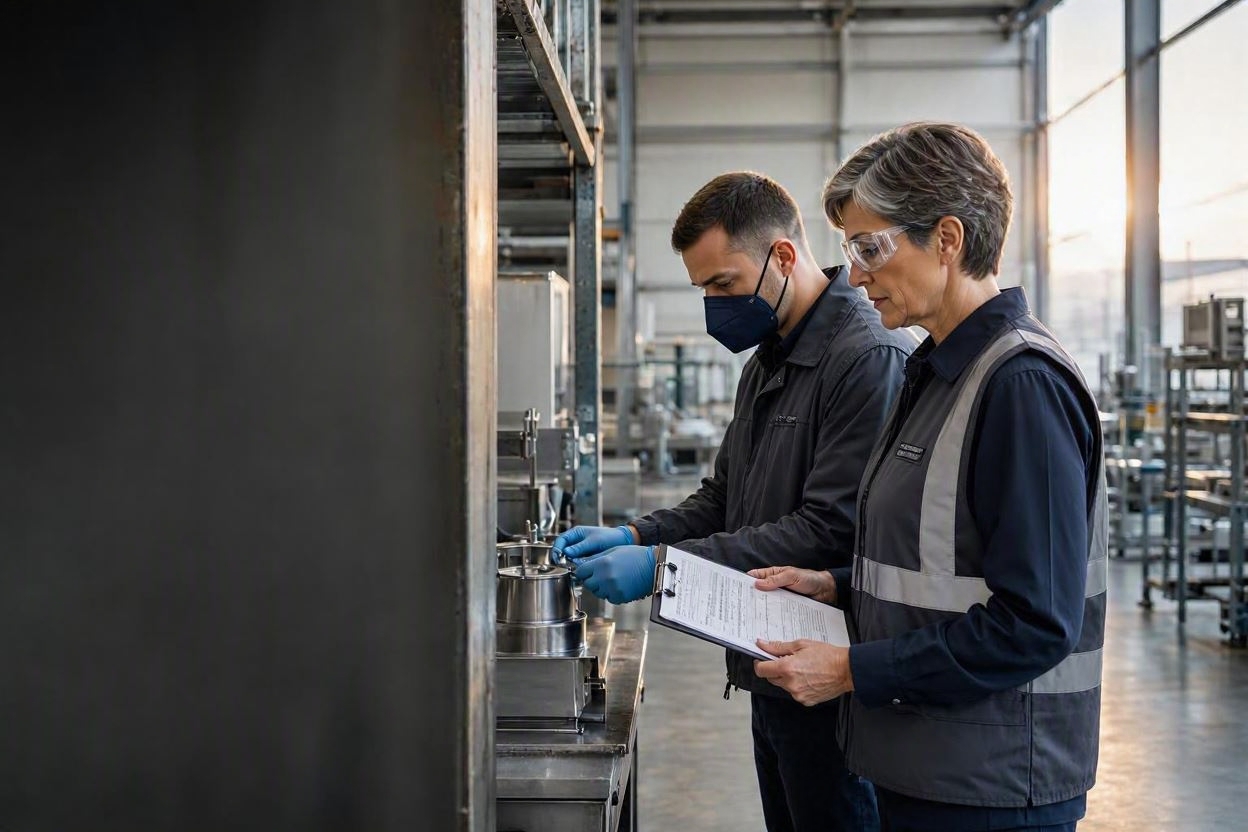
Safety data, manufacturer information and the task risk assessment can support selection of appropriate gloves, clothing, eye, face and respiratory protection.
Match PPE to Hot Work Hazards
Welding, cutting and grinding can expose workers to sparks, radiation, hot material, fumes and other hazards.
Hot-work PPE should be selected according to the task and should complement atmospheric testing, isolation, ignition control, ventilation and fire-prevention measures.
PPE does not make hot work safe in an uncontrolled flammable atmosphere.
Integrate PPE With Confined Space Controls
Confined space hazards can include toxic gases, oxygen deficiency, flammable atmospheres, chemicals, mechanical hazards and restricted rescue access.
PPE should be selected from the specific hazards identified during entry planning and atmospheric testing.
Protective equipment cannot compensate for inadequate isolation, ventilation, atmospheric monitoring or rescue planning.
Make Sure Multiple PPE Items Work Together
Oil and gas tasks can require several forms of PPE to be worn simultaneously.
A helmet, eye protection, hearing protection and respirator may each be suitable individually while interfering with one another when combined.
The complete PPE arrangement should therefore be evaluated for compatibility, fit, visibility, communication and freedom of movement.
Inspect PPE Before Use
Workers should inspect protective equipment before relying on it for protection.
Inspection should identify cracks, tears, contamination, damaged straps, worn components, defective fasteners, degraded seals or other conditions relevant to the equipment.
Defective PPE should be removed from service, repaired where permitted or replaced according to the applicable procedure and manufacturer guidance.
Clean, Store and Maintain PPE Correctly
PPE can become ineffective when it is poorly maintained, contaminated or stored in conditions that cause deterioration.
Cleaning and storage arrangements should reflect the equipment and contaminants involved and should follow applicable manufacturer instructions.
Reusable PPE should be maintained in a condition that allows it to provide the protection for which it was selected.
Train Workers to Use Oil and Gas PPE Correctly
Providing protective equipment does not ensure protection unless workers understand when and how to use it.
Training should address the hazards requiring PPE, correct use, fit, limitations, inspection, maintenance, storage and replacement.
Workers should also understand situations in which PPE is not sufficient and additional controls or different equipment are required.
Coordinate PPE Requirements With Contractors
Contractors may arrive with PPE selected under their own organizational requirements while working in an operating environment with site-specific hazards.
Before work begins, the operating organization and contractor should communicate relevant hazards and required protective equipment.
PPE requirements should also remain consistent with the task risk assessment and permit conditions where formal work authorization applies.
Reassess PPE When the Work Changes
The protective equipment selected at the beginning of a job may become inadequate when process conditions, materials, equipment or the work method changes.
Changes in atmospheric conditions are particularly important where respiratory or fire hazards are involved.
Work should be reassessed whenever significant changes create hazards outside the conditions considered during the original PPE selection.
A Practical Oil and Gas PPE Selection Process
Effective PPE management connects hazard assessment, equipment selection, correct use and continual verification.
Assess
Identify the hazards, exposure routes and remaining risks associated with the work.
Select
Choose protective equipment suitable for the hazard, user, task and operating environment.
Use
Ensure workers understand correct fitting, use, limitations and interaction with other PPE.
Maintain
Inspect, clean, store, replace and reassess PPE so protection remains effective throughout the work.
Common Oil and Gas PPE Mistakes
Using PPE as the Only Control
PPE cannot replace effective containment, isolation, ventilation, machine guarding and other higher-level hazard controls.
Wrong PPE for the Hazard
Protective equipment selected without understanding the actual exposure can provide inadequate or inappropriate protection.
Poor Inspection and Maintenance
Damaged, contaminated, poorly fitted or deteriorated PPE may fail to provide the protection expected by the worker.
Oil and Gas PPE Must Match the Hazard
Effective oil and gas PPE management starts with understanding the hazard rather than simply issuing a standard collection of safety equipment.
Protective equipment should be selected for the actual exposure, compatible with other equipment, correctly fitted, inspected and maintained, and supported by worker training.
Most importantly, PPE should remain part of a broader risk-control system rather than becoming a substitute for eliminating, isolating or engineering hazards out of the work.
Continue Your Oil & Gas Safety Learning
Explore IOSHQ resources covering personal protective equipment, hazardous atmospheres, fire safety, drilling hazards and practical oil and gas risk management.