Oil and Gas Safety Training: Building Competence for Safer Operations
Oil and gas safety training develops the knowledge, practical skills and competence personnel need to recognize hazards, follow critical procedures, control high-risk work and respond effectively when operating conditions change.
What Is Oil and Gas Safety Training?
Oil and gas safety training is the structured development of safety knowledge and practical capability for personnel involved in drilling, production, processing, maintenance, construction, logistics and related operations.
Training should prepare workers for the hazards and responsibilities associated with their actual roles rather than simply provide general safety information.
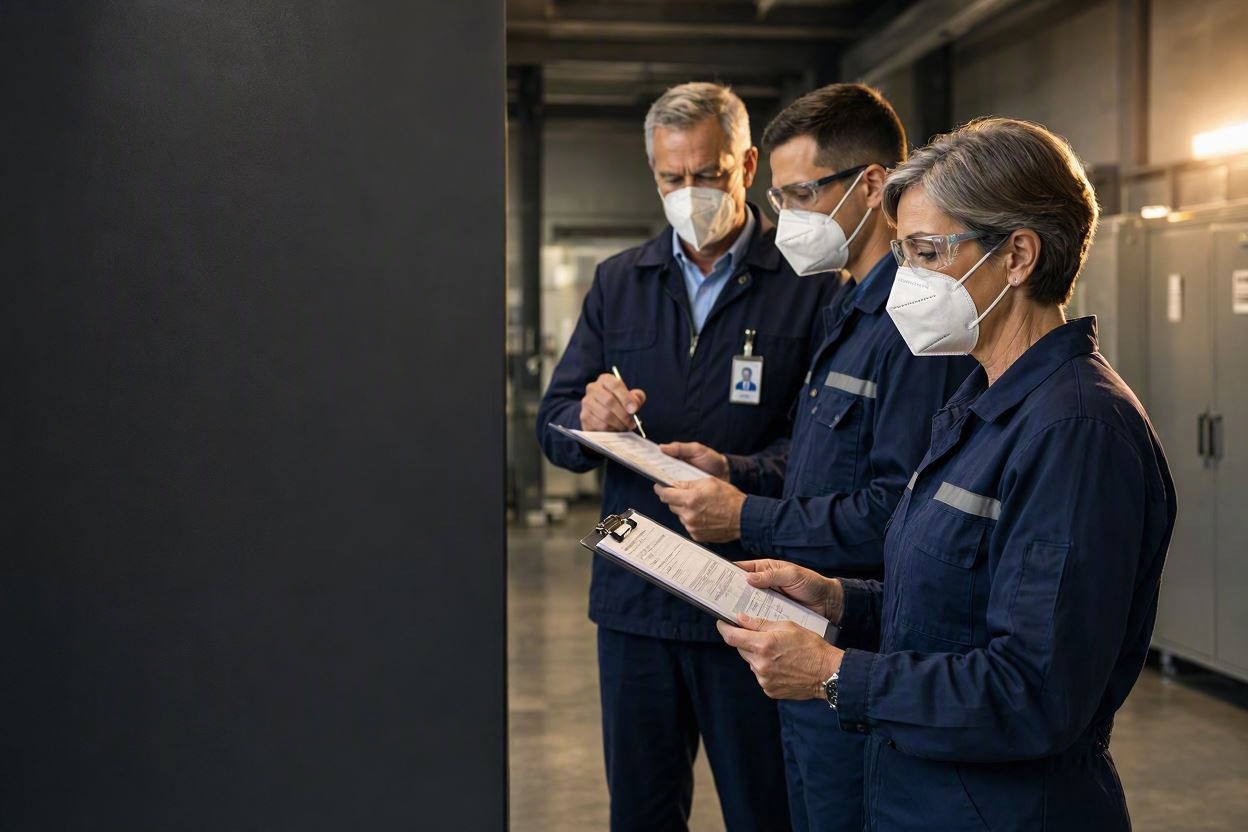
Effective training also supports competence by combining instruction with practice, supervision, assessment and workplace experience appropriate to the task.
Base Oil and Gas Safety Training on Risk
Training needs should reflect the hazards, equipment, tasks and responsibilities workers encounter in their jobs.
Personnel performing routine low-risk activities may require different preparation from workers responsible for well control, hazardous energy isolation, confined space entry, lifting or emergency response.
A risk-based approach helps organizations focus training resources on the knowledge and skills most important to safe performance.
Build Training Around Oil and Gas Hazards
Personnel should understand the significant hazards associated with their work environment and how those hazards can affect people, equipment and operations.
Process Hazards
Training can address hydrocarbon releases, pressure, fire, explosion, hazardous gases and the safeguards used to prevent escalation.
Occupational Hazards
Workers may require training for machinery, lifting, work at height, electrical hazards, hazardous energy and other task exposures.
Emergency Hazards
Personnel should understand alarms, evacuation, hazardous releases and the emergency actions associated with their roles.
Provide Site-Specific Safety Orientation
General oil and gas experience does not automatically make a worker familiar with the hazards of a particular facility or wellsite.
Site orientation should communicate relevant hazards, access restrictions, alarms, emergency arrangements, reporting expectations and essential local safety requirements.
Orientation should complement task-specific competence rather than being treated as sufficient preparation for specialized work.
Train Workers to Recognize Changing Hazards
Oil and gas operations can change quickly as equipment, well conditions, process status, weather and simultaneous activities change.
Workers should be able to identify when the conditions assumed during the original risk assessment no longer apply.
Training should reinforce the need to stop, communicate and reassess the work when significant changes introduce new or different hazards.
Develop Practical Job Safety Analysis Skills
Workers and supervisors should understand how to break work into meaningful steps, identify hazards and establish controls appropriate to the actual task.
Job safety analysis is most useful when it reflects current work conditions rather than becoming a generic document reused without field verification.
Training should help personnel participate actively in risk assessment instead of treating it only as a supervisory or administrative responsibility.
Include Process Safety in Oil and Gas Safety Training
Personal safety and process safety address related but different types of risk. Workers should understand how their actions can affect containment, process barriers and major-hazard prevention.
Training should reinforce the importance of operating procedures, process limits, equipment integrity, abnormal-condition reporting and protection of safety-critical barriers.
Personnel should understand that apparently small deviations can become significant when they weaken systems designed to prevent hazardous releases.
Provide Role-Specific Drilling Safety Training
Drilling operations can expose personnel to moving machinery, tubular handling, suspended loads, high pressure, work at height, hazardous gases and well-control hazards.
Training should correspond with the worker’s actual responsibilities and the equipment and operations they may influence.
Personnel whose actions can affect well control require appropriate role-based knowledge, skills and assessment for those responsibilities.
Train Personnel for Permit to Work Responsibilities
Personnel involved in issuing, accepting, supervising or performing permit-controlled work should understand their responsibilities within the work-authorization system.
Training should address hazard verification, permit conditions, isolations, communication, suspension, handover and work closeout as applicable to the role.
A permit system depends on competent decisions in the field and should not be reduced to form completion.
Train Workers for Energy Isolation and LOTO
Personnel involved in servicing and maintenance should understand the hazardous energy sources associated with the equipment they work on.
Training should address shutdown, isolation, lockout or other personal protection, stored-energy control, verification and safe restoration according to assigned responsibilities.
Workers should understand that stopping equipment through normal controls does not necessarily isolate hazardous energy.
Prepare Personnel for Hot Work Hazards
Hot work can introduce ignition sources into environments where flammable gases, vapors or liquids may be present.
Relevant personnel should understand work authorization, gas testing, isolation, combustible control, fire watch responsibilities and required responses when conditions change.
Training should reinforce that protective clothing and fire equipment do not make uncontrolled hot work acceptable.
Train Confined Space Teams for Their Assigned Roles
Confined space entry can involve hazardous atmospheres, process energy, restricted access and difficult rescue conditions.
Entrants, attendants, supervisors, gas testers and rescue personnel should understand the responsibilities and controls relevant to their roles.
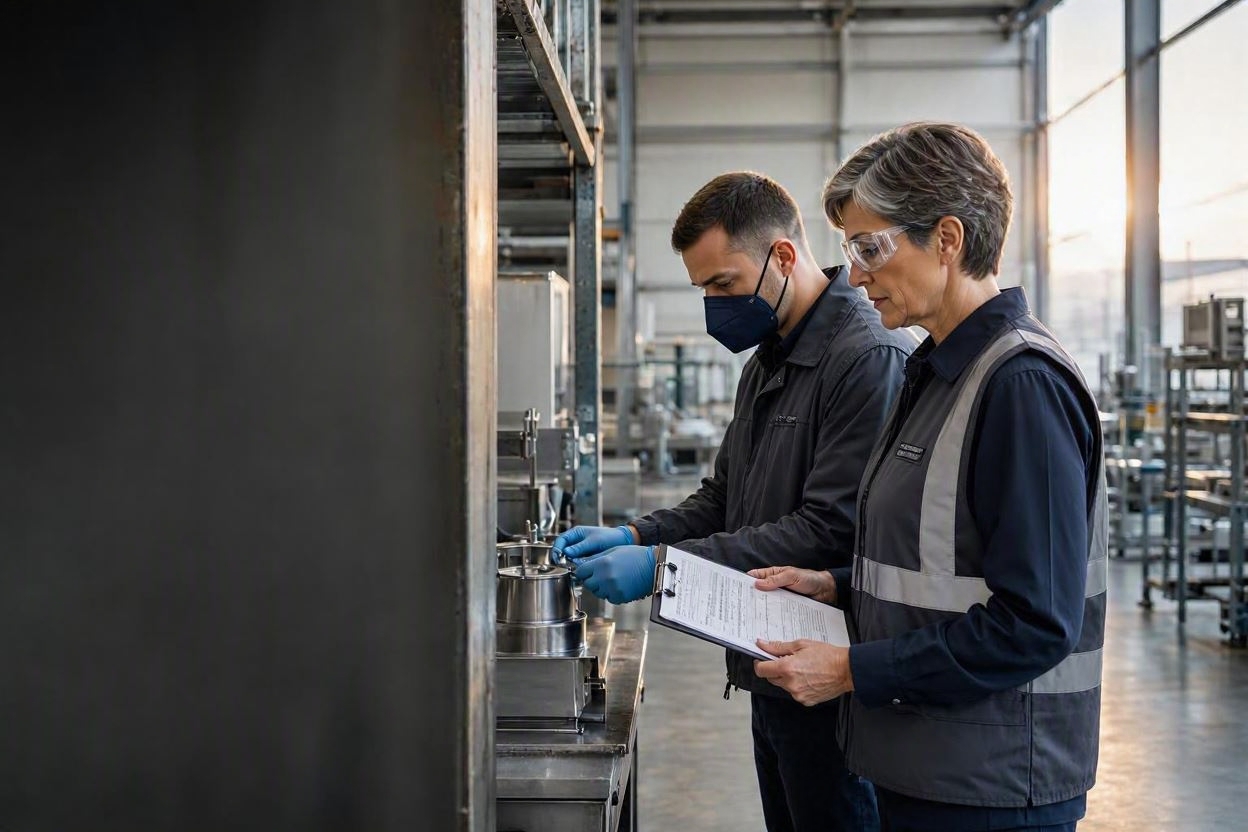
Training should be supported by practical exercises where workers need to demonstrate equipment use or emergency actions.
Train Workers for Gas Detection and H2S Hazards
Personnel who may encounter hazardous atmospheres should understand relevant gas hazards, alarm responses and the limitations of detection equipment.
Workers using portable or personal gas detectors should know how the equipment is checked, used and interpreted within the site’s monitoring arrangements.
Where hydrogen sulfide is credible, personnel should understand that smell cannot be relied upon as a warning method and should follow established detection and emergency procedures.
Develop Competence for Oil and Gas Lifting Operations
Lifting operations require competence appropriate to each person’s responsibilities, including planning, rigging, signaling, supervision and equipment operation.
Training should address load hazards, exclusion zones, communication, equipment limitations and the conditions that require a lift to be stopped.
Practical assessment is important for roles where safe performance depends on correctly applying skills rather than recalling information alone.
Train Workers to Use PPE Correctly
Workers should understand why specific protective equipment is required, how to use it correctly and what limitations apply.
Training can address fitting, inspection, maintenance, storage and compatibility where multiple types of PPE are worn together.
Personnel should also understand that PPE is one layer of protection and does not replace effective engineering, isolation and work-practice controls.
Practice Emergency Actions Before They Are Needed
Personnel should know what to do when alarms activate, hazardous gas is detected, fire occurs or another emergency disrupts normal operations.
Training should cover reporting, evacuation, assembly and any specialized emergency responsibilities assigned to the worker.
Drills and practical exercises can help verify whether workers can apply emergency procedures under realistic conditions.
Include Contractors in Oil and Gas Safety Training
Contractors should receive the safety information and preparation required for the hazards and responsibilities associated with their work.
Contractor competence should be considered during selection and verified as appropriate before specialized or high-risk work begins.
Site-specific orientation should address differences between contractor procedures and the operating organization’s work-control and emergency systems.
Combine Instruction With Practical Learning
Oil and gas safety training can use classroom instruction, digital learning, demonstrations, supervised practice, simulations, drills and structured workplace learning.
The method should reflect the learning objective. Knowledge-based subjects may be suitable for structured instruction, while equipment operation and emergency skills often require practical demonstration and assessment.
Training design should focus on whether personnel can perform the required role safely rather than simply whether they attended a course.
Distinguish Training From Competence
Training provides knowledge and develops skills, but course completion alone does not necessarily demonstrate workplace competence.
Competence also depends on the ability to apply knowledge and skills correctly under the conditions associated with the person’s role.
For safety-critical work, organizations should establish suitable methods for assessing whether personnel can perform their assigned responsibilities to the required standard.
Verify Learning Through Appropriate Assessment
Assessment should reflect what the worker is expected to know or do.
Written or digital assessments can evaluate knowledge, while demonstrations, simulations and workplace observations may be more suitable for practical skills.
Where a role can materially influence major-hazard prevention or high-risk work, assessment should be sufficiently robust to identify gaps before independent task performance.
Use Supervised Experience to Build Capability
New or developing workers may require supervised workplace experience before they can perform particular tasks independently.
Supervision allows personnel to apply training under real operating conditions while receiving guidance from appropriately competent workers or supervisors.
The transition to independent work should reflect demonstrated capability rather than time served alone.
Refresh Training When Knowledge or Conditions Change
Training needs should be reviewed periodically and when circumstances indicate that additional learning is necessary.
Triggers can include new equipment, revised procedures, changes in responsibility, incidents, recurring inspection findings or evidence that critical knowledge or skills have deteriorated.
Refresher training should address the identified need rather than simply repeat material without considering actual performance gaps.
Use Incidents and Near Misses to Improve Training
Incident investigations can identify knowledge, skill, communication or procedural weaknesses that should be addressed through training or other corrective actions.
Training should not automatically be prescribed for every incident. Organizations should first determine whether a competence gap actually contributed to the event.
Relevant lessons can then be incorporated into training, toolbox discussions, procedures and practical exercises.
Maintain Useful Training and Competence Records
Training records should allow the organization to determine which personnel have completed required learning and where additional development may be necessary.
Records can also support role assignment, refresher planning and verification of competence requirements for specialized work.
Recordkeeping should support the competence system rather than becoming the primary objective of the training program.
Evaluate Whether Safety Training Changes Performance
Training effectiveness should be evaluated by more than attendance or assessment completion.
Organizations can examine field observations, work quality, inspection findings, incident information, supervisor feedback and other evidence relevant to the learning objective.
Where workers continue to struggle after training, the organization should consider whether the issue involves training quality, supervision, procedures, equipment, workload or another system factor.
A Practical Oil and Gas Safety Training Framework
Effective oil and gas safety training connects role requirements, practical learning, competence verification and continual development.
Identify
Determine the hazards, responsibilities, knowledge and practical skills required for each role.
Train
Use learning methods appropriate to the subject, worker and level of practical capability required.
Verify
Assess whether personnel can demonstrate the knowledge and skills required for their responsibilities.
Develop
Maintain competence through supervision, experience, refresher learning and lessons from operational performance.
Common Oil and Gas Safety Training Mistakes
Equating Attendance With Competence
Completing training does not automatically demonstrate that a worker can safely perform a practical or safety-critical task.
Generic Training
Training that is disconnected from actual equipment, hazards and responsibilities may provide limited support for workplace performance.
No Follow-Up
Skills and knowledge can deteriorate or become outdated when organizations do not reassess competence as work and operating conditions change.
Oil and Gas Safety Training Should Build Demonstrable Competence
Effective oil and gas safety training is role-specific, risk-based and connected to the work personnel actually perform. It should develop understanding of hazards while also preparing workers to apply procedures, use equipment and respond appropriately when conditions change.
Training becomes more valuable when organizations verify learning through suitable assessment, supervised practice and workplace performance rather than relying only on course attendance.
Explore Oil & Gas Safety Learning
Continue with IOSHQ resources covering drilling, process safety, emergency response, high-risk work and professional development for oil and gas safety personnel.