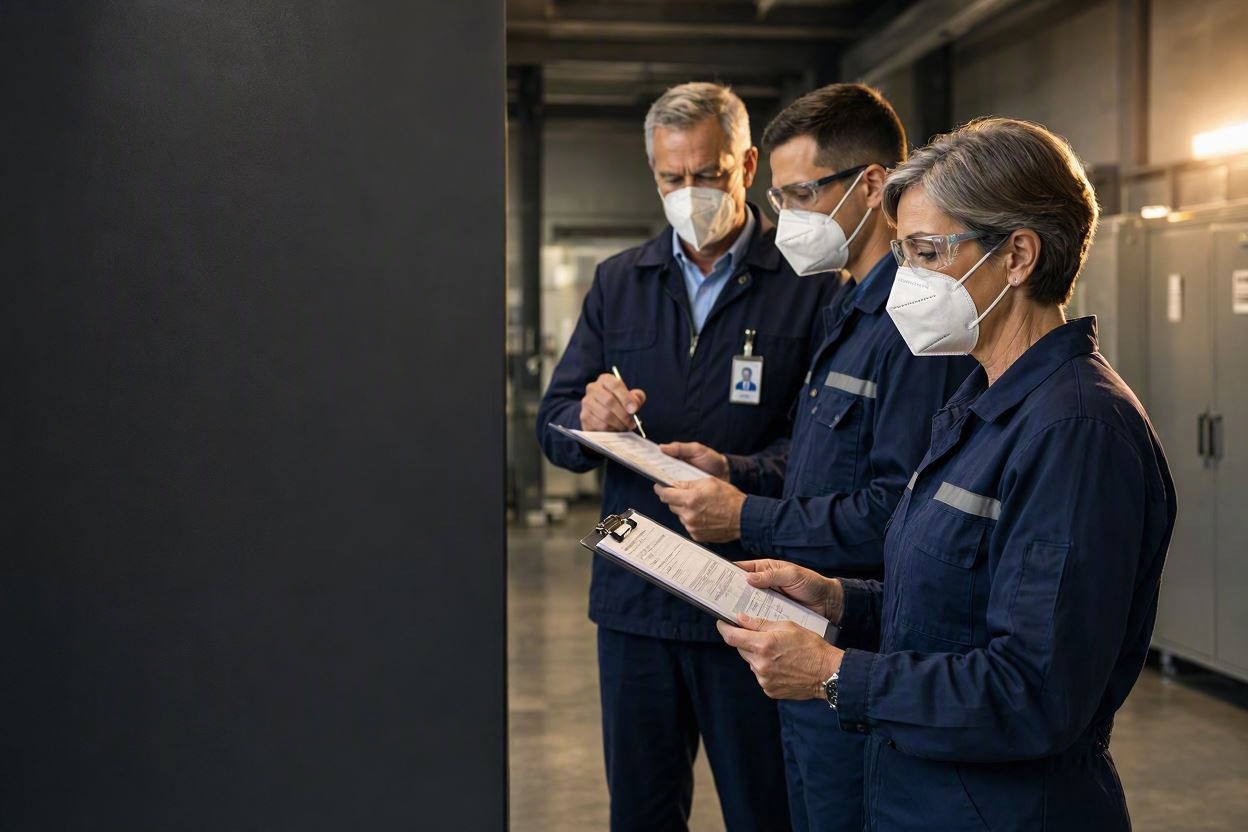
Oil and Gas Fire and Explosion Safety: A Practical Prevention Guide
Oil and gas fire safety requires systematic prevention of hydrocarbon releases, effective control of ignition sources, reliable detection and protection systems, and emergency arrangements capable of responding when preventive safeguards fail.
Understanding Oil and Gas Fire Safety
Oil and gas operations can involve flammable gases, vapors and liquids under conditions where an uncontrolled release may create a serious fire or explosion hazard.
Effective oil and gas fire safety begins before ignition occurs. The primary objectives are to keep hydrocarbons contained, prevent hazardous releases, control potential ignition sources and maintain safeguards that can detect, isolate or mitigate abnormal conditions.
Fire protection and emergency response remain essential, but they form part of a broader prevention strategy rather than replacing effective process safety.
Understand How Oil and Gas Fires Develop
Fire requires a combustible material, an oxidizing atmosphere and a sufficient ignition source. Oil and gas operations can provide all three when hydrocarbons are released into the surrounding environment.
Fuel
Crude oil, natural gas, condensate, petroleum products and hydrocarbon vapors can provide combustible material.
Oxygen
Released hydrocarbons can mix with surrounding air and, under suitable conditions, form a flammable atmosphere.
Ignition
Hot work, electrical equipment, static electricity, hot surfaces, engines and other sources can provide sufficient energy for ignition.
Prevent Loss of Hydrocarbon Containment
A major fire or explosion frequently begins with an unintended release of flammable material. Preventing loss of containment is therefore a fundamental fire-prevention strategy.
Piping, vessels, tanks, valves, seals, connections and other hydrocarbon-containing equipment should be designed, operated, inspected and maintained for their intended service.
Corrosion, overpressure, mechanical damage, seal failure and operating deviations should be managed before they develop into significant releases.
Identify Fire and Explosion Scenarios
Fire and explosion hazard identification should consider where flammable materials are present, how they could escape and what could ignite a release.
Potential scenarios can include leaks from process equipment, tank releases, line failures, well-control events, maintenance activities and abnormal operating conditions.
The assessment should also consider escalation, including whether one event could affect nearby equipment and create additional releases.
Control Ignition Sources
Preventing ignition can reduce the likelihood that a flammable release develops into a fire or explosion.
Potential ignition sources include flames, welding and cutting, electrical equipment, hot surfaces, static discharge, internal-combustion engines, smoking materials and friction-generated heat.
Ignition-source controls should reflect the hazardous-area classification, operating conditions, work activities and credible release scenarios at the facility.
Control Hot Work Near Hydrocarbon Systems
Welding, cutting, grinding and similar activities can introduce powerful ignition sources into areas where flammable gases or vapors may be present.
Hot work should be assessed, authorized and controlled according to the hazards and applicable work-control system.
Relevant precautions can include process isolation, equipment preparation, atmospheric testing, removal of combustible materials, fire protection and monitoring for changing conditions.
Detect Flammable Gas and Vapor Releases
Flammable gas detection can provide early warning when hydrocarbons escape containment and create potentially dangerous atmospheric conditions.
Depending on the facility and risk profile, detection arrangements may include fixed systems, portable instruments, personal monitors or combinations of these approaches.
Detector selection and placement should reflect credible release locations, ventilation, gas behavior and the areas requiring protection.
Manage the Accumulation of Flammable Atmospheres
Ventilation can influence whether released gases and vapors disperse or accumulate to hazardous concentrations.
Enclosed and poorly ventilated areas require particular attention because flammable material may accumulate when dispersion is limited.
Ventilation should complement containment, detection and release prevention rather than become the only control against hydrocarbon hazards.
Use Equipment Suitable for Hazardous Locations
Areas where flammable gases or vapors may occur require careful control of electrical and other potential ignition-producing equipment.
Hazardous-area classification provides a structured basis for determining where special equipment or installation requirements apply.
Equipment should remain suitable for its designated environment throughout its service life, including after maintenance or modification.
Control Static Ignition Hazards
Static electricity can become an ignition source during certain transfer, loading, cleaning and process activities involving flammable materials.
Where static discharge is credible, suitable bonding, grounding or other controls should be applied according to the process, equipment and applicable technical requirements.
Workers should understand that ignition sources are not limited to visible flames or electrical sparks.
Limit the Material Available to Feed a Fire
Rapid isolation can help limit the quantity of hydrocarbon released during an abnormal event.
Process design and operating arrangements may incorporate isolation valves, shutdown systems and other measures intended to separate affected equipment from larger inventories.
Safety-critical isolation systems should be maintained and tested according to their intended function and applicable requirements.
Understand the Role of Emergency Shutdown Systems
Emergency shutdown systems can help place process equipment into a safer condition when serious abnormal conditions are detected.
The exact shutdown philosophy depends on facility design and process hazards, but the system may isolate equipment, stop machinery or initiate other protective actions.
Personnel should understand their responsibilities and should not bypass or defeat safety-critical shutdown functions without appropriate control and authorization.
Maintain Effective Fire and Gas Detection
Fire and gas detection systems can provide critical early warning and initiate alarms or protective actions according to the facility design.
Detection equipment should be appropriately located, inspected, tested and maintained so that it remains capable of performing its intended function.
Alarm response should be clearly defined so workers understand what action is required when a detector activates.
Maintain Active and Passive Fire Protection
Oil and gas facilities may use a combination of active and passive fire-protection measures based on the hazards and facility design.
Active systems can include water-based, foam or other suppression arrangements, while passive protection can help structures and safety-critical equipment withstand fire exposure for a defined period.
Protection systems should be inspected, tested and maintained so they remain available when required.
Prevent Fire Escalation to Nearby Equipment
A fire affecting one item of equipment can heat or damage nearby systems, potentially causing further loss of containment and escalation.
Facility layout, separation, isolation, fire protection and emergency depressurization can contribute to reducing escalation risk where appropriate to the installation.
Fire and explosion assessment should therefore consider the potential consequences beyond the original release point.
Maintain Safety-Critical Fire Protection Equipment
Detection, shutdown, isolation and fire-protection equipment can deteriorate or become unavailable if inspection and maintenance are inadequate.
Maintenance programs should identify safety-critical functions and establish appropriate inspection, testing and corrective-action requirements.
Known impairment of important protection systems should be evaluated and managed rather than accepted as routine operating condition.
Integrate Fire Safety With Work Control
Maintenance and non-routine work can temporarily introduce ignition sources, open hydrocarbon systems or alter normal safeguards.
The permit to work process should identify relevant fire and explosion hazards and coordinate required isolation, gas testing, ignition control and other precautions.
Work should stop when process or atmospheric conditions move outside the criteria established by the authorization.
Control Hazardous Energy During Maintenance
Maintenance on process equipment can create fire hazards when isolation is incomplete or residual hydrocarbons remain inside equipment.
Electrical, mechanical and process energy should be controlled according to the task and applicable procedures before workers open or service equipment.
Isolation should be verified rather than assumed from normal shutdown indications.
Control Fire Risk During Simultaneous Operations
Multiple activities occurring in the same operating area can create interactions that are not obvious when each task is considered independently.
One work group may release flammable material while another introduces an ignition source, or one activity may affect an isolation or protection system required by another.
Work coordination should identify these interactions before incompatible activities are allowed to proceed together.
Consider H2S as Both a Toxic and Flammable Hazard
Hydrogen sulfide requires particular attention because it presents serious toxicity hazards and is also flammable.
Operations involving sour gas should integrate atmospheric monitoring, exposure control and emergency arrangements with the facility’s broader fire and explosion strategy.
Workers should never rely on odor as the means of identifying a hazardous H2S release.
Prepare for Oil and Gas Fire Emergencies
Facilities should establish emergency arrangements based on credible fire, explosion and hazardous-release scenarios.
Plans should address alarms, communication, evacuation, muster, emergency shutdown, firefighting responsibilities, medical response and coordination with external emergency services where relevant.
Workers should understand what actions are expected of them and should not attempt emergency tasks for which they are not trained and equipped.
Maintain Clear Emergency Escape Arrangements
Fire, smoke, heat and hazardous gas can make normal access routes unusable during an emergency.
Facilities should identify appropriate escape routes, assembly locations and alternative arrangements where credible scenarios could block normal evacuation paths.
Routes and emergency equipment should remain accessible during normal operations, maintenance and temporary work.
Train Workers for Fire and Explosion Hazards
Personnel should understand the fire and explosion hazards relevant to their work areas and assigned responsibilities.
Training should address alarms, ignition control, gas hazards, evacuation, emergency actions and any specialized fire-response duties assigned to the worker.
Emergency drills can help verify whether procedures, communication and personnel readiness function as intended.
Learn From Releases, Fires and Near Misses
Small releases, unexpected gas detections, ignition events and failures of fire-protection systems can reveal weaknesses before a major event occurs.
Investigation should examine technical, operational and organizational causes rather than stopping at the immediate actions of individual workers.
Lessons should be translated into corrective actions and considered across other equipment or locations where similar hazards exist.
A Practical Oil and Gas Fire Safety Framework
Effective fire and explosion safety combines prevention, detection, protection and emergency preparedness.
Prevent Release
Maintain hydrocarbon containment through sound design, operation, inspection and equipment integrity.
Prevent Ignition
Identify and control potential ignition sources wherever flammable material could be released.
Detect & Protect
Maintain detection, shutdown, isolation and fire-protection systems appropriate to the facility hazards.
Respond
Prepare workers and emergency systems to respond effectively when preventive safeguards fail.
Common Oil and Gas Fire Safety Mistakes
Focusing Only on Firefighting
Emergency suppression cannot replace prevention of hydrocarbon releases and effective ignition control.
Accepting Small Leaks
Repeated or apparently minor loss of containment can indicate equipment or process weaknesses that require attention.
Unavailable Safeguards
Detection, shutdown and fire-protection systems cannot provide their intended protection when impaired or poorly maintained.
Oil and Gas Fire Safety Begins With Prevention
Effective oil and gas fire safety starts by preventing loss of containment and controlling ignition sources. Detection, shutdown, isolation and fire-protection systems then provide additional layers of protection if abnormal conditions develop.
Emergency response remains essential, but the strongest fire and explosion strategy is one that systematically reduces the likelihood that a hazardous release will escalate into a major event.
Continue Your Oil & Gas Safety Learning
Explore IOSHQ resources covering fire and explosion prevention, process safety, hazardous atmospheres and petroleum industry risk management.