Oil and Gas Safety Inspections: A Practical Guide to Workplace Verification
Oil and gas safety inspections help organizations identify hazardous conditions, verify critical safeguards, examine equipment and work practices, and correct weaknesses before they contribute to injuries, releases or major operational events.
What Are Oil and Gas Safety Inspections?
Oil and gas safety inspections are structured workplace examinations used to identify hazards and determine whether required controls are present, suitable and functioning as intended.
Inspections can cover drilling rigs, production facilities, process areas, workshops, storage locations, lifting equipment, emergency systems and other operational areas.
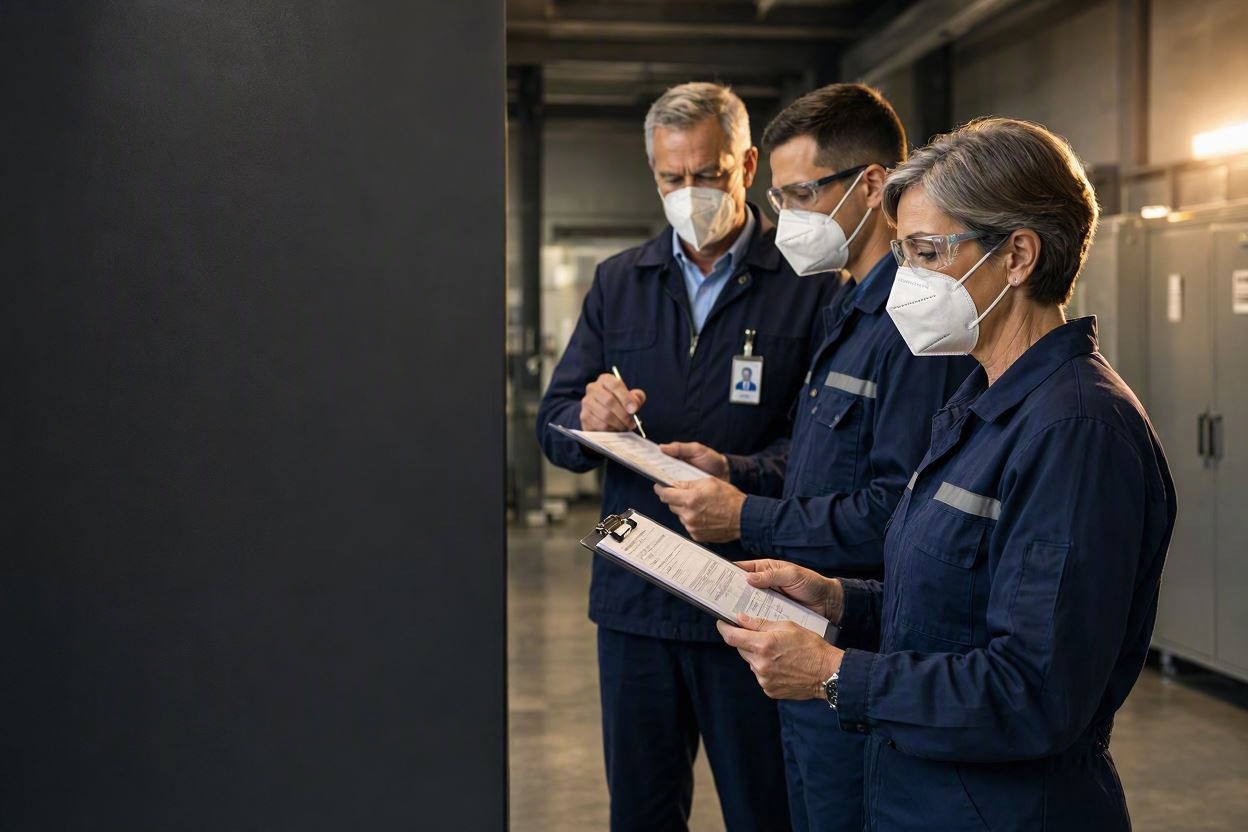
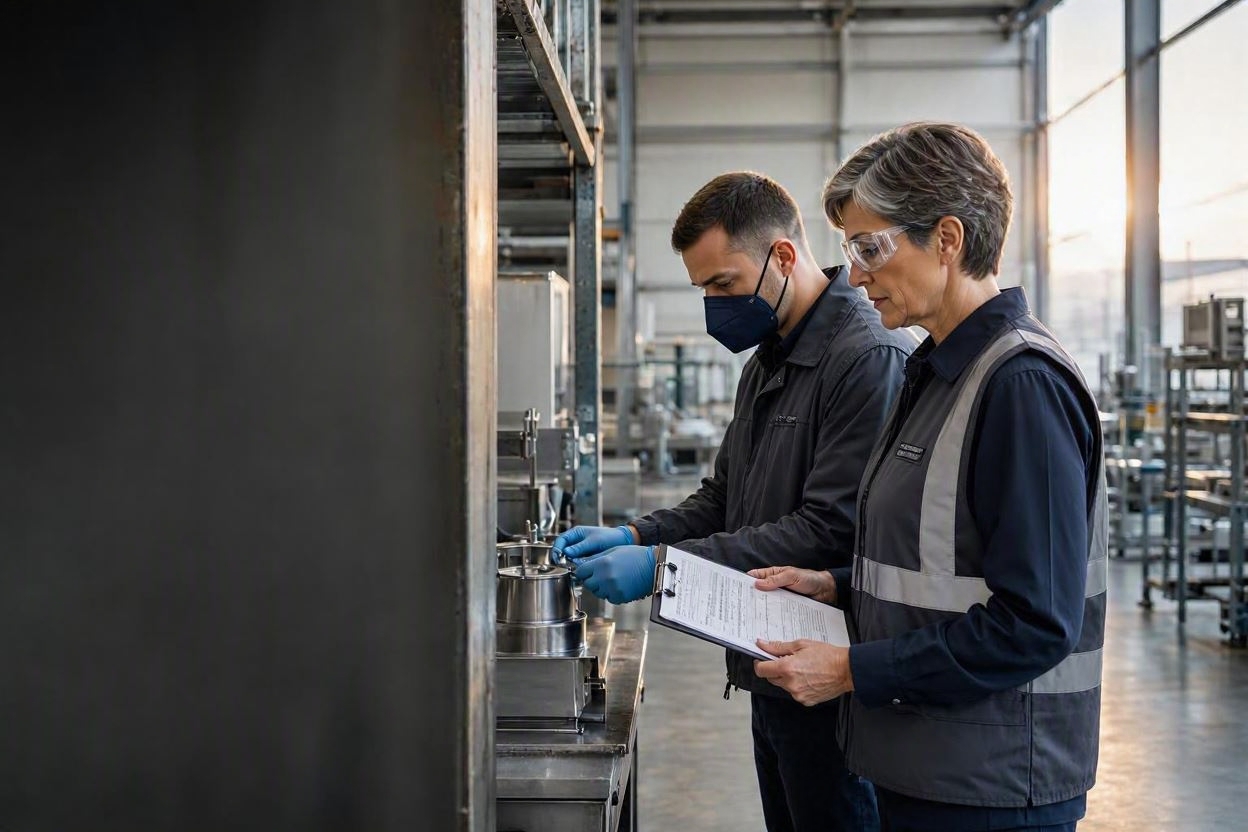
An effective inspection goes beyond checking documentation. Inspectors should observe actual conditions, equipment and work practices in the field and verify whether established safety arrangements are being implemented.
Why Oil and Gas Safety Inspections Matter
Regular inspections provide a structured opportunity to detect deteriorating conditions, unsafe practices and control failures before they contribute to an incident.
Identify Hazards
Inspections can reveal leaks, damaged equipment, poor housekeeping, unsafe access, missing guards and other hazardous conditions.
Verify Controls
Inspectors can determine whether safeguards such as isolation, gas detection, guarding and fire protection are available and effective.
Drive Action
Inspection findings provide a basis for corrective action, follow-up and improvement of workplace safety conditions.
Use a Risk-Based Inspection Program
Inspection frequency and scope should reflect the hazards, operating conditions and potential consequences associated with the area or equipment being inspected.
Higher-risk equipment and activities may require more frequent or specialized inspection than lower-risk areas.
Inspection programs should also consider equipment history, incidents, near misses, operational changes and previous findings when determining where additional attention is required.
Prepare Before Entering the Work Area
Inspectors should understand the area, activities and significant hazards before beginning the field inspection.
Preparation can include reviewing previous findings, relevant procedures, current work permits, incident information and known equipment issues.
The inspector should also use PPE and any other protective arrangements appropriate to the operating environment being inspected.
Inspect Actual Conditions, Not Only Documents
Written procedures and completed records do not by themselves demonstrate that controls are functioning in the workplace.
Inspectors should compare documented expectations with actual equipment condition, worker practices and operating arrangements.
Field verification can identify differences between how work is intended to be performed and how it is actually being performed.
Inspect Hydrocarbon-Containing Equipment
Piping, vessels, tanks, valves, connections and other process equipment should be observed for conditions that could affect containment or safe operation.
Inspection attention can include visible leakage, corrosion, physical damage, abnormal vibration, deteriorated supports and other signs requiring further technical evaluation.
Safety inspections do not replace specialized mechanical-integrity inspection, but they can identify visible conditions that require escalation.
Inspect Drilling Rig Safety Conditions
Drilling rig inspections can examine the rig floor, access systems, machine guarding, tubular handling, lifting arrangements, pressure systems and general equipment condition.
Attention should also be given to line-of-fire exposure, dropped-object hazards, work at height, housekeeping and emergency arrangements.
Inspection scope should reflect the rig design, current operation and hazards associated with the work being performed.
Inspect Access, Walking Surfaces and Housekeeping
Oil, mud, hoses, cables, tools and stored materials can create slip, trip, access and emergency-egress hazards.
Inspections should consider whether walkways, stairs, platforms and emergency routes remain clear and suitable for safe movement.
Recurring housekeeping problems can indicate weaknesses in work planning, equipment condition or supervisory control rather than isolated worker behavior.
Inspect Guards and Moving Equipment
Rotating shafts, belts, couplings, drives and other moving equipment can create entanglement, crushing and caught-in hazards.
Inspectors should check whether required guards are present, correctly positioned and in serviceable condition.
Missing or defeated protective devices should be addressed according to the seriousness of the exposure rather than left for routine administrative closeout.
Inspect Lifting Equipment and Work Areas
Lifting inspections can include cranes, hoists, slings, shackles, hooks and other lifting accessories relevant to the operation.
Inspectors should also consider exclusion zones, load paths, equipment condition, identification, storage and whether lifting practices expose personnel to suspended loads.
Safety inspections should complement, not replace, required technical examinations and inspections of lifting equipment.
Inspect Fall-Protection Arrangements
Platforms, ladders, elevated structures and other work-at-height locations should be checked for conditions that could expose personnel to falls.
Guardrails, access systems, openings and personal fall-protection arrangements should be examined where relevant to the area.
Inspectors should also look for temporary conditions created by maintenance or construction that may have altered normal fall protection.
Inspect Electrical Equipment and Temporary Installations
Electrical inspection should consider visible damage, unsuitable temporary arrangements, exposed components and other conditions that could create electrical or ignition hazards.
Equipment used in areas where flammable atmospheres may occur should remain suitable for the designated operating environment.
Defects requiring specialist evaluation should be referred to appropriately competent personnel rather than assessed beyond the inspector’s technical competence.
Inspect Fire and Explosion Safeguards
Fire-protection equipment, emergency access and ignition-control arrangements should be included where relevant to the inspection scope.
Inspectors can check whether fire equipment is accessible, obvious damage is present and work activities are creating uncontrolled ignition sources.
Inspection findings involving hydrocarbon containment, gas detection or fire-protection impairment should receive attention proportionate to their potential consequences.
Verify Gas Detection and Monitoring Arrangements
Where hazardous atmospheres are credible, inspections should consider whether required fixed, portable or personal gas-detection equipment is available and appropriately managed.
Relevant checks can include equipment condition, accessibility, testing status and whether personnel understand alarm responses.
Inspection activities themselves should never involve entering a potentially hazardous atmosphere without appropriate controls.
Verify High-Risk Work Controls in the Field
Inspections can verify whether permit-controlled work is being performed according to the conditions established by the authorization.
The inspector can compare the permit with actual worksite conditions, isolation status, gas-testing requirements, barriers and other required precautions.
A signed permit should not be treated as evidence that every field control remains effective.
Inspect Hazardous Energy Controls
Maintenance areas should be checked for conditions that could expose personnel to uncontrolled electrical, mechanical, hydraulic, pneumatic or process energy.
Where lockout, tagout or process isolation is being used, field inspection can verify whether the established isolation arrangements correspond with the work being performed.
Any concern about isolation integrity should be addressed before personnel continue work in the affected danger zone.
Verify PPE Selection and Use
Inspectors should observe whether protective equipment is appropriate to the hazards and being used as required during the work.
PPE condition, compatibility and task suitability can also be considered where relevant.
Repeated PPE problems may indicate a broader weakness in hazard assessment, supervision, availability or worker understanding.
Inspect Emergency Equipment and Escape Arrangements
Emergency routes, assembly information, alarms and response equipment should remain accessible and ready for their intended use.
Temporary work, stored materials or parked equipment should not compromise emergency access or evacuation arrangements.
Inspection findings involving emergency systems should be evaluated according to the potential impact on response capability.
Include Contractor Work in Safety Inspections
Contractor activities should be included within relevant inspection and assurance processes rather than treated as separate from site operations.
Inspection can verify whether contractors understand site requirements, comply with work controls and manage the hazards associated with their activities.
Where several organizations are working together, attention should also be given to interfaces and simultaneous operations.
Talk With Workers During Inspections
Workers who perform the job can provide valuable information about equipment condition, recurring problems and differences between written procedures and actual work.
Inspectors can ask how critical controls work, what hazards concern the team and whether recent changes have affected the task.
Worker engagement should support hazard identification and verification rather than turning every inspection into a search for individual fault.
Use Inspection Checklists Without Becoming Checklist-Dependent
Checklists can improve consistency and help ensure important inspection areas are not overlooked.
However, a checklist cannot predict every unsafe condition. Inspectors should remain alert to hazards outside the predefined questions and investigate unusual conditions they observe.
Inspection forms should support professional observation rather than reduce the process to completing boxes.
Document Inspection Findings Clearly
Inspection findings should contain enough information for responsible personnel to understand the condition, location and required follow-up.
Where appropriate, records can include observations, supporting evidence, assigned responsibility and target completion arrangements.
Clear records also help organizations identify recurring conditions and evaluate whether previous corrective actions have been effective.
Prioritize Findings According to Risk
Not every inspection finding presents the same level of risk.
Organizations should prioritize corrective action according to the hazard, potential consequences, likelihood of exposure and condition of existing safeguards.
Serious conditions requiring immediate control should not remain open simply because the normal administrative closeout period has not expired.
Act Immediately on Imminent or Serious Hazards
Some inspection findings require action before work can safely continue.
Depending on the condition, immediate controls may include stopping work, isolating equipment, restricting access or placing defective equipment out of service.
Temporary measures should not become permanent substitutes for correcting the underlying problem.
Close the Loop on Inspection Findings
Identifying a hazard is only the first part of the inspection process. Findings should be assigned, tracked and corrected according to their significance.
Completion should include appropriate verification that the corrective action actually addressed the condition rather than merely changing its administrative status.
Recurring findings should trigger deeper review because repetition can indicate that previous actions addressed symptoms rather than underlying causes.
Analyze Inspection Findings for Recurring Weaknesses
Individual inspection findings can reveal local hazards, while aggregated inspection information can reveal broader patterns.
Repeated findings involving leaks, housekeeping, isolation, guarding or other controls may indicate systemic weaknesses requiring management attention.
Trend analysis should support prevention and improvement rather than focusing only on the number of inspections completed.
Use Inspectors With Appropriate Knowledge
Inspectors should understand the hazards and operations they are expected to evaluate.
Specialized equipment and technical systems may require participation from personnel with relevant engineering, maintenance, process or occupational safety competence.
No single inspector should be expected to provide specialist technical judgment outside their competence.
A Practical Oil and Gas Safety Inspection Process
Effective oil and gas safety inspections connect preparation, field verification, corrective action and follow-up.
Prepare
Understand the area, hazards, previous findings and activities before beginning the inspection.
Inspect
Observe actual equipment, conditions, safeguards and work practices in the field.
Correct
Prioritize findings, control serious hazards and assign appropriate corrective actions.
Verify
Confirm actions are complete, evaluate recurring findings and use inspection information to improve risk controls.
Common Oil and Gas Safety Inspection Mistakes
Checklist-Only Inspections
Completing every checklist item does not guarantee that unusual or emerging hazards have been identified.
Document-Only Verification
Strong paperwork can conceal weaknesses when inspectors do not verify actual equipment condition and field implementation.
Weak Follow-Up
Repeatedly identifying the same hazard without effective corrective action reduces the value of the inspection program.
Oil and Gas Safety Inspections Must Verify Real Conditions
Effective oil and gas safety inspections focus on whether safeguards work in practice. Inspectors should examine equipment, observe work, engage personnel and compare actual conditions with the organization’s established controls.
The inspection process is complete only when significant findings are prioritized, corrected and verified. Trends and recurring weaknesses should then be used to strengthen the wider safety-management system.
Continue Your Oil & Gas Safety Learning
Explore IOSHQ resources covering field inspections, process safety, drilling hazards, contractor management and practical oil and gas risk control.